Residents living with Non-Communicable Diseases (NCDs) in Siaya County have renewed calls for improved healthcare services after convening a high-level consultative meeting with members of the county assembly and officials from the county’s Department of Health.
The meeting, organised under the umbrella of the Non-Communicable Diseases Kenya (NCDK) Siaya chapter, brought together key stakeholders to deliberate on persistent challenges affecting patients across the county.
This engagement comes as a follow-up to a petition presented by NCDK to the Siaya County Assembly slightly over two years ago, which highlighted systemic gaps in the management of non-communicable diseases.
The petition sought urgent intervention in critical areas, including the availability of essential drugs and the increased distribution of diagnostic and management equipment such as dialysis machines and blood pressure monitors across healthcare facilities in the region.
Patients and advocates say that despite the initial optimism following the submission of the petition, progress has been slow, leaving many individuals to grapple with limited access to life-saving services.
The consultative forum brought together members of the Assembly’s Health Committee including MCAs Fredrick Omoro and Rose Rabinya, alongside officials from the county’s health department and other stakeholders.
Also present was the Director of Non-Communicable Diseases in the county health department, Peter Omoth, who outlined ongoing efforts by the government to address the concerns raised in the petition.
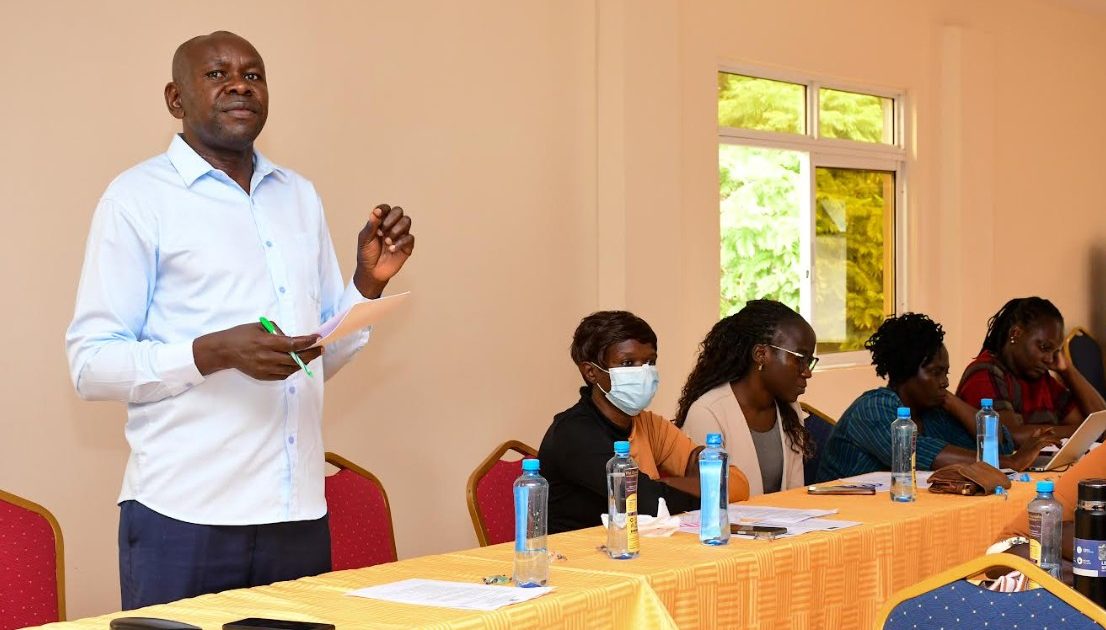
Speaking during the meeting, NCDK Siaya chapter chairperson Joel Ndeda emphasized that reviewing the challenges that stalled implementation of the petition was a key agenda of the discussions.
Ndeda noted that structured consultations between patients, policymakers, and implementers are essential in unlocking practical and sustainable solutions for those living with chronic illnesses.
He further observed that many patients continue to face barriers such as high treatment costs, long distances to equipped facilities, and inconsistent availability of medication.
According to Omoth, the Department of Health has already initiated measures aimed at improving NCD management, including scaling up public awareness campaigns and conducting regular community screenings.
He added that the department has also intensified engagement with lobby groups and partners to strengthen service delivery and mobilise resources for critical equipment.
Members of the County Assembly present at the meeting pledged to revisit the petition and push for actionable resolutions through the legislative framework to ensure that patient needs are prioritised.
Stakeholders expressed optimism that the renewed engagement signals a turning point, with sustained collaboration expected to accelerate the implementation of reforms and ultimately improve the quality of life for NCD patients across Siaya County.
By Calvin Otieno