Agricultural stakeholders have urged farmers in Busia County to embrace modern farming technologies, regenerative agriculture, and certified farm inputs to increase crop yields, reduce production costs, and improve food security.
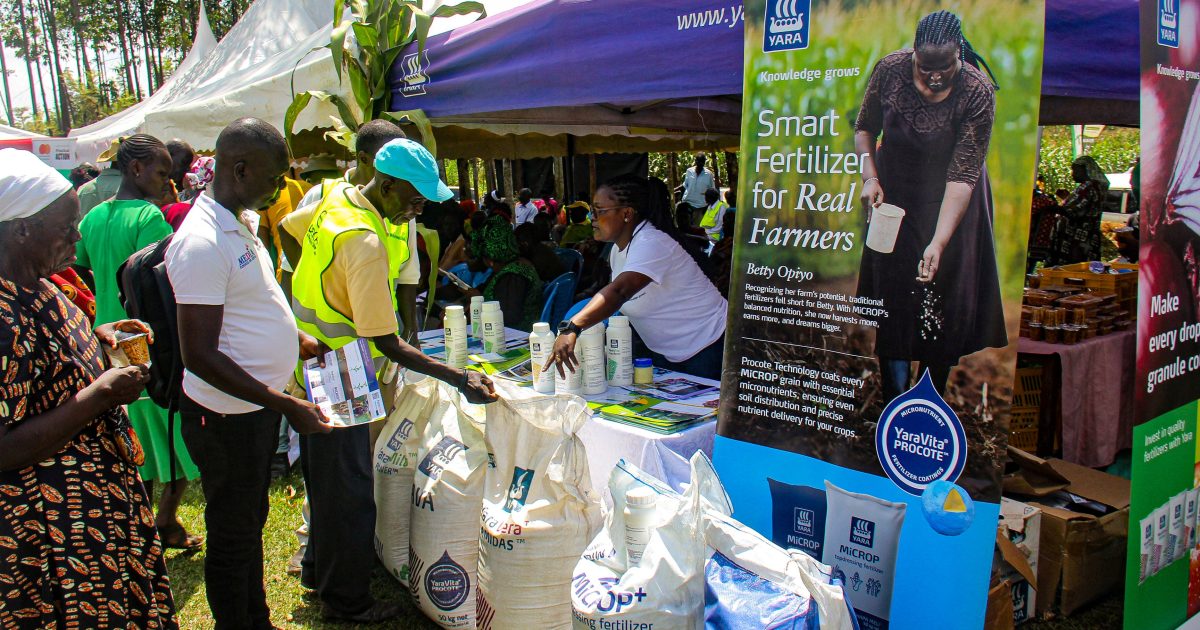
Speaking during the Busia Farmers Field Day at Nasira in Matayos Sub County on Tuesday, Yara East Africa agronomist Robinson Wandera said embracing the technology will maximize production.
“We are urging our farmers to consider regenerative agriculture and proper use of fertiliser. This system of agriculture ensures that the soil is not excessively disturbed while maintaining its fertility. We are also encouraging a combination of different technologies and use improved seed varieties adapted to their environment to increase productivity,” said Wandera.
Wandera observed that many farmers continue to record low yields because they apply fertilisers without understanding their soil type and the recommended fertiliser application rates.
“Many farmers have been using fertilisers without understanding the type of soil, proper timing, suitable fertiliser, and the right quantity. As a result, they experience low yields. There is a need to focus on the health of our soils so that they remain productive for a long period,” he added.
Cereal Growers Association representative Eliya Barasa emphasised that adopting modern technologies and conservation agriculture can significantly lower production costs while increasing farm output.
“Farmers need continuous sensitisation on proper farming methods that increase production while reducing the cost and time required for farming activities. Conservation agriculture improves soil fertility and ultimately leads to better yields,” he said.
Barasa further noted that post-harvest losses remain a major challenge for farmers in Busia County, denying them maximum returns from their investments.
He added that the association has established farmer service centres and rolled out post-harvest management training programmes across all sub-counties.
“We have launched post-harvest management programmes to train farmers on how to reduce losses before, during, and after harvesting. Farmers should embrace modern farming and post-harvest handling practices to protect their produce and improve profitability,” he said.
The official also cited shortage of tractor rippers in the county as a major obstacle to the adoption of conservation agriculture, noting that demand for the equipment exceeds supply during land preparation seasons.
“This type of farming requires tractor rippers, which are currently few in the county. During land preparation, demand is very high, forcing some farmers to seek less effective alternatives. We are urging the county government to increase the number of rippers to support farmers,” he said.
Busia County Agro-Dealers Association Secretary Andrew Netia raised concerns over the influx of illegal agro-products from the neighbouring country of Uganda, warning that counterfeit and unapproved farm inputs are causing losses to both farmers and legitimate agro-dealers.
“We have many illegal products entering the country from Uganda and being sold to farmers at lower prices without approval from the relevant authorities. This is causing losses to dealers and exposing farmers to harmful products that affect production,” he said.
Netia called for stronger collaboration among regulatory agencies, security officers, agro-dealers, and farmers to eliminate the sale of unauthorised products in the Kenyan market through increased awareness and enforcement.
“We need more sensitisation for all stakeholders so they can identify and report dealers selling unauthorised agro-products. Regulatory bodies should also strengthen enforcement measures because these products are causing significant losses to our farmers,” he added.
He further advised farmers to purchase farm inputs only from certified agro-dealer outlets licensed by the relevant authorities and staffed by qualified agronomists.
“As an association, we encourage farmers to source their products from certified outlets with the necessary approvals from regulatory bodies such as KEPHIS and the Pest Control Products Board and where qualified agronomists are available. This will help them avoid counterfeit products that compromise agricultural production,” he said.
by Salome Alwanda and Rodgers Omondi