Nut traders and farmers have renewed calls for the government to lift the ban on the export of unprocessed macadamia, arguing that the restriction has negatively affected the sector amid changing global market dynamics.
The Nut Traders Association of Kenya (NUTAK) has urged Agriculture Cabinet Secretary Mutahi Kagwe to suspend the ban, saying the current international trade challenges have significantly affected export opportunities and left thousands of tonnes of macadamia nuts unsold.
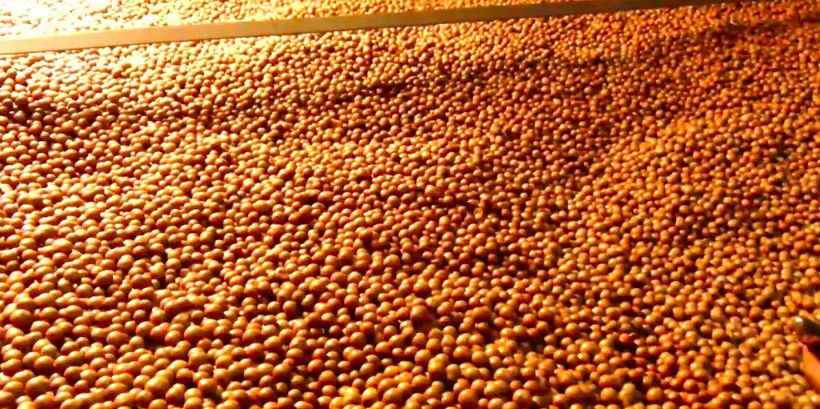
Speaking during a meeting in Sagana that brought together macadamia traders and farmers from seven Mt. Kenya region counties, NUTAK Chairman Johnson Kihara said the Ministry of Agriculture recently conducted an assessment in macadamia-growing regions and established that more than 18,000 tonnes of macadamia worth approximately Sh5 billion are currently lying in stores.
Kihara argued that Section 43 of the Agriculture and Food Authority Crops Regulations, enacted in 2013, has become an obstacle to the growth of the macadamia industry.
“We are asking the national government to suspend Section 43 for six months to allow for stakeholder consultations and open up international markets, especially in China and Russia, where demand for unprocessed macadamia remains high,” he said.
He called on political leaders to listen to the concerns of farmers, noting that macadamia prices have dropped drastically from about Sh150 per kilogram to as low as Sh50, exposing growers to exploitation by brokers and middlemen allegedly working on behalf of large processing companies.
NUTAK Secretary Eddy Mark Gitonga said the market for in-shell macadamia is significantly larger in China and Russia than in Europe and the United States.
Gitonga welcomed recent efforts by the government to strengthen trade ties with China, noting that the removal of tariffs on Kenyan agricultural exports could boost demand and improve prices for farmers.
“President William Ruto’s engagement with China resulted in the removal of tariffs on agricultural exports. This presents an opportunity for Kenyan macadamia farmers to access a larger market and earn better returns,” he said.
Farmers also expressed dissatisfaction with lawmakers, accusing Parliament of failing to protect their interests. Stephen Juma, a farmer from Embu County, said legislators had allowed the passage of laws that he described as punitive to macadamia growers.
The stakeholders further opposed government proposals requiring macadamia farmers to join cooperative societies. They argued that similar arrangements in the 1970s and 1980s resulted in financial losses for many farmers and should not be imposed on the sector.
They called on the government to review all the existing regulations and adopt policies that will enhance market access and promote the growth of Kenya’s macadamia industry.
By Mutai Kipng’etich