It goes without saying that trees are becoming an indispensable component of sustainable agriculture and environmental conservation.
In Tinderet Sub County, intensified afforestation efforts are not only restoring degraded landscapes but also improving agricultural productivity and strengthening resilience against climate change.
Government agencies, schools, farmers, community groups, and development partners have intensified tree-planting campaigns across the sub-county as part of the national drive to increase Kenya’s forest and tree covers.
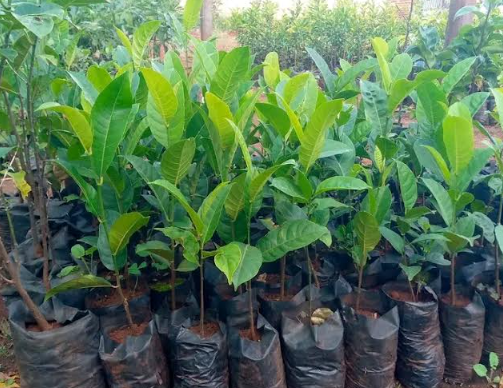
Thousands of indigenous and commercial tree seedlings have been planted in schools, farms, public institutions, and riparian areas, signaling a growing appreciation of the role trees play in supporting livelihoods.
Environmental conservationist John Tanui said residents have embraced the government’s tree-growing campaign with enthusiasm.
“We have witnessed tremendous participation from farmers, schools, churches, and youth groups during tree-planting exercises. Every seedling planted contributes towards protecting our environment while securing the future of agriculture,” said Tanui.
He said thousands of tree seedlings have been distributed through collaborative programmes involving the Kenya Forest Service, the County Government of Nandi, and other stakeholders, leading to increased tree cover across the sub-county.
Kenya Forest Service Ecosystem Conservator Emily Chebet said afforestation is restoring degraded ecosystems and protecting critical water catchment areas that feed rivers originating from the Tinderet ecosystem.
Trees improve water infiltration into the soil, reduce erosion, conserve biodiversity, and help regulate local climatic conditions. Indigenous tree species are especially important because they strengthen ecological balance,” said Chebet.
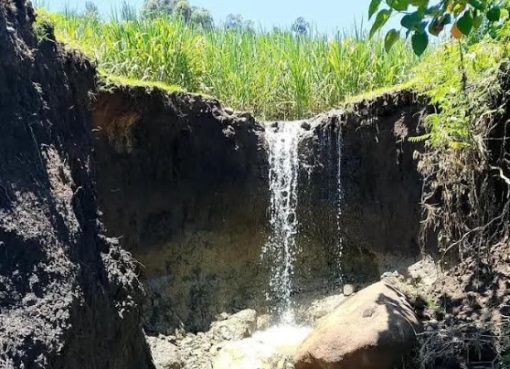
She noted that the restoration of forests has helped reduce surface runoff during heavy rains while protecting fertile agricultural land from erosion.
Nandi County Executive Committee Member (CECM) for Agriculture and Livestock Development Dr. Bernard Lagat said agroforestry was increasingly becoming an important farming practice in the county.
“Trees improve soil fertility by adding organic matter, conserve soil moisture, provide shade for crops such as coffee, and create additional income through timber, fruits, and tree seedlings,” said Dr. Lagat.
He observed that integrating trees into farms helps reduce the effects of prolonged dry spells, making agriculture more resilient to climate variability.
According to the Food and Agriculture Organization (FAO), agroforestry systems can increase agricultural productivity by between 20 and 30 percent while significantly reducing soil degradation and increasing carbon sequestration.
Coffee farmer Samuel Kiptoo from Songhor-Soba Ward said planting indigenous trees within his coffee farm has improved soil moisture retention and protected his crop from excessive heat.
“The shade has improved coffee growth while reducing soil erosion. In the long term, the trees will also provide timber, giving me another source of income,” he said.
Maize farmer Esther Jelagat from Tinderet Ward said establishing woodlots has eased pressure on nearby forests.
“We harvest firewood from our own farms instead of cutting trees from natural forests. Fallen leaves also improve soil fertility,” she said.
The CECM added that increasing tree cover is essential in safeguarding rivers, wetlands, and agricultural land.
“When forests disappear, rainfall becomes erratic, rivers shrink, and farming suffers. Tree planting is therefore an investment in food security and environmental sustainability,” he said.
Schools in the area have also established tree nurseries and woodlots as learners actively participate in environmental conservation activities.
Agricultural experts say increased tree cover is expected to improve groundwater recharge, reduce flooding, moderate temperatures, enhance biodiversity and absorb carbon dioxide, helping mitigate the effects of climate change.
With farming remaining the backbone of the local economy, conservationists believe sustained afforestation programmes will continue to strengthen the agroecological health of the Sub County by improving soil fertility, protecting water resources and supporting stable agricultural production for generations to come.
By Sammy Mwibanda