Hundreds of schoolgirls in Kajiado County miss classes every month as menstrual stigma, lack of sanitary towels and inadequate sanitation facilities continue to disrupt their learning.
Speaking during the commemoration of Menstrual Hygiene Day 2026 at Ole Lenku Primary School in Isinya Kajiado county, the governor’s wife Edna Lenku said period poverty remains a major challenge affecting girls’ education and wellbeing.
She noted that many girls are forced to stay away from school during their menstrual periods because they cannot afford sanitary products or access proper facilities to manage menstruation safely.
The governor’s spouse said stigma and silence surrounding menstruation continue to make the situation worse, with many girls suffering in silence for fear of embarrassment and discrimination.
“Menstrual hygiene is about dignity and ensuring girls stay in school without shame or missing opportunities because of their periods,” she said.
She called for increased investment in menstrual hygiene programmes, including provision of sanitary towels and improved sanitation facilities in schools.
Mrs. Lenku also urged communities to openly discuss menstrual health in order to eliminate myths and cultural beliefs that discourage girls from seeking support.
She reaffirmed the county’s commitment to supporting the health, wellbeing, and empowerment of adolescent girls through enhanced menstrual hygiene interventions and continuous community awareness.
Teachers and participants observed that menstruation-related absenteeism continues to affect girls’ academic performance and confidence.
They noted that learners from vulnerable households often miss several school days each month due to lack of access to sanitary towels and adequate menstrual hygiene support.
A teacher, Loise Sanaiya, said some girls are forced to keep away from their peers during menstruation due to fear of ridicule and lack of adequate privacy in schools.
She noted that this leads to repeated absenteeism, which in some cases affects academic performance and contributes to school dropouts among affected learners.
Sanaiya said financial constraints remain a major challenge, with some girls unable to afford sanitary towels and therefore miss classes every month.
She added that stigma surrounding menstruation continues to discourage open discussion, leaving many learners isolated and without adequate support during their menstrual periods.
She further warned that in some vulnerable cases, girls are exposed to risky sexual transactional relationships in efforts to access sanitary products, increasing their vulnerability to teenage pregnancy.
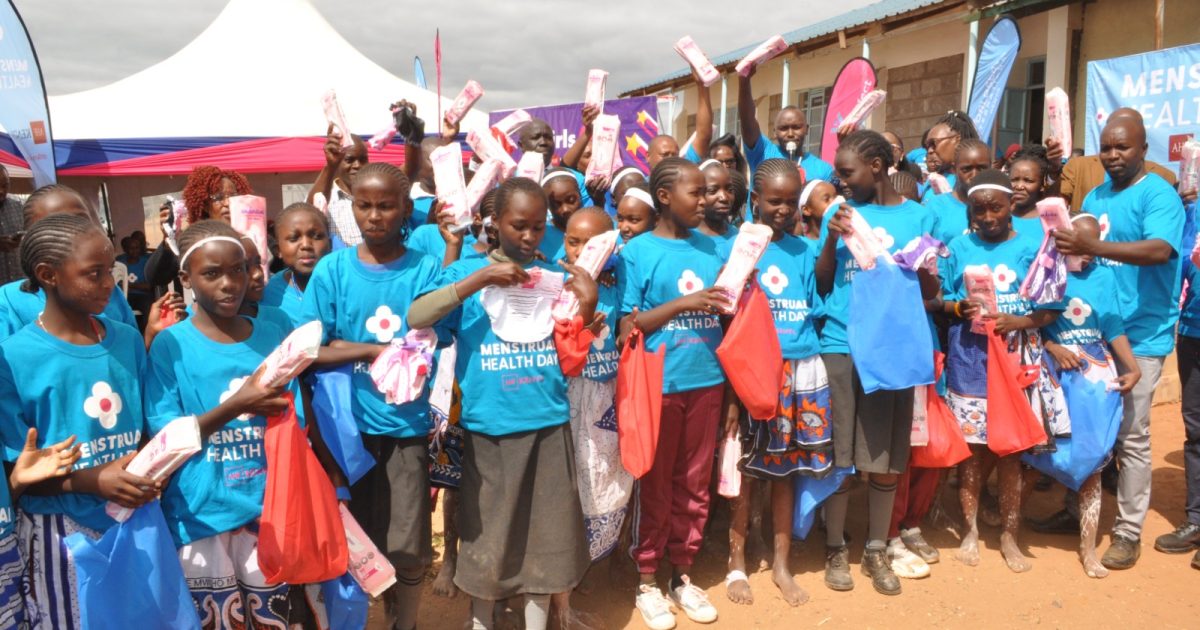
During the event, more than 200 girls from schools within the area received sanitary towels and menstrual hygiene education. The forum also emphasized the need to involve boys and men in menstrual health awareness in order to create supportive school and community environments.
The Menstrual Hygiene Day, observed annually on May 28, aims to break the stigma around menstruation and promote good menstrual health. The day advocates for better access to menstrual products, education, and sanitation facilities, ensuring women and girls can manage their periods safely and with dignity.
By Rop Janet