By C, KNA
Aga Khan Hospital in Mombasa, in partnership with the East African Comprehensive Women’s Cancer Project, marked World Gynecologic Oncology Day on September 20 with an awareness event highlighting prevention, screening, and treatment of women’s cancers.
The project, funded by the French Development Agency (AFD), the Bill & Melinda Gates Foundation, and the Aga Khan Foundation, is being implemented in Kenya and Tanzania.
In Kenya, activities focus on Kilifi and Mombasa counties in the Coast region, Homa Bay and Kisumu counties in the Western region.
Aquinas Mungatia, Head of Project at Aga Khan Hospital and Project Manager for the Women’s Cancer initiative, said in the Coast region, they are conducting Human papilloma Virus (HPV)vaccination, cervical and breast cancer awareness campaigns, screening, and infrastructure support.
He added that in Kilifi County, they are constructing a chemotherapy treatment room which is the first of its kind in the county.
Joining him was Dr. Anisa Mburu, a gynecologic oncologist at Aga Khan Hospital, Mombasa, who emphasised the importance of prevention and early detection.
“Some women’s cancers are preventable. HPV-related cancers of the cervix, vulva, vagina, and even throat can be prevented through the HPV vaccine, recommended for girls aged 9 to 14 as a single dose. For women over 25, regular HPV DNA testing every five years is key. For ovarian and endometrial cancers, while there’s no screening method, early recognition of symptoms like abnormal bleeding or persistent bloating can save lives. Cancer does not have to be a death sentence if detected early,” she said.
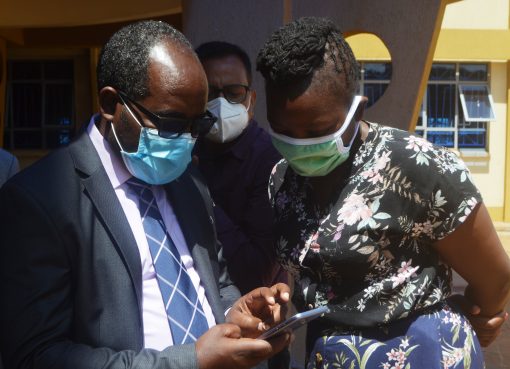
The event also featured testimony from Jennifer Mwema, a teacher and mother of three, who is a two-time cervical cancer survivor.
“In 2014, I was diagnosed with stage 2B cervical cancer. Early detection saved me. Even when the cancer recurred three years later, I was able to get treatment again. My message is simple: listen to your body, go for screening, and never assume cancer is for someone else. Early diagnosis saves lives,” she emphasised.
Dr Mburu highlighted Kenya’s worrying statistics, noting that cervical cancer is the leading cause of cancer deaths among women, with about 5,800 new cases annually and 3,800 deaths.
At the Coast, up to 80% of women presenting to her clinic have cervical cancer, most at advanced stages due to stigma, misinformation, and financial challenges.
To address barriers, the project is deploying mobile screening and treatment units, community outreach, and financial support systems for women unable to afford care.
“Just this month, we vaccinated over 25,000 girls against HPV,” Mungatia reported.
Frederick Koa, a project officer, acknowledged challenges such as myths and misconceptions surrounding the HPV vaccine.
He noted that some parents fear it causes infertility, which is not true, adding that continuous sensitisation in schools and communities, supported by the Ministry of Health, is key to overcoming resistance.
Dr Mburu added that the vaccine is safe and effective with studies, including those done in Kenya, showing that a single dose provides strong and lasting protection.
“Vaccinating before sexual exposure ensures girls build immunity against HPV, which causes the majority of cervical cancers,” she said.
Currently, Kenya has fewer than 50 gynecologic oncologists, making community-level screening by nurses and clinical officers crucial to widening access.
The event closed with a call to sustain September’s focus on women’s cancers into October’s breast cancer awareness month, with plans for awareness walks and more community outreach.