The Mombasa County Government has partnered with more than 400 accredited training institutions under the Skills Mtaani Programme, a major initiative aimed at equipping young people with practical, market-driven skills to enhance their employability, promote entrepreneurship and reduce youth unemployment across the county.
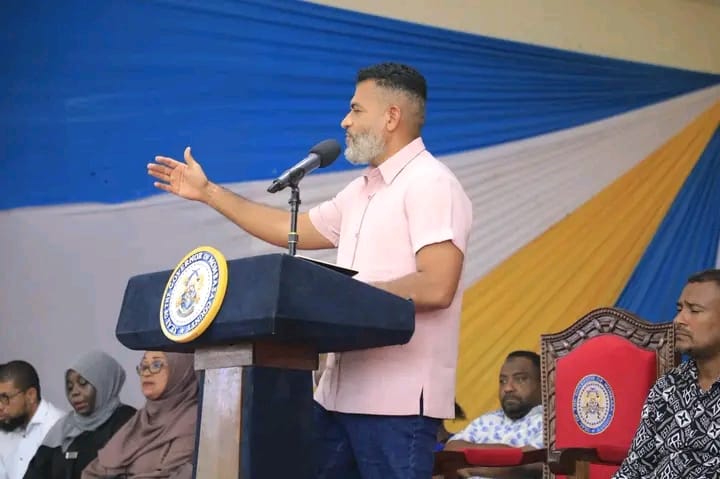
Speaking during a meeting with representatives of participating institutions at Tononoka Social Hall in Mombasa, Governor Abdulswamad Shariff Nassir said the programme seeks to bridge the gap between education and employment by providing affordable access to vocational and technical training for thousands of young people.
The governor observed that many young people complete secondary school, college or university with the desire to acquire additional practical skills but are unable to pursue further training because of financial challenges.
“We have thousands of young people who have finished school and are eager to learn new skills, but many of them lack the means to sustain themselves while pursuing training,” Nassir said.
He explained that the county government had deliberately partnered with accredited institutions that possess qualified instructors, adequate facilities and the technical capacity to deliver quality, industry-standard training aligned with the demands of the labour market.
Under the programme, participating institutions will offer a wide range of technical and vocational courses, including baking and pastry, henna artistry, beauty therapy, carpentry and joinery, tailoring and fashion design, plumbing, electrical installation, welding and fabrication, motor vehicle mechanics, information and communication technology (ICT), hospitality and other market-oriented skills.
Nassir said the county government had already allocated funds for the initiative and urged institutions to begin implementation without delay so that beneficiaries can commence training as soon as possible.
“The programme should move with speed because the budget has already been provided,” he said.
The governor stressed that institutions participating in the programme would be required to uphold high standards of accountability, noting that all public funds allocated to the initiative would be subject to regular audits.
“This money will be audited, so you need to be certified as an institution and sign a Memorandum of Understanding with the County Government of Mombasa. We are basically giving you this opportunity on a silver platter,” Nassir said.
To strengthen transparency and ensure proper management of the programme, the governor revealed that the number of trainees assigned to each institution would depend on its training capacity as determined through a county assessment.
He added that the county’s ICT department is developing a digital attendance system that will enable real-time monitoring of trainees, improve accountability and ensure public resources are utilised effectively.
Nassir further announced that once the registration and verification process is completed, all participating institutions will take part in an exhibition to showcase the courses they offer, enabling prospective trainees to make informed decisions based on their interests and career aspirations.
He reaffirmed his administration’s commitment to ensuring fairness, transparency and equal opportunity throughout the programme, saying every eligible applicant would have an equal chance of benefiting regardless of their social or economic background.
“Let us come together to educate our young people and thereafter give them opportunities for internships and attachments. I believe this programme will significantly reduce the burden of unemployment in Mombasa County,” he said.
James Eliya, a human resource officer and a person living with a disability, welcomed the initiative, describing it as a timely intervention that would empower many young people with employable skills.
He urged parents of children living with disabilities to take advantage of the programme, saying vocational training would enable them to become self-reliant and contribute meaningfully to society.
“I expect the programme to also support persons living with disabilities. They should embrace education and skills training because these are essential tools for economic empowerment and independence,” he said.
By Mary Mtawa and Vincent Kiptoo