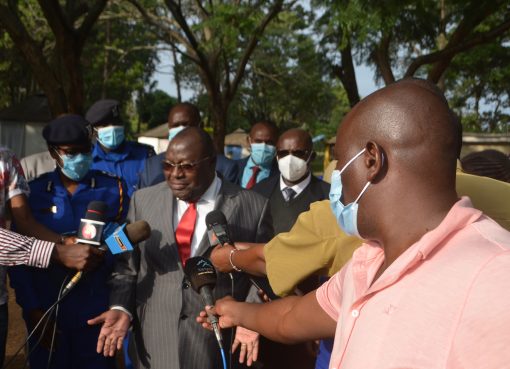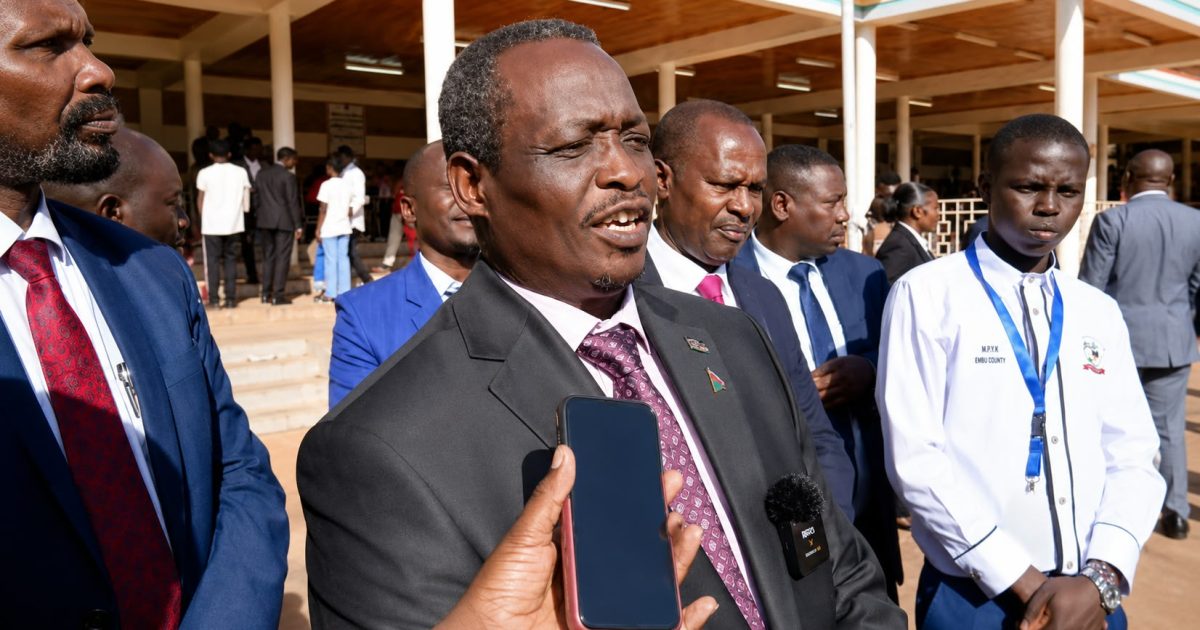
Chuka University’s student population is expected to rise to approximately 30,000 following the admission of more than 9,000 first-year students, Vice Chancellor Professor Henry Mutembei has said.
Professor Mutembei said about 6,000 of the new students had already reported by Monday, while the remaining 3,000-plus were continuing to arrive and complete the admission and registration process.
The ongoing admission marks one of the university’s largest intakes as the institution continues to expand its student population.
Professor Mutembei said the growing number of students would have a significant impact beyond the university, particularly on businesses and residents of Ndagani, where the institution is located.
He described the increase in student numbers as a game changer for the local economy, noting that the expanded university community would create increased demand for various goods and services in the area.
At the same time, the Vice Chancellor cautioned landlords and other accommodation providers against taking advantage of the growing student population by hiking house rents.
He said the University would continue monitoring the situation to ensure students were not exploited as demand for accommodation around the institution increased.
He urged landlords and students to maintain a harmonious relationship and work in good partnership for the benefit of both parties.
The Vice Chancellor also spoke about challenges surrounding the new university funding model, noting that some households remained uncertain about the amount they were expected to contribute towards their children’s fees.
He said the university had opted to allow all newly admitted students to proceed with registration regardless of the amount they had paid.
According to Professor Mutembei, the decision would give students an opportunity to begin their studies as the university awaits further guidance from the government on the implementation of the funding model.
He said the institution remained committed to ensuring students are able to commence their academic programmes despite the ongoing uncertainty surrounding the financing arrangements.
By Dickson Mwiti and Christine Ngitori