Dental experts have raised concern over rising cases of dental fluorosis among children in Naivasha and other urban centres, attributing the condition to increased use of borehole water with high fluoride content.
Oral Health Association of Kenya (OHAK) President, Dr Beatrice Achieng, said fluorosis, which causes discolouration of teeth, was among the leading oral health concerns identified in recent years.
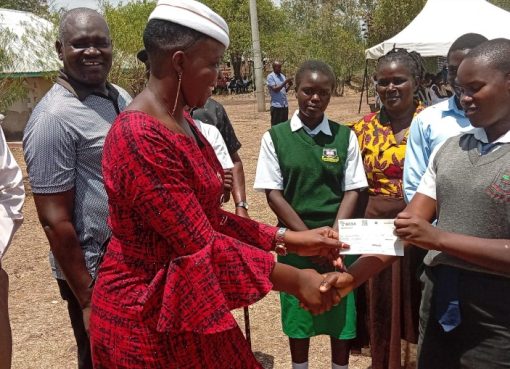
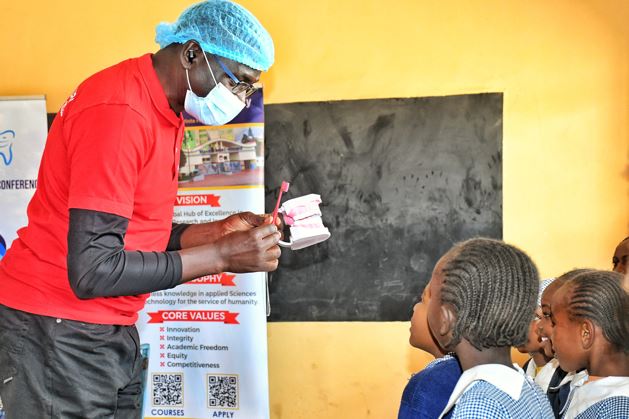
Speaking during a free dental clinic at Mirera Primary School in Naivasha on Tuesday, Dr Achieng said pupils from nearby informal settlements had a high prevalence of cavities and discolored teeth.
She said fluorosis had traditionally been associated with Naivasha and neighbouring towns due to naturally high fluoride levels in local water sources, but the condition was becoming rampant in estates in Nairobi and Ngong as more residents turned to borehole water.
“Fluorosis is on the rise not only in Nakuru County but in other counties because most people are now using borehole water, which has high levels of fluoride,” Dr Achieng said.
Dr Achieng added that dental services remained under-utilized despite being of good quality, accessible and affordable.
A dental officer, Chege Dunu, said preliminary observations indicated that between 40 and 46 per cent of children assessed had some form of tooth discolouration.
He said dental fluorosis occurs when children are exposed to excess fluoride while their teeth are developing, mainly between the ages of six and 14 years, with teenagers the most affected age group.
Dunu noted the condition is not painful and can go unnoticed for years, with many affected children only seeking help later in life when concerned about the appearance of their teeth.
He said fluorosis cases in Naivasha were gradually declining due to increased use of harvested rainwater and water purification machines and called for wider access to safe drinking water to protect children from the condition.
He added that treatment was now available at government hospitals and other public health facilities, urging residents with discoloured teeth to seek professional care.
Dunu identified tooth decay, gum disease and misaligned teeth as other common oral health concerns and urged parents to seek professional advice before allowing children’s milk teeth to be extracted.
On his part, Kenya Medical Practitioners and Dentists Council member Musa Kiptanui attributed dental challenges, including cavities and tooth discolouration, to changing dietary habits, particularly increased consumption of refined and sugary foods.
Kiptanui urged Kenyans to seek services only from licensed and registered dental practitioners, noting that the Council was working with compliance officers to crack down on unlicensed practitioners, commonly known as quacks.
“We are below World Health Organisation standards in terms of the number of dental health practitioners, but we are working with the government and learning institutions to close this gap,” he said.
According to WHO, Kenya is yet to meet the organisation-recommended dentist-to-patient ratio of one dentist to 10,000 patients, which continues to strain access to dental health care.
He advised members of the public to maintain good oral hygiene by reducing sugar intake and brushing their teeth at least twice daily.
The free clinic was organised by OHAK in conjunction with Mount Kenya University, providing dental treatment and oral health education to pupils and the surrounding community.
The event comes ahead of OHAK’s 32nd Annual Scientific Oral Health Conference, scheduled for a Naivasha hotel, which is expected to bring together practitioners to discuss emerging trends in dental care.
By Erastus Gichohi and Orpah Gesare