Kenya is seeking to place wildlife conservancies at the heart of a new financing framework that could reshape how conservation funding is mobilised, prioritised and channelled to areas where it is most needed.
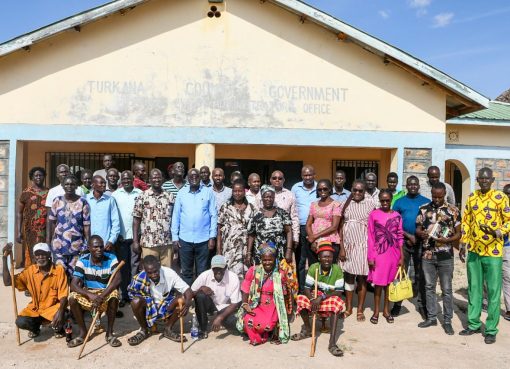
The move is taking shape through consultations to develop a strategic plan for the Wildlife Conservation Trust Fund (WCTF), with conservancy representatives in Taita Taveta County urging the plan’s architects to make funding responsive to realities on the ground.
Caroline Tullo, Head of the Secretariat of the WCTF, said the consultations were intended to capture the priorities of conservation stakeholders and provide direction for the Fund as it develops its operational and policy framework.
“We’re here to listen to your views and integrate them into the plan so that we come up with a funding framework that addresses real challenges on the ground and benefits communities in and outside conservancies,” said Tullo.
The Fund is mandated to mobilise resources from government, tourism, development partners, the private sector and other sources to support wildlife conservation. Its scope covers national parks, reserves and conservancies, with financing aimed at addressing documented gaps and supporting conservation initiatives.
For the State Department for Wildlife, giving conservancies a voice at this stage is critical because the eventual framework will determine how conservation priorities are translated into funding decisions.
Charles Ombuki, Director of Planning at the State Department for Wildlife, said the views of conservancies and other stakeholders would help shape the policy direction of the Fund.
“You’re critical to the mandate of this fund, and that’s why, before everyone else, your views are the backbone of this plan so that we have a working fund that does the job it’s intended for,” said Ombuki.
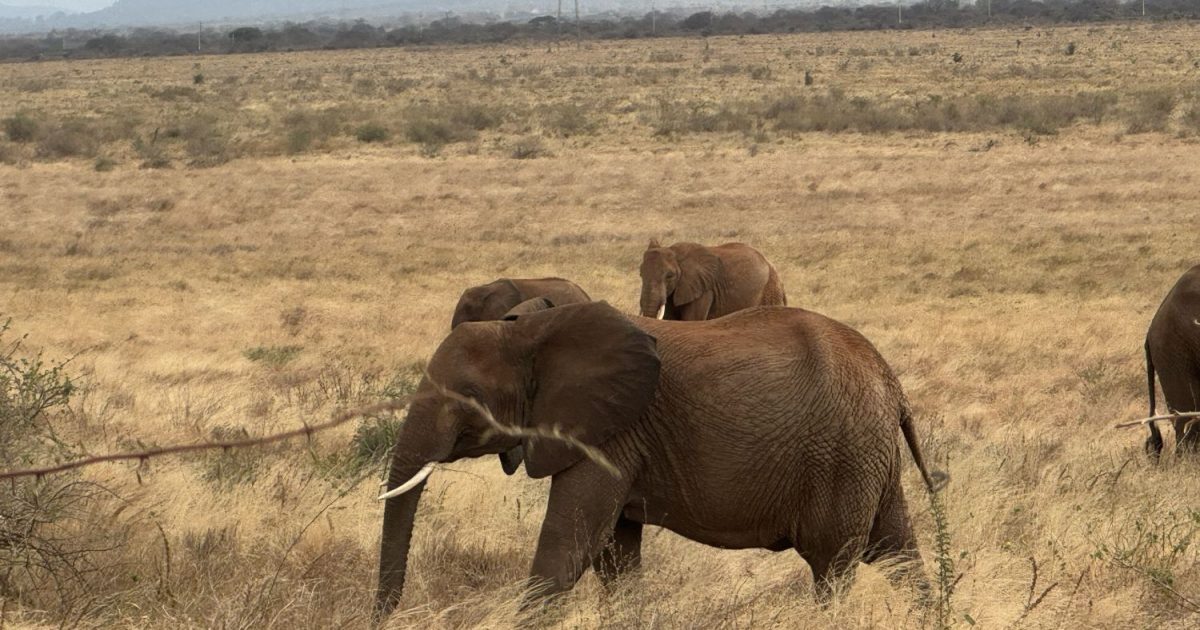
The emphasis on conservancies reflects their growing role in Kenya’s wildlife conservation landscape, where communities and private landowners increasingly share responsibility for protecting habitats and wildlife beyond the boundaries of national parks and reserves.
Taita Taveta offers a striking illustration of that role, with about 24 per cent of the county’s land, roughly one million acres, held under 32 conservancies.
The scale of conservation in the county also brings substantial financial demands, from maintaining ranger operations and protecting habitats to supporting communities whose livelihoods are linked to wildlife and conservation.
It is against this backdrop that the strategic planning process is seeking to establish not only where conservation money should go, but also what different conservation areas need, how those needs should be prioritised and how funds can reach beneficiaries.
Lead consultant, Lazarus Mulwa, of the University of Nairobi Enterprise Services (UNES), which is supporting the development of the plan, said the team was gathering views through focus group discussions before incorporating them into the final document.
“We’re gathering views to develop the plan. Once we finalise the plan, you can see if your views were factored in,” Mulwa said.
The consultations are expected to examine the financial requirements of conservancies, potential sources of funding and the processes through which conservation areas can access support.
For conservancies, however, the value of the eventual strategy will ultimately be measured by whether it creates a predictable and accessible financing system capable of responding to the different realities of conservation areas.
Wabosha Kamata, representing Rukinga Ranch, said conservancies needed a funding framework that recognised their operational realities, while Andrea Mwiilole, chairman of Lualenyi Ranch, stressed the need for funding decisions to reflect the different needs of individual conservancies.
Their views underscore a central challenge to develop a financing system broad enough to support established conservation areas while ensuring that emerging and financially constrained conservancies are not left behind.
As Kenya works to build more sustainable financing for wildlife conservation, the strategic plan now being developed will determine how resources are mobilised, where they are directed and, ultimately, how effectively they support the people and landscapes on which the country’s wildlife depends.
By Arnold Linga Masila