A total of 7,460 cases of teenage pregnancies were formally reported in the last two years at various health facilities across Baringo County.
The latest Kenya Demographic and Health Survey (KDHS) report indicated that between 2024 and 2025, the county registered a surge in early adolescent pregnancy of close to 100 cases and sustainably high figures of over 3,500 cases yearly for girls between 15-19 years.
Baringo County Director of Gender and Youth Affairs, Daudi Aengwo, warned that the number could be higher since the recorded cases were coming from antenatal care visits, which might not capture other victims in remote areas who are unable to access or completely avoid maternal clinics.
Aengwo, who spoke to KNA in Kabarnet town on Monday, noted that the highest prevalence is being recorded in Tiaty West, East, and Marigat Sub-Counties, whose rates clocked 29.88, 27.56, and 20.48 percent, respectively.
The director attributed the new problem, which he observed might hinder ongoing efforts in the fight against GBV, largely to parental neglect.
“Our adolescent girls are very much safe when they are at school, but the problem is when they break for holidays because most of the pregnancies were recorded in September, meaning parents and some of the key stakeholders charged with the welfare of children have abdicated their roles,” he said.
Aengwo called for parental accountability at the household level and strict enforcement of the law to prosecute perpetrators of sexual abuse and child marriage.
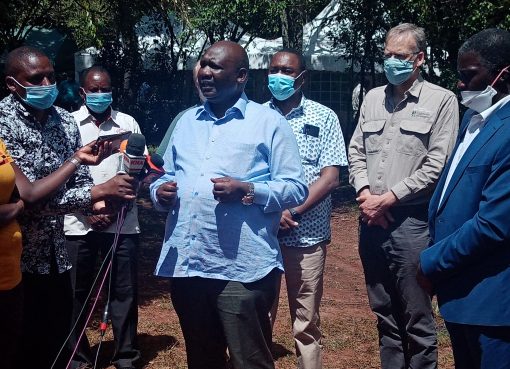
Baringo deputy county commissioner Boniface Kabugi, who interrogated the data, voiced deep concern that the surge in adolescent pregnancies is putting the future of the young generation at risk.
He challenged especially the concerned authorities from both levels of government in the county to up their game in order to drastically bring down the numbers.
“In whichever area you are in, let’s all strive to bring the numbers down,” Kabugi challenged county GBV champions.
Kabugi at the same time urged all actors to collaborate with residents in coming up with homegrown solutions to eradicate the vice once and for all.
Carol Jebet, who is an administrator working for the Collaborative Centre for Gender and Development, emphasized the need for community intolerance of GBV, especially defilement, by reporting every case and ensuring justice for survivors and accountability for perpetrators.
“It is shocking to note that in this era our communities are still lenient to perpetrators of defilement and teenage pregnancies to the extent of applying kangaroo courts to settle matters privately, which is illegal,” the activist said.
She called for greater awareness of Kenya’s GBV laws as a key step towards deterring abuse and addressing the rising cases of teenage pregnancies in the county.
Jebet also urged the Baringo Woman Representative office to revive a discontinued “Second Chance” programme which has been supporting girls across the county who dropped out of school due to early pregnancies.
By Benson Kelio and Joshua Kibet