The government has committed to settling Sh4 billion in verified debts, owed to healthcare facilities by the defunct National Health Insurance Fund (NHIF) by next week.
According to Health Cabinet Secretary Aden Duale, the payment has been provided for under the recently enacted supplementary budget and will prioritise bills of up to Sh10 million.
Duale stated that the remaining pending bills, once verified, will be included in the 2026–2027 financial year budget and cleared beginning in July, signalling major relief for financially strained health facilities.
During a presentation to the National Assembly Health Committee last October, the CS noted that the defunct NHIF had left debts of over Sh10 billion owed to healthcare facilities, which crippled and paralysed service delivery.
The move follows an outcry from public, private and faith-based health facilities over unpaid claims worth billions of shillings by the defunct NHIF, with some facilities facing closure due to financial pressure.
“Government will pay Sh4 billion in verified claims to healthcare facilities owed by the defunct NHIF by next week, while the remaining pending bills will be factored into the 2026–2027 financial budget,” reiterated Duale.
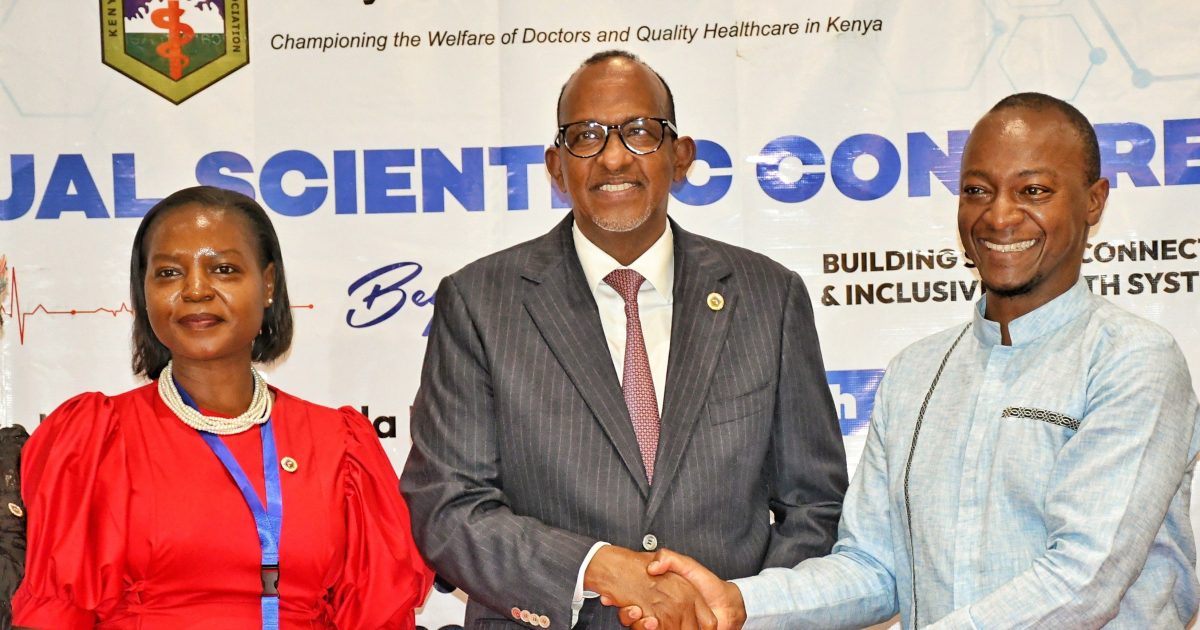
Speaking in Naivasha during the 53rd Annual Medical Association Conference, the CS said the move would ease the financial burden on the affected facilities.
He added that the Ministry is fast-tracking the disbursement of verified claims for services offered under the Social Health Authority (SHA) to strengthen healthcare service delivery.
Duale termed the transition from the debt-ridden NHIF to the more transparent and inclusive Social Health Authority as timely, noting that it has the potential to revolutionize healthcare.
He said that under SHA, the authority has so far registered over 30 million Kenyans, collected contributions amounting to Sh169.9 billion and disbursed Sh124.5 billion to healthcare facilities in claims.
The CS added that the authority has so far onboarded 10,646 facilities, where 8.5 million Kenyans have accessed free primary healthcare, while 3.6 million people have received specialised care.
Duale also said the Ministry is streamlining the Kenya Medical Supplies Authority (KEMSA) to improve the distribution of drugs to health facilities, noting that the agency has achieved a drug refill rate of 89 per cent.
Speaking at the same forum, the Director-General of Health Services, Dr Patrick Amoth decried the shift away from multilateral healthcare financing and called for the mobilisation of domestic resources to fill the funding gap.
Dr. Amoth said the SHA is reviewing its benefits and tariff package to improve access to healthcare while urging increased local research to address Kenya’s specific health challenges.
Kenya Medical Association President Dr Simon Kigondu expressed concern over delays in the disbursement of claims for services rendered and called for timely reviews.
Dr. Kigondu urged the Ministry to address teething problems facing the SHA system, including strengthening financing for primary and critical healthcare services.
On her part, World Medical Association President Dr Jacqueline Kitulu called for the adoption of artificial intelligence to enhance healthcare delivery in Kenya.
She also urged the government to address community health gaps, including support for the health workforce and investment in critical infrastructure to ensure an inclusive system.
by Erastus Gichohi