Deaf boda-boda operators in Vihiga County want fellow riders to treat them as equals, despite their communication challenges
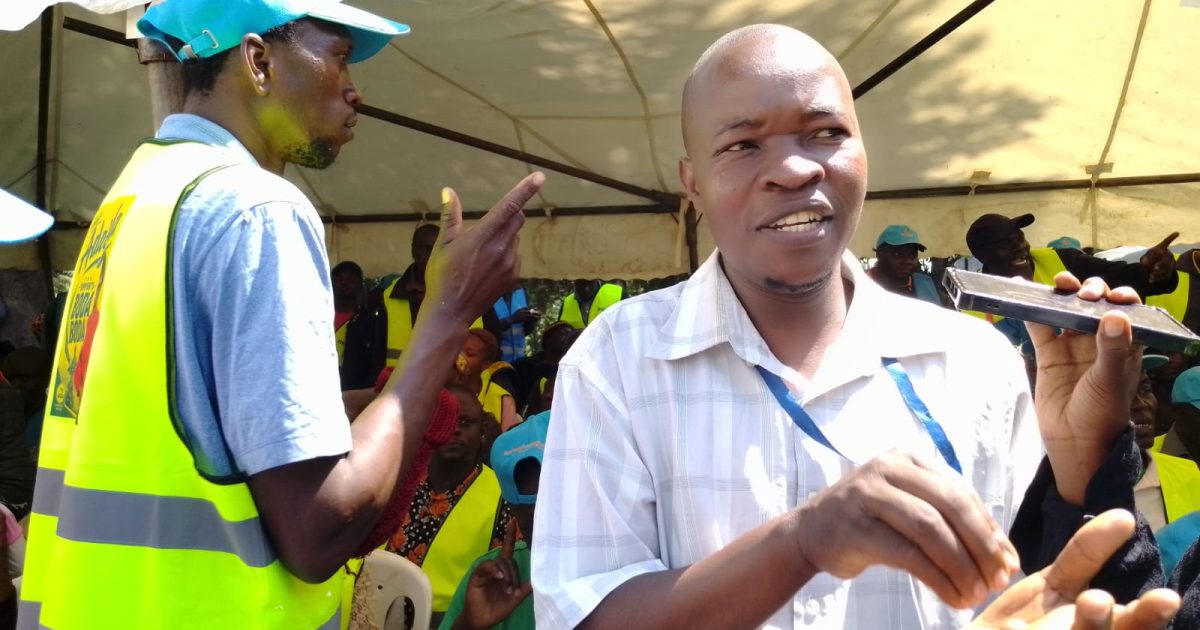
The physically impaired riders told their colleagues during the Vihiga County Boda Boda Association forum held at the County Commissioner’s Grounds in Mbale that they had also learnt to cope and thrive in the transport sector and demanded to be treated as equals.
Speaking during the event through sign language interpretation, representative of the deaf boda boda operators, John Amanya, said hearing impairment should not be viewed as a barrier to self-employment and economic independence, noting that deaf riders continue to make meaningful contributions to the transport industry.
Amanya said the riders were drawn from different parts of the county, including Luanda and Chavakali and were part of a wider network of deaf boda boda operators across the country.
He noted that while many earn a living by transporting passengers, others have diversified into motorcycle repair services, including puncture repairs, enabling them to meet the varied needs of customers and increase their incomes.
Amanya said it is difficult to establish the exact number of deaf boda boda operators because membership keeps changing.
However, he explained that communication among members is facilitated through WhatsApp groups and Short Message Service (SMS), which he uses to mobilize them whenever there are meetings or events.
“Whenever such events come up, I mobilize them through our WhatsApp group and SMS because I have their contacts,” he said.
He observed that most of the deaf riders are educated and that once customers realize a rider is deaf, they often use technology such as text messaging to communicate destinations, fares and meeting points, enabling the operators to serve clients efficiently.
Amanya said the boda boda business has enabled many deaf riders to earn a stable income, support their families and lead dignified lives like other members of society.
He further underscored the importance of organised support systems, noting that the riders belong to groups such as the Vihiga Boda Boda SACCO, which offers financial and social support to help members overcome challenges and improve their livelihoods.
According to Amanya, the operators are also organized into smaller groups to strengthen coordination and mutual support. He added that the SACCO’s registration requirements enable members to access loans for purchasing motorcycles, expanding their businesses and improving their quality of life.
He called on the public to judge persons with hearing impairment by their abilities rather than their disabilities, saying that with adequate support and equal opportunities, deaf riders can continue making significant contributions to the transport sector and the local economy.
Amanya also appealed to government agencies and stakeholders in the transport industry to promote inclusive programmes that address the unique needs of persons with disabilities by expanding access to training, financial services and employment opportunities.
The forum highlighted the growing recognition of persons with disabilities within the boda boda sector and underscored the role of inclusive organizations and support networks in empowering deaf riders to build sustainable livelihoods while contributing to the socio-economic development of their communities.
by Quinter Vunyoli