Youths in Nyandarua County are increasingly turning to the bodaboda business as unemployment and the high cost of living continue to bite.
Unemployment and scarce job opportunities have pushed many jobless youths to search for alternative ways of earning a living.
Among them is James Mwangi, 27, a diploma holder in information technology who now spends his days carrying passengers on a motorcycle between Nyahururu town and nearby villages.
“I searched for a job for almost three years,” he says. “At some point I got tired of staying at home depending on my parents. Bodaboda became my only option,” he added.
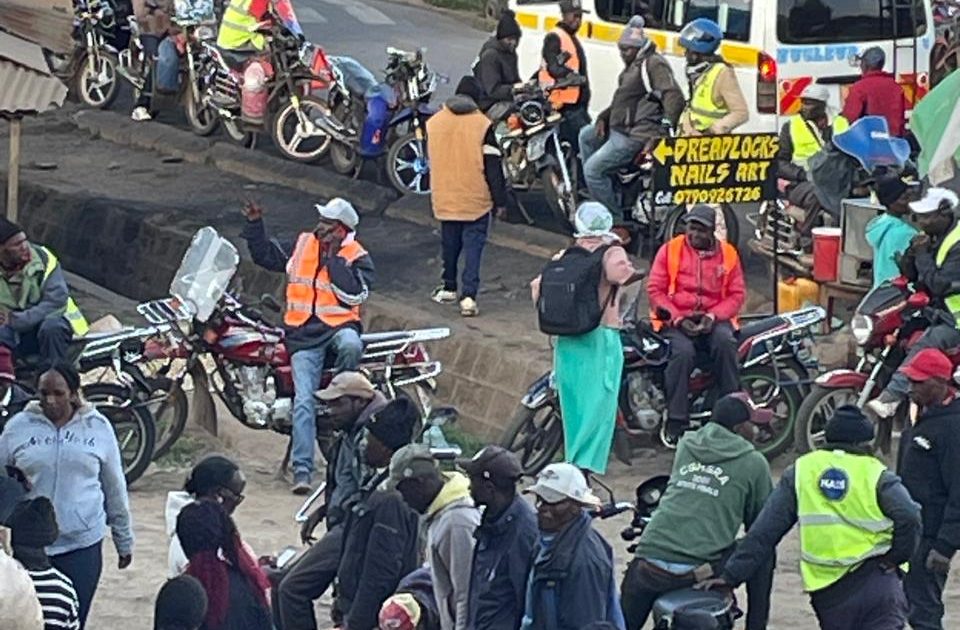
In towns such as Ol Kalou, Njabini, Ndaragwa and Nyahururu, motorcycles have become more than just a means of transport. For many youths, they are now the only available source of income.
Some are graduates from colleges and universities, while others dropped out of school due to lack of school fees.
Despite their different backgrounds, many share the same story — limited job opportunities and the struggle to survive.
“People think this job is easy,” says James. “But during rainy seasons the roads become terrible, we work in the cold and sometimes we go home with almost nothing after paying fuel and motorcycle loan instalments.”
Nyandarua’s rough terrain and unpredictable weather make the work even more difficult. Riders often travel through muddy roads, heavy fog and freezing rain, especially in remote villages.
Accidents have also become common, raising concerns about road safety and lack of proper training among some riders.
However, despite the challenges, the business continues to attract more youths every year because it offers quick daily income compared to waiting for white-collar jobs that may never come.
At most trading centres, groups of riders can be seen parked for hours discussing politics, football and business while waiting for customers.
Some have formed welfare groups where they contribute some money as savings to help each other buy motorcycles, pay hospital bills or support members during difficult times.
Others say the industry has helped reduce crime by giving idle youths something to do.
Local leaders are now calling for more investment in youth empowerment programs, vocational training and job creation to reduce overdependence on the bodaboda sector.
Youth activist Samuel Kariuki says many young people in Nyandarua have skills and education but lack opportunities.
“We have graduates in the villages who are frustrated. Bodaboda is helping them survive, but it should not be the only option available for our youth,” he says.
As evening approaches and temperatures drop once again, riders continue navigating the dusty and muddy roads searching for one last customer before darkness falls.
For many of them, every trip means food on the table, school fees for siblings or rent paid at the end of the month.
And while some still hope for better opportunities in future, for now, two wheels remain the engine driving the dreams of many youths in Nyandarua.
by Millicent Nzula and Kimani Tirus