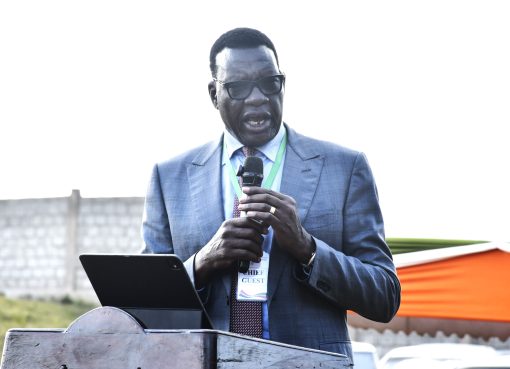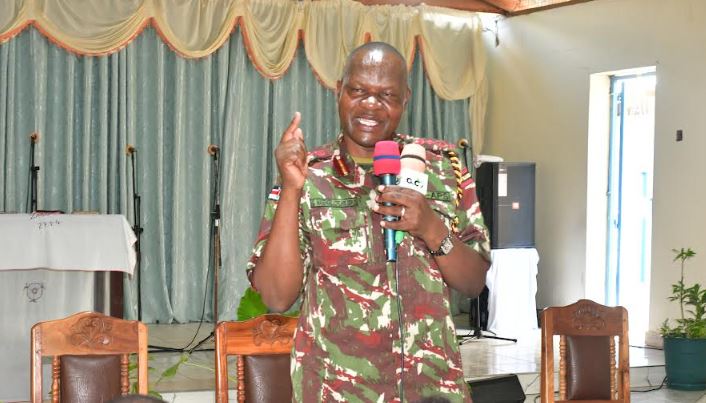
Deputy Inspector General (DIG) of Police Gilbert Masengeli has warned politicians against hate speech and incitement ahead of the 2027 General Election, saying those found violating the law will be arrested and prosecuted regardless of their status.
Masengeli urged political leaders to exercise restraint in their public utterances and avoid statements that could fuel violence and undermine peace as the country prepares for the elections.
Speaking during a familiarization visit to Kilifi, the Deputy Inspector General said no individual was above the law and cautioned politicians against using their influence to incite members of the public.
“The law is like a mirror; it does not lie. Politicians that indulge in hate speech and incitement, they should stop. No one is above the law; we will arrest you and charge you in a court of law,” he said.
Masengeli also called for closer cooperation between security agencies and communities, saying maintaining peace was a shared responsibility between the police and the public.
He urged security teams in Kilifi to strengthen engagement with residents and other stakeholders to improve the flow of information and prevent crime.
“Security is beneficial to all, and it is achieved through good collaboration between the community and the police,” he said.
The remarks come as the National Police Service intensifies preparations for the 2027 General Election, including efforts to identify areas considered vulnerable to election-related violence.
Recent national discussions have also focused on hate speech, political polarisation and other threats to peaceful elections.
The Deputy Inspector General also warned against drug trafficking, calling for concerted efforts by security agencies and the public to combat the illicit trade.
His remarks came shortly after authorities destroyed more than one tonne of methamphetamine valued at approximately Sh8.2 billion at Bamburi Cement in Mombasa.
The 1,036-kilogramme consignment was seized in the Indian Ocean in October 2025 during a multi-agency maritime operation and was later destroyed under court-supervised procedures. The narcotics were linked to a trafficking case involving six suspects whose trial is ongoing.
Masengeli said drug trafficking and substance abuse posed a threat to young people, families, and the wider economy.
“Yesterday, we destroyed drugs in Mombasa, drugs that destroy our youths and our families and affect the economy of society,” he said.
He called on the police and members of the public to work together in identifying and reporting drug trafficking activities, saying those involved would face the law.
“We are calling upon the public and the police to be very firm on dealing with drug trafficking cases, and there is no room for drugs in Kenya. They will be arrested and tried in a court of law,” Masengeli said.
The security boss also urged residents to follow safety advisories issued by relevant government agencies in the event of heavy rains and flooding.
He asked residents living in areas vulnerable to flooding to cooperate with authorities and move to safer locations when directed, saying such measures were intended to protect lives and not deprive people of their property.
“If you are asked to move from a danger zone, please accept. It’s not a plan to take away your piece of land, but it’s a strategy for your own safety. Let’s obey the instructions given to us by the respective institutions tasked with the issue,” he said.
Masengeli further called on the public to remain vigilant over religious groups and cult-like movements, citing the Shakahola tragedy in Kilifi.
He said the government remained committed to ensuring that victims of the tragedy were identified and that the judicial process was allowed to take its course.
“The government is still working to ensure that the case gets the judgment it deserves. There are special steps that are still to be done, including the issue of DNA tests in order to get the identity of the rest of the bodies and align them with their respective families,” he said.
Masengeli said continued cooperation between communities, security agencies, and other government institutions would be critical in addressing emerging security threats and maintaining peace across the country.
By Laban Mrima and Stephen Mrira