Stakeholders have called for intensified efforts to curb the escalating theft and illegal trade in donkey skins and related products, warning that the vice is threatening livelihoods and worsening socio-economic challenges in communities that depend on donkeys for transport, farming and household work.
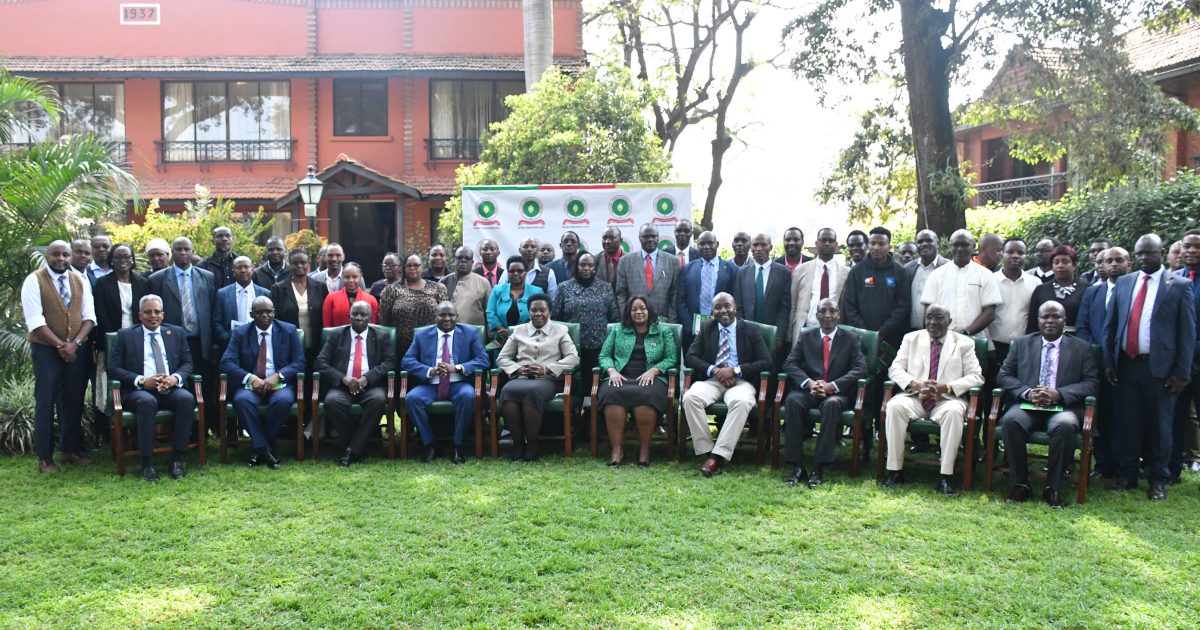
The appeal was made on Thursday during the launch of the National Crime Research Centre (NCRC) report on The Theft and Illegal Trade in Donkey Skins and Related Products in Kenya at the Fairmont, The Norfolk in Nairobi.
Donkey theft for slaughter has emerged as a growing form of organized livestock crime in Kenya, with criminals targeting the animals primarily for their hides, which are processed into donkey skins for lucrative local and international markets.
The illegal trade has contributed to a steady decline in donkey populations despite the animals remaining an essential source of transport and farm power for thousands of households, particularly in rural and arid areas.
Research shows that a loss of approximately 700,000 donkeys from 2009 to 2019 with census indicating that as of 2009 the numbers were approximately 1,800,00 while in 2019 it was approximately 1,100,000
Speaking to the Kenya News Agency (KNA), the Deputy Director of Crime Research at the National Crime Research Centre, Dr. Tioko Logiron, said the report reveals that the illegal trade in donkey skins is sustained by an extensive value chain serving both domestic and international markets, making the fight against the vice increasingly complex.
“The fight against the illegal trade in donkey skins must be intensified because the value chain is extensive, with markets both locally and internationally. Unless decisive action is taken, criminal networks will continue exploiting the high demand for donkey skins at the expense of vulnerable communities,” said Dr. Logiron.
Dr. Logiron said the report further established that donkey theft has far-reaching social and economic consequences, with women and children bearing the greatest burden following the loss of the animals.
He noted that many households are forced to revert to manual transportation of water, firewood and farm produce, increasing the workload for women while children are increasingly drawn into labour to compensate for the loss of donkeys, negatively affecting their education and wellbeing.
The Deputy Director also highlighted legal and operational gaps that continue to hinder effective prosecution of donkey theft cases. He observed that law enforcement officers often encounter challenges in determining where recovered donkeys should be kept after suspects are arrested, while existing provisions of the Penal Code do not specifically classify the type of livestock stolen, complicating investigations and prosecution of offenders.
The Chairperson of the National Donkey Association of Kenya, Robert Muthethia, called on government agencies, county governments, law enforcement officers and development partners to move beyond research findings and implement the recommendations contained in the report to address the growing crisis.
“Donkey theft has become a serious crisis affecting thousands of families that depend on the animals for their livelihoods. The recommendations contained in this report should now be translated into action through stronger enforcement, better coordination among stakeholders and greater protection of donkey owners,” said Muthethia.
Muthethia, who hails from Meru County, said the continued theft and slaughter of donkeys have exposed many households to economic hardship through the loss of transport, farm power and income-generating opportunities.
He urged communities to work closely with security agencies by reporting suspected cases and supporting efforts aimed at dismantling criminal syndicates behind the illegal trade.
According to the report, the highest prevalence of reported donkey theft cases was recorded in Mwingi East, Kajiado, Mwingi Central, Kiambu and Machakos, with more than 200 cases documented in the surveyed areas.
The findings underscore the need for strengthened surveillance, stricter enforcement of livestock theft laws and enhanced public awareness to safeguard Kenya’s remaining donkey population.
By Kipkorir Felix and Grace Naishoo