Five border counties in arid and semi-arid lands (ASALs) are set to benefit from a Sh13.5 billion groundwater project aimed at addressing perennial water shortages.
The government has commenced works on the groundwater resilience project in Turkana, Mandera, Wajir, Marsabit and Garissa counties.
The project, funded by the national government in partnership with the World Bank, is expected to provide long-term relief in drought-prone regions where persistent dry spells have for decades affected livelihoods and economic activities.
For years, the counties have been severely affected by prolonged droughts, leading to massive livestock losses, wildlife deaths and the erosion of livelihoods among local communities.
Once completed, the project is expected to provide a reliable and sustainable water source, opening up new livelihood opportunities and supporting long-term resilience in the affected regions.
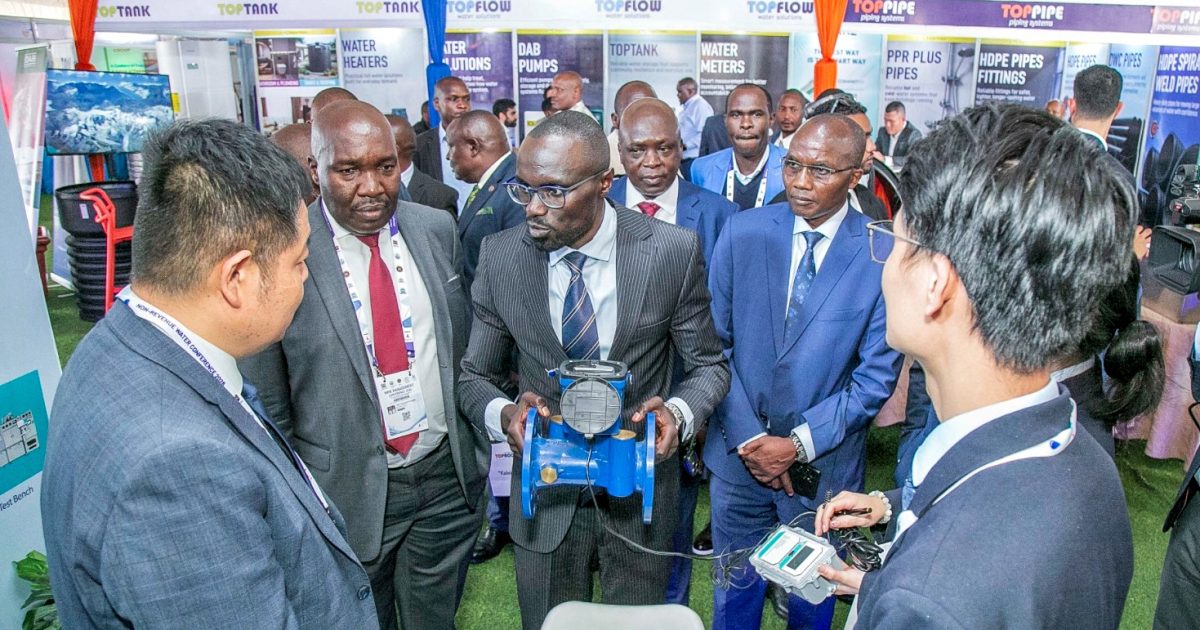
Water and Sanitation Cabinet Secretary Eric Muuga announced the project during the opening of the Non-Revenue Water Conference in Naivasha, even as he raised concern over rising losses in treated water across the country.
Muuga noted that water providers continue to lose nearly half of treated water through leakages, vandalism and dilapidated infrastructure.
He said uncollected revenue from non-revenue water has increased from 44 per cent to 48 per cent in the past year, a trend he described as unsustainable.
The Cabinet Secretary challenged water service providers to adopt smart water metering systems to curb leakages and improve efficiency, noting that losses cost the sector more than Sh15 billion annually.
He further said that the implementation of smart billing systems and improved monitoring would significantly enhance revenue collection and service delivery.
Muuga added that the Water Act 2024 has opened new opportunities for public-private partnerships aimed at expanding water access and strengthening climate resilience.
Water and Sanitation Principal Secretary Julius Korir said the latest report indicates rising losses due to leakages, vandalism and ageing infrastructure.
He noted that high electricity costs have also contributed to increased operational expenses, urging providers to adopt hybrid energy systems to reduce costs and expand connections.
Korir said the government will introduce performance-based targets to improve accountability and efficiency among water service providers.
Council of Governors representative and Laikipia Governor Joshua Irungu said nearly half of treated water does not generate revenue, costing providers billions of shillings annually.
He called for urgent investment in smart meters and real-time monitoring systems, terming illegal connections and vandalism as major challenges in the sector.
Irungu said the Council of Governors is committed to reducing non-revenue water to 20 per cent by 2030 through policy reforms and enhanced oversight.
Water and Sanitation Providers Association Chairman Thomas Odingo said providers are exploring green bonds and capital market financing to bridge funding gaps and expand water infrastructure.
By Erastus Gichohi