By S, KNA
The Wildlife Research and Training Institute (WRTRI), with support from the Go Blue project and the European Union, has intensified its efforts to conserve marine ecosystems while enhancing community livelihoods along Kenya’s coast.
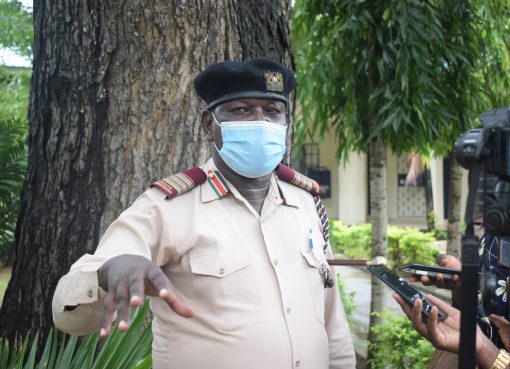
Speaking in Mombasa, Dr Mohammed Omar, Senior Principal Research Scientist at WRTRI’s Coastal and Marine Research Centre in Malindi, said the initiative has helped review management plans for marine protected areas, including Kisite Mpunguti Marine National Park and Reserve in Kwale.
“Through Go Blue, we have assessed management effectiveness, reviewed conservation plans, and conducted a cost-benefit analysis to show the value of marine resources in the Shimoni–Vanga seascape,” Dr. Omar said.
The analysis revealed that the cost of managing marine areas is far lower than the economic returns. Fisheries and tourism emerged as the biggest contributors, with the fisheries industry in Kwale supporting Kenya’s first fishing port and tourism generating significant income for communities through guiding and boat services.
To expand conservation, WRTRI, with community backing, is spearheading the process of designating a 700-square-kilometre Ramsar site in Kwale.
The designation, under the Ramsar Convention on wetlands of international importance, will raise Kenya’s marine protection from the current 0.67 per cent toward the global target of 30 per cent by 2030.
“Communities themselves recommended Ramsar designation because they already see the benefits of conservation through tourism and fisheries. Our role is to support them with science and policy so they can benefit more sustainably,” Dr. Omar noted.
Alongside conservation planning, WRTRI has trained 60 community members on natural resource management, financial management, entrepreneurship, marketing, and tourism. The training, piloted under Go Blue, is expected to evolve into a national marine leadership program to strengthen local capacity for the blue economy.
The institute has also mapped key biodiversity areas in Kwale County to guide county government decisions on conservation and resource use.
Dr. Omar said the Ramsar designation will not restrict communities but promote efficient use of resources.
“The aim is co-management between government and communities to ensure livelihoods are sustained while ecosystems are protected,” he said.
END…Conservation/Abuya/Ongaga
Photo: Dr. Mohammed Omar, Senior Principal Research Scientist at the Wildlife Research and Training Institute (WRTRI), addresses journalists in Mombasa on the progress of the Go Blue project and efforts to build community capacity for sustainable marine resource management.
One attachment • Scanned by Gmail