The private sector and civil society organizations have been urged to strengthen collaboration with the government in expanding access to justice across the country, particularly for vulnerable and marginalized members of society who often face barriers in obtaining legal services.
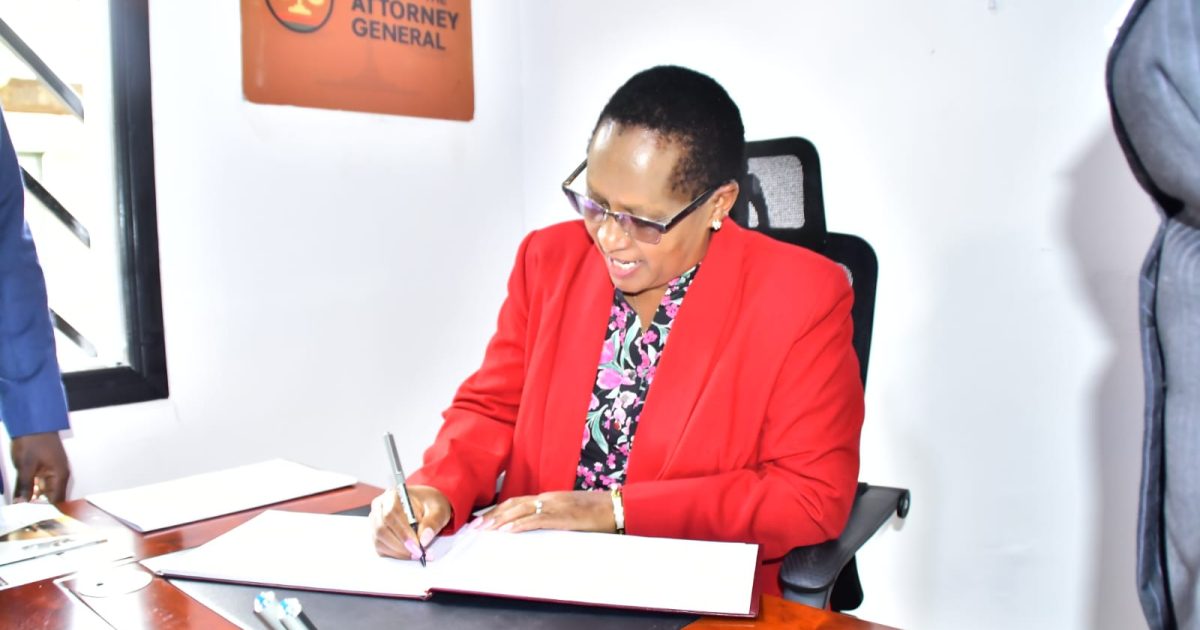
Speaking in Kenol during the launch of the Murang’a Legal Aid and Justice Centre, State Department for Justice, Human Rights and Constitutional Affairs Principal Secretary Judith Pareno said access to justice is a constitutional right and a shared responsibility that requires coordinated efforts by the national and county governments, civil society organizations, the private sector and development partners.
She said the newly established centre would provide free legal aid and legal representation to eligible persons while addressing legal barriers that continue to prevent many Kenyans from accessing justice.
Pareno noted that the centre would focus on a wide range of legal matters, including land disputes, succession and administration cases, children’s matters, civil disputes, constitutional rights, public interest litigation and other issues affecting vulnerable members of society.
She said the government remained committed to ensuring justice is available to all citizens regardless of their financial status.
“I commend the private sector and civil society organizations for partnering with the government in this important initiative. Access to justice is one of our constitutional commitments and should never be a privilege reserved for those who can afford legal services. It is a right that every Kenyan deserves to enjoy,” she said.
The Principal Secretary said the State Department for Justice, Human Rights and Constitutional Affairs was implementing measures to decentralize legal services and make them more accessible to communities across the country.
She revealed that the government has deployed 98 State Counsels under the National Legal Aid Service (NLAS), with two officers assigned to every county to provide legal assistance and representation to eligible persons.
According to Pareno, the deployment has significantly enhanced the government’s capacity to deliver legal aid services closer to communities while reducing bureaucratic obstacles that often discourage vulnerable people from seeking justice.
She added that strengthening legal aid services would also contribute to promoting fairness, equality and the protection of human rights while enhancing public confidence in the justice system.
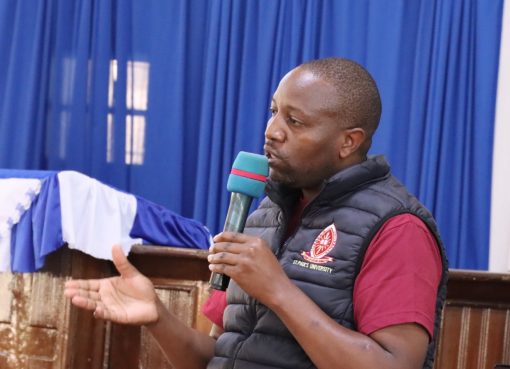
National Legal Aid Service Chairperson William Musyoki urged Kenyans to embrace Alternative Dispute Resolution (ADR) mechanisms, saying not every dispute should necessarily end up before the courts.
He observed that mediation, arbitration and other community-based justice mechanisms provide faster, less expensive and more sustainable solutions to many disputes while helping reduce case backlogs in the judiciary.

“Civil society organizations could have chosen to compete with us, but they have instead partnered with us. This demonstrates that access to justice is a shared responsibility that transcends institutional boundaries. I encourage the people of Murang’a to make full use of the legal aid services available at this centre,” Musyoki said.
He emphasized that while litigation remains an important avenue for resolving disputes, many conflicts can be settled amicably through dialogue and alternative justice systems, thereby preserving relationships and reducing the cost of legal proceedings.
“Not all disputes must end in court. We need to embrace alternative justice mechanisms while ensuring that justice remains at the centre of every society,” he added.
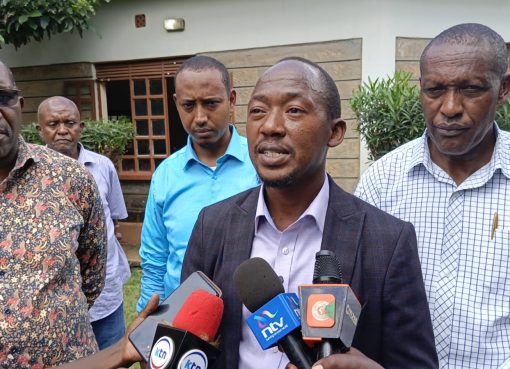
Haki Africa Director Yusuf Abboubakar underscored the close relationship between justice, peace and economic development, saying businesses can only flourish in an environment characterized by stability and respect for human rights.
He urged the government to continue engaging citizens and addressing grievances raised by members of the public to strengthen national cohesion and foster sustainable development.
“We cannot remain in perpetual confrontation with the government because peace and security are critical for businesses and communities to thrive. As civil society organizations, we urge the government to continue listening to wananchi and to address pending compensation for victims affected during protests,” said Abboubakar.
He added that sustained dialogue between government institutions and citizens would help build trust, reduce tensions and create an enabling environment for investment and economic growth.
Representing the private sector, Del Monte’s Wayne Cook reaffirmed the company’s commitment to supporting government efforts aimed at strengthening communities through improved access to justice and respect for human rights.
Cook said responsible business conduct requires companies to recognize and address human rights risks that may affect both communities and business operations.
“We support government initiatives that strengthen community trust by advancing access to justice for all. Responsible business conduct is anchored on respect for human rights because we understand that a stable and just society creates a conducive environment for sustainable business operations,” he said.
Murang’a County Commissioner Hassan Ali Bule encouraged residents to take advantage of the free legal services offered at the newly launched centre, noting that the facility represents the government’s commitment to decentralizing services and ensuring justice reaches even the most remote communities.
“Let this investment not go to waste. Residents should utilize the free legal aid services available because the government is committed to bringing services closer to the people, especially those living in remote areas,” he said.
The County Commissioner said National Government Administration Officers (NGAOs) would work closely with local leaders to create awareness about the availability of the legal aid services and ensure that residents who require assistance are referred to the centre.
He added that the recently established National Government Administrative Elders would complement these efforts by sensitizing communities on the availability of free legal services, particularly in underserved areas.
Officials noted that under Section 36 of the Legal Aid Act, persons eligible for legal aid include Kenyan citizens who meet the prescribed criteria, children, refugees recognized under the Refugees Act, victims of human trafficking, internally displaced persons and stateless persons.
Legal aid services are provided through state counsels, accredited agency lawyers, probation officers, mediators, arbitrators, paralegals and pro bono advocates working under the National Legal Aid Service framework.
By Florence Kinyua and Joshua Kyalo