The National Government has stepped-up efforts to enhance safety, transport, and economic opportunities along Lake Victoria through a Sh4.6 billion major infrastructure and training programme spearheaded by the Kenya Maritime Authority (KMA).
The initiative, dubbed Lake Victoria Maritime Communication and Transport project, aims at improving safety, strengthening regulation, and expanding economic opportunities across the Nyanza region.
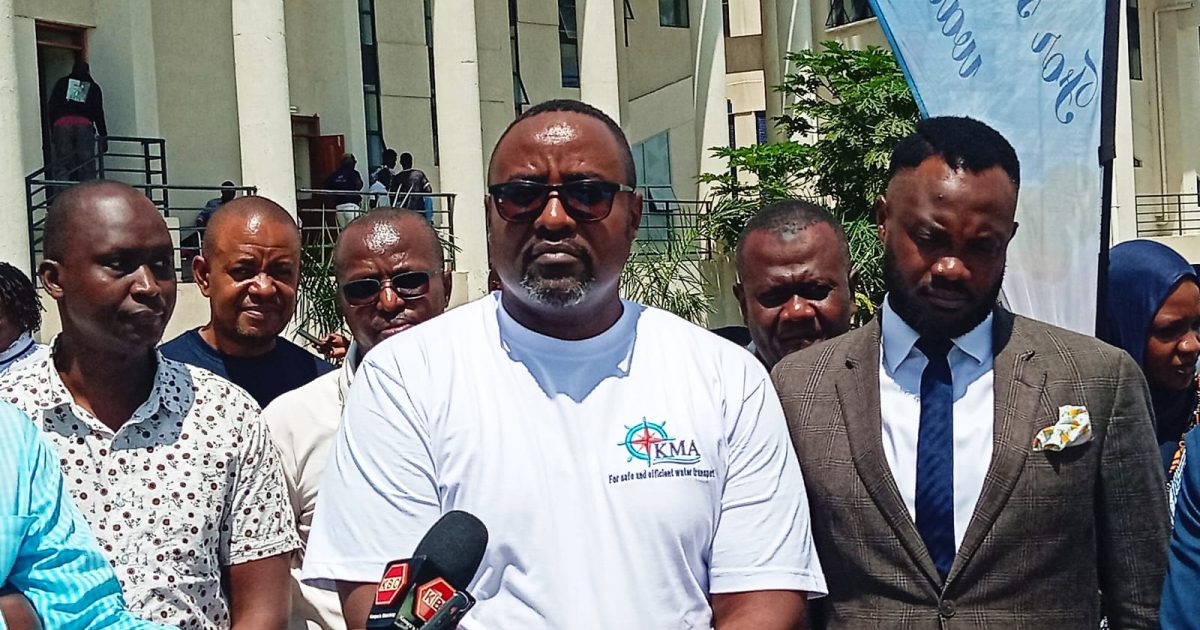
Speaking at Tom Mboya University in Homa Bay town, KMA Nyanza Regional Director, Henry Mosaru, said the initiative targets key challenges affecting transport and livelihoods in Lake Victoria, particularly in areas with high vessel activity.
“We are here to ensure that this project is fully implemented within the Nyanza region. Homa Bay carries the largest share of vessels on the lake, and this demands a strong safety framework to protect those using these waters,” Mosaru said.
The project focuses on enforcing a proactive safety regime, including mandatory training for vessel operators and certification of boats, to meet national laws and international standards.
Mosaru confirmed that the government is setting up maritime sub-centres in Busia, Siaya, Homa Bay, and Migori, while a central Search and Rescue Coordination Centre in Kisumu is nearing completion.
The Kisumu hub will oversee emergency response operations across the lake.
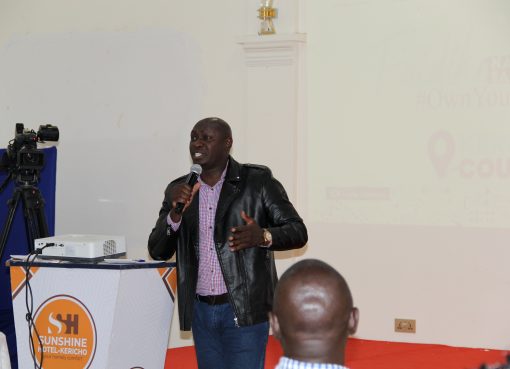
Deputy Director of Maritime Safety at the Kenya Maritime Authority (KMA), Oliver Maina, said the Sh4.6 billion investment will address root causes of persistent problems in the lake.
“Lake Victoria is facing myriad challenges that include substandard vessels, untrained personnel, marine pollution, and declining fish stocks,” Maina said, adding, “We are taking a comprehensive approach to improve safety and sustainability.”
As part of the reforms, KMA services will be decentralized, allowing fishermen to access vessel inspection and certification services within their counties instead of traveling to Mombasa.
The Authority will also regulate boat construction by registering and certifying boat builders to eliminate unsafe vessels.
To improve safety, the government is rolling out a program to make life jackets more affordable. Currently costing between Sh2,000 and Sh3,000, the jackets remain out of reach for many fishermen.
Through a youth empowerment initiative, about 400 youths will be trained in tailoring and specialized life jacket production, with the aim of reducing prices to around Sh1,500.
Maina also highlighted the high cost of compliance in the sector, noting that fishermen are required to invest heavily in standard vessels, engines, and certified operators.
To address this, the government will further train and certify 15,000 coxswains free of charge under a Recognition of Prior Learning (RPL) program, ensuring that all boat operators are licensed within the next three years.
“In future, no one will be allowed to operate a vessel on the lake without proper certification,” Maina said.
The project also includes a broader youth empowerment component targeting international employment opportunities.
About 1,000 youths from the region will undergo specialized maritime training, 500 in the engine department and 500 in the navigation department, to prepare them for jobs aboard ships operating in international waters.
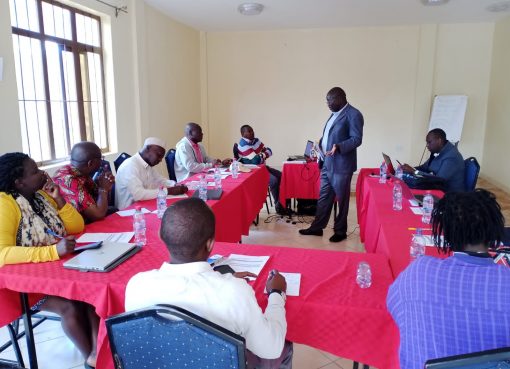
Major (Rtd.) Franklyne Toniok, the Head of the School of Nautical Science at Bandari Maritime Academy, said the institution will play a central role in delivering training under the project.
“We are part of this project courtesy of KMA, and we will support the delivery of training across the lake region. We are going to train over 17,000 youths across the five counties of Homa Bay, Busia, Migori, Kisumu, and Siaya,” Toniok said.
He explained that the training will largely be conducted under the RPL framework, which assesses existing skills among those already working on the lake and addresses identified gaps before certification.
“This approach recognizes that many already have experience operating boats. We only assess the gaps, train them, and certify them. The licenses will enhance employability not only within the lake but also in international waters,” he said.
Toniok noted that beyond coxswain training, the program will include courses such as engine room ratings (AB Engine) and deck ratings (AB Deck), preparing trainees for support roles aboard ships.
Additional training will focus on food and beverage services, housekeeping, and accommodation, targeting opportunities in the global cruise ship industry, with structured pathways linking trainees to employment.
The program will also include engine mechanics training, enabling local fishermen to repair boat engines within their communities, reducing downtime and improving efficiency in fishing operations.
Statistics from KMA show that between 2015 and 2025, Lake Victoria recorded 420 accidents, 146 of them fatal, leading to 256 deaths.
About 80 percent of these fatalities were due to drowning, often linked to the absence of life jackets.
To further enhance safety, the government is introducing a Maritime Safety Information System that will provide fishermen with real-time weather updates and navigational alerts.
By Sitna Omar