By H, KNA
Kwale Governor, Fatuma Achani, has called on the youth in the coastal county to shun crime, as well as drugs and substance abuse and take advantage of the ongoing county and national government economic empowerment programs.
Governor Achani underscored that her administration together with the national government were both committed to youth economic empowerment.
Achani said equipping young people with essential practical skills remains a priority for her administration.
She said the county recently launched a Sh30 million Technical and Vocational Education and Training (TVET) fund as part of its commitment to strengthening TVET as well as up-skilling artisans.
Achani said the establishment of the TVET fund was part of an ambitious agenda to reposition technical and vocational education training across the coastal county.
She affirmed that the devolved government is determined to equip local youth with the competencies necessary to drive economic growth, create employment and ‘reposition Kwale as a leading hub of skilled labour in the coastal region’.
The Governor emphasized her administration’s dedication to economic empowerment and poverty reduction through TVET development in enhancing livelihoods and creating economic opportunities.
The coastal county boss cautioned the youth against social vices like drug and substance abuse and criminal activities warning that the choices they make today would shape their future.
She warned youths against getting involved in illicit drugs such as cocaine, heroin, marijuana, and methamphetamine as it is dangerous and harmful to human survival.
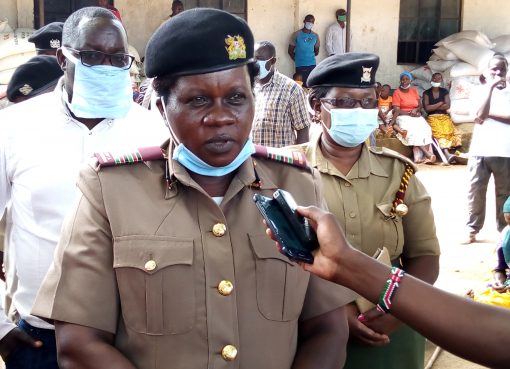
Achani who was accompanied by Msambweni sub county, Deputy County Commissioner (DCC), Joseph Mutisya, was speaking in Diani town after meeting a group of youth who abandoned crime and chose peace and productive engagement.
Diani and Ukunda townships have in the past experienced a wave of violent attacks by juvenile gangs known as the ‘Panga Boys’ that terrorized residents and tourists in broad daylight.
The Governor thanked the youth in the sub county for abandoning crime and choosing a path of peace and self-development.
“As a devolved government we would continue to prioritize programmes and projects that would give the youth a fair shot at life,” she said.
She added, “my administration will continue working closely with all stakeholders especially parents and community leaders to ensure Diani, Ukunda and other parts of Kwale county remain safe and peaceful.”
The notorious gangs referred to as ‘Panga boys’ have long been known for terrorizing residents and tourists with a string of criminal activities.
The machete-wielding gangs have in the recent past unleashed terror in various sub-counties within Kwale, with Msambweni and Matuga bearing the brunt.
Governor Achani gave the youth group that has transformed to law abiding citizens a company certificate to enable them to qualify for tenders and contracts at both county and national levels.
Achani, Kwale’s first woman governor also assured that her administration will continue to prioritize women and youth advancement in governance, economic participation and social development.
“To date, the county has registered over 300 companies owned by women, youth, and persons living with disabilities, with at least 150 companies having successfully secured tenders from the county government,” she said stressing that when women prosper the community prospers.
She added ‘we cannot employ everyone, but we can come up with ideas to create opportunities for people to earn a living,’.
Governor Achani emphasized that the formation of companies is a strategic approach to tackling unemployment in the county.
“This is not just about awarding tenders; it’s about restoring dignity and creating sustainable livelihoods. Kwale remains committed to supporting marginalized groups by providing them with economic opportunities,” she said.
The Governor also urged the youth to take advantage of the National Youth Opportunities Towards Advancement (NYOTA) program, a nationwide initiative aimed at empowering young people.
The NYOTA project seeks to tackle the significant challenge of youth unemployment through skills training, entrepreneurship support, mentorship and linking young people to employment opportunities.
She said NYOTA reflects a bold and unwavering commitment in addressing the problem of youth unemployment and building a prosperous future for all.
Achani said the youth initiative will position the country as a beacon of hope, progress, innovation, and shared prosperity.
On his part DCC Mutisya has called on youth to steer clear of drug abuse and criminal activities and focus on their dreams.
He also called on the youth to utilize the various empowerment programs initiated by both the national and county governments for their own benefit.
“The county and national government has laid out numerous opportunities for young people from training to business support. It’s now up to our youth to step forward, take initiative, and shape a better future for themselves, one that keeps them away from crime and drug abuse,” he added.
Mutisya who has promised zero tolerance for crime in Msambweni sub county urged the young people to avoid drug abuse highlighting the mental health issues it can cause.
“Our security agencies would leave no stone unturned in eradicating the menace of hard drugs in Msambweni and Kwale at large,” he said.
Mutisya called on the relevant stakeholders to join hands with the national, county governments and the National Authority for the Campaign Against Alcohol and Drug Abuse (NACADA) in putting an end to the drug menace in the coastal region.
The administrator also called on families to inculcate proper upbringing in their children to stem the tide of violence in parts of the county.
The DCC said it is the responsibility of the parents to ensure that their children grow to become responsible and respectful citizens.
Residents, led by elder Tsimba Rungu, thanked the county for organizing the security sensitization forum, saying it would help youths who have decided to abandon crime become productive members of society.