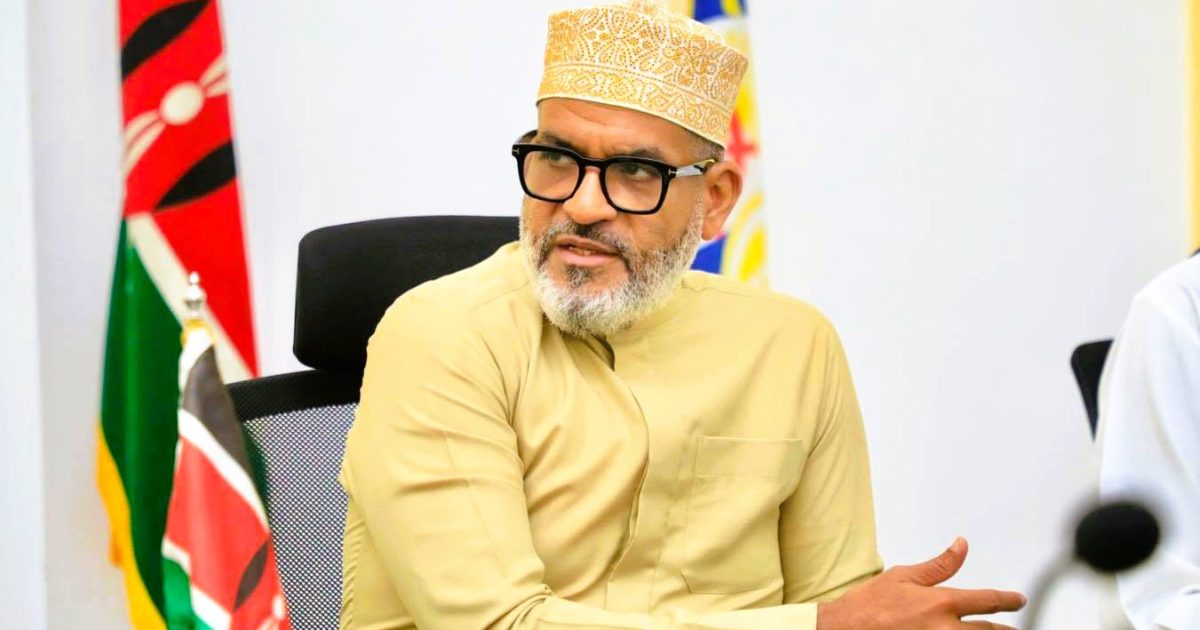
Mombasa Governor Abdulswamad Shariff Nassir has called for concerted action by government agencies, communities, civil society organisations and other stakeholders to combat the growing menace of illicit drugs and substance abuse among young people in the coastal county.
Nassir described drug and substance abuse as a major public health and social challenge with far-reaching consequences, saying the increasing number of drug-related illnesses was putting enormous pressure on health facilities, families and communities.
“There is a need for all stakeholders to work together to effectively tackle the growing drug menace in Mombasa,” he said.
The governor said the county government had intensified awareness campaigns on the dangers of drug and substance abuse while working with national agencies and community organisations to strengthen prevention, rehabilitation and support services for affected persons.
He also urged security agencies to intensify surveillance, enforce laws against the sale and consumption of illicit substances and arrest individuals involved in drug trafficking.
Nassir said the county government, in collaboration with stakeholders, was organising the inaugural Mombasa Mega Marathon themed “Stride for a Drug-Free Generation” as part of efforts to raise awareness and promote healthy lifestyles among young people.
The anti-drug marathon will be held on Sunday, August 16, 2026, at Mama Ngina Waterfront Park, a seaside public facility overlooking the Kilindini Channel.
He said the county would support local initiatives and groups involved in fighting drug abuse through public awareness campaigns, sporting activities and medical rehabilitation programmes.
Nassir, who is also the chairperson of the Council of Governors Committee on Health, said the county would work with rehabilitation centres to help people affected by addiction recover and reintegrate into society.
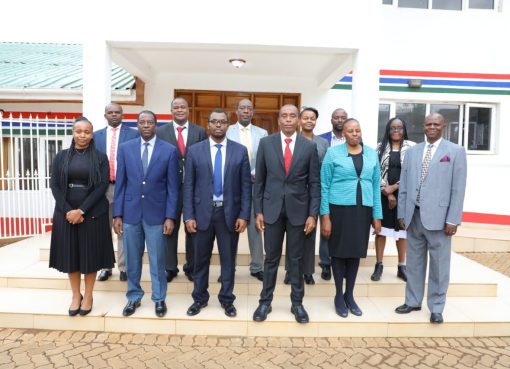
He spoke when he held talks with the Board of Directors of Reach Out Centre Trust, a civil society organisation working in the coastal region to expand access to healthcare and rehabilitation services.
The organisation provides prevention and intervention services through outreach, advocacy, education, rehabilitation and public sensitisation.
Nassir said partnerships between the county government, national agencies, civil society organisations and communities were critical in addressing the root causes of drug abuse and ensuring that affected young people received appropriate support.
Taib Abdulrahman, Executive Director of Reach Out Centre Trust, said the organisation had established two community-focused facilities in Likoni Sub-County to improve access to healthcare and rehabilitation services.
The facilities include a community dispensary providing primary healthcare services and a Level 3B Drug Rehabilitation and Treatment Centre offering comprehensive support to people affected by substance use disorders.
Abdulrahman said prevention should remain a priority because rehabilitation alone could not adequately address the growing drug problem.
“While rehabilitation has its place, priority should always be preventing young people from becoming victims of drug abuse in the first instance,” he said.
He said stakeholders needed to address the underlying causes of substance abuse instead of concentrating solely on treatment after addiction had developed.
“We must address the root causes of the problem rather than focusing solely on rehabilitation,” Abdulrahman said.
He expressed concern over the increasing availability of illicit drugs on the streets, saying easy access continued to expose young people to substance abuse.
“Through sustained partnership and coordinated action, we remain committed to contributing to effective, inclusive, and evidence-based responses that enhance the wellbeing and resilience of our communities,” he said.
The governor’s call comes amid intensified efforts by security agencies to disrupt drug trafficking along the coast.
Coast Regional Police Commander Ali Nuno said last week that police had arrested 27 suspects and seized narcotics valued at Sh51.5 million during a three-month crackdown on drug trafficking in the region.
Nuno said the operations resulted in the recovery of 10,700 kilogrammes of cannabis sativa, 7,000 grammes of heroin, 1,330 grammes of cocaine and 205 grammes of methamphetamine.
“We remain committed to disrupting the illicit drug trade and dismantling all drug trafficking syndicates and protecting our youth from the vice,” he said.
According to the National Authority for the Campaign Against Alcohol and Drug Abuse (NACADA), Mombasa has the highest prevalence of drug and substance abuse in Kenya at 34.4 per cent.
NACADA data show that commonly abused substances in the county include alcohol, cannabis, miraa and muguka, prescription drugs, heroin and cocaine, with young people among those most affected.
The agency has warned that the use of hard drugs among young people in the coastal counties of Mombasa, Kwale and Lamu has reached worrying levels despite sustained campaigns against the vice.
Mombasa has one major national public drug rehabilitation facility, the Miritini Treatment and Rehabilitation Centre, operated by NACADA, alongside youth and community-based support facilities established by the county government and other organisations.
By Hussein Abdullahi