Mental health distress, particularly among young people, has been described as one of the most pressing crises facing the country, driven largely by harsh economic conditions and rising unemployment.
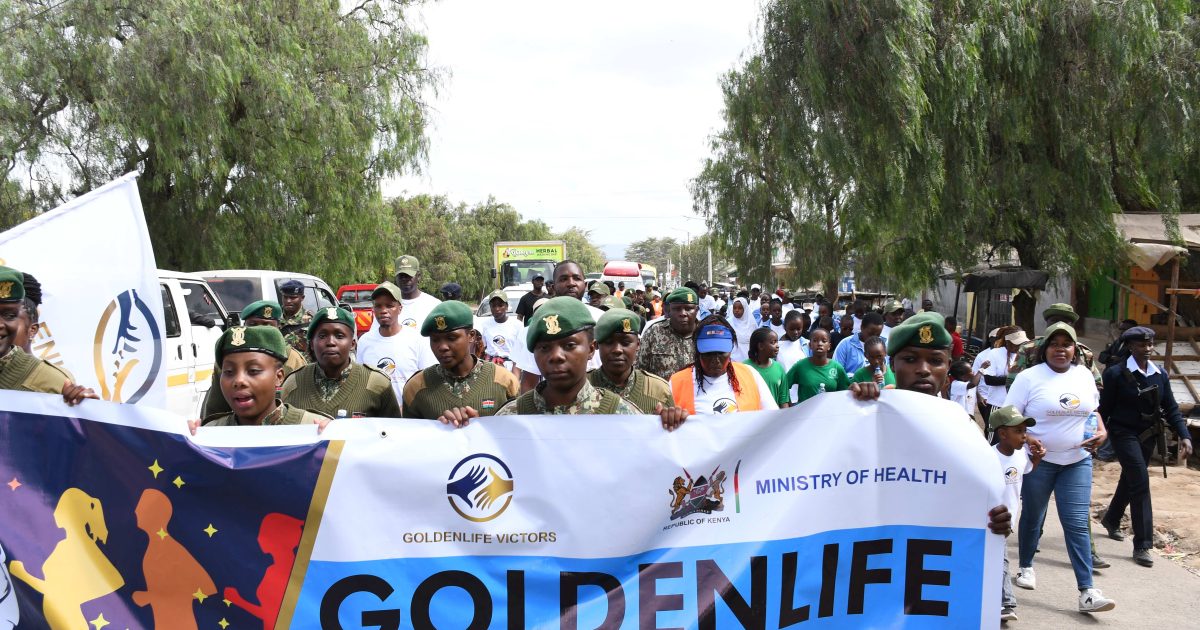
Advocates speaking during a mental health awareness walk in Naivasha, warned that the situation was worsening, with increasing numbers of young people turning to drug and substance abuse as coping mechanisms, while suicide cases linked to mental health stigma continued to rise.
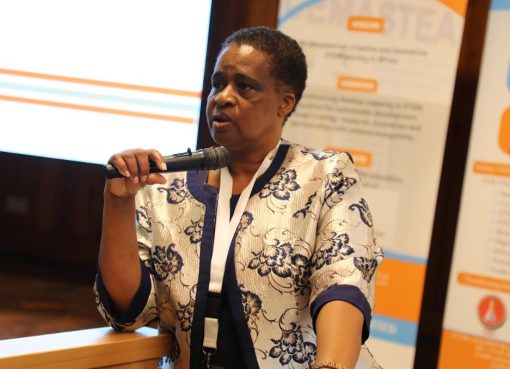
Jamila Angela, Director of Golden Life Victors Rehabilitation Centre in Naivasha, said the country was grappling with an escalating mental health burden, with financial hardship emerging as a primary trigger.
“Out of every four Kenyans, one person is living with a mental health condition, a worrying trend that demands an immediate response,” Angela said.
She acknowledged the progress by the government through the establishment of mental health units at major hospitals, but cautioned that stigma remained the single greatest barrier preventing affected persons from seeking help.
“We have witnessed a sharp rise in suicide cases in recent times with most of the cases going unreported because of the stigma attached to mental illness,” she said.
Angela said her organization was actively conducting awareness campaigns in local churches and schools, and had trained community mental health champions to encourage open dialogue.
On his part, Goodwill Omondi, a travelling psychologist attributed the rise in mental health cases to a combination of harsh economic conditions, mounting stress and the absence of safe spaces for individuals to speak openly about their struggles.
Omondi praised Parliament’s recent move to decriminalize suicide in Kenya, saying it was a significant step towards reducing stigma and enabling more people to seek help without fear of legal repercussions.
“Stigma has been the biggest barrier, especially for young people and decriminalizing suicide sends a clear message that those who are suffering should feel safe to speak up,” he said.
Charles Mwangangi, who is currently undergoing rehabilitation after a two-year struggle with alcohol dependency linked to mental health distress said seeking professional help rescued him.
“I suffered from mental health issues and turned to alcohol after losing my formal employment, but it resolved nothing, that is why I eventually sought professional help,” Mwangangi said.
He called for the creation of more safe spaces where individuals could address their challenges without fear of judgement.
Koech Kiplangat, captain of a Naivasha-based cycling club, said organised sporting activities could play a significant role in supporting mental health within communities, by providing structure, social connection and a healthy outlet for stress relief.
According to World Health Organisation (WHO), fewer than 10 per cent of those affected in low- and middle-income countries, including Kenya, receive inadequate treatment, largely due to a critical shortage of mental health professionals, limited funding and increased stigma.
Parliament has already passed legislation decriminalizing attempted suicide which was previously an offence, a move that was welcomed by mental health practitioners as a milestone in reducing the stigma.
by Erastus Gichohi