The Ministry of Health has stepped up preparedness for possible disease outbreaks linked to the anticipated 2026/2027 El Niño rains.
According to the ministry, particular focus will be on typhoid, cholera, dysentery, and other water- and food-borne illnesses.
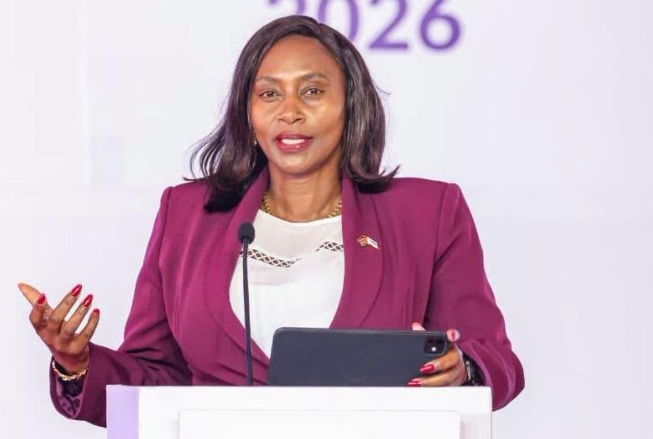
In a press release, Principal Secretary for Public Health and Professional Standards Mary Muthoni Muriuki said heavy rains, flooding, and displacement could increase the risk of disease transmission, particularly where floodwater contaminates drinking-water sources and sanitation systems.
The ministry, she explained, has activated a multi-sectoral El Niño contingency plan to coordinate preparedness and response efforts by the national and county governments, emergency agencies, humanitarian organisations, and development partners.
“We seek to strengthen early disease detection, rapid response, and continuity of essential health services in areas likely to be affected by flooding,” she said.
The PS further said that county health teams are being supported to enhance routine and event-based disease surveillance, investigate alerts, and deploy rapid-response teams when necessary.
Laboratory preparedness is also being enhanced through increased capacity, strengthened sample-referral networks, and availability of reagents and rapid diagnostic tests for priority diseases, including typhoid and cholera.
“The ministry is further quantifying and pre-positioning essential medicines, laboratory supplies, infection-prevention materials, nutrition commodities, and emergency kits at regional, county, and health facility levels,” she noted.
Muriuki said that the government is also intensifying measures to protect water and sanitation systems, including water-quality surveillance, chlorination and disinfection of contaminated water sources, household water treatment, and deployment of mobile water-treatment units where necessary.
Counties, she explained, are strengthening contingency plans to ensure continuity of healthcare during emergencies, including referral and evacuation arrangements, ambulance services, temporary and mobile clinics, backup power, and essential outreach services.
“Priority will be given to vulnerable groups, including pregnant women, children, older persons, and people living with chronic conditions,” she said in the statement.
Community Health Promoters and Primary Care Networks, the PS added, will play a key role in educating households on early warning signs, safe water treatment, food hygiene, and sanitation, while helping to counter misinformation and link affected families to health services.
The ministry is working with county governments and partners, including the Kenya Red Cross Society, National Disaster Operations Centre, National Disaster Management Unit, Kenya Medical Supplies Authority (KEMSA), Kenya Medical Research Institute (KEMRI), water and sanitation agencies, and international organizations.
Among the partners are the World Health Organization, UNICEF, UNFPA, the World Food Programme, the International Organization for Migration, UNHCR, UNOCHA, St. John Ambulance, Malteser International, and Médecins Sans Frontières.
The PS urged residents, particularly those living in flood-prone areas, to drink boiled or appropriately treated water and store it in clean, covered containers.
She also advised the public to observe hand hygiene, cook food thoroughly, wash fruits and vegetables with safe water, and avoid consuming food that has been exposed to floodwater.
Residents have further been urged to seek medical attention early if they develop persistent fever, severe headache, abdominal pain and vomiting, diarrhea, blood in stool, unusual weakness, or signs of dehydration.
Muriuki, however, cautioned the public against self-medicating with antibiotics and to follow evacuation and safety instructions issued by authorities, saying that the ministry will continue monitoring meteorological and disease surveillance information, updating risk assessments, and supporting counties and partners as the situation evolves.
By Wangari Ndirangu