Residents of Murang’a County are feeling the pressure of rising food prices, with the cost of potatoes increasing significantly amid higher fuel and transportation costs.
A spot check at Mukuyu Market in Murang’a town on Wednesday established that a kilogramme of potatoes is retailing at about Sh170, up from Sh100 two months ago.
Vegetable traders attributed the increase to higher fuel prices, which have raised the cost of transporting farm produce from production areas to markets.
Eric Mwangi, a vegetable seller at the market, said increased transportation costs had affected potato supplies, with farmers and traders struggling to meet the additional cost of moving produce.
“There is less supply of potatoes because the increase in fuel prices has also made transportation more expensive,” said Mwangi.
He said traders were being forced to adjust their prices to cover increased transport expenses, a situation that was ultimately affecting consumers.
The rising cost of potatoes is adding pressure on household budgets, with consumers reducing the quantities they purchase or removing the commodity from their shopping lists.
Dorcas Kimani, a buyer at the market, said the rising cost of food was forcing families to make difficult choices when shopping.
“The prices of tomatoes and onions have gone down, which is a relief, but potatoes are now expensive. I have to budget carefully when buying them and sometimes I just have to leave them out,” said Kimani.
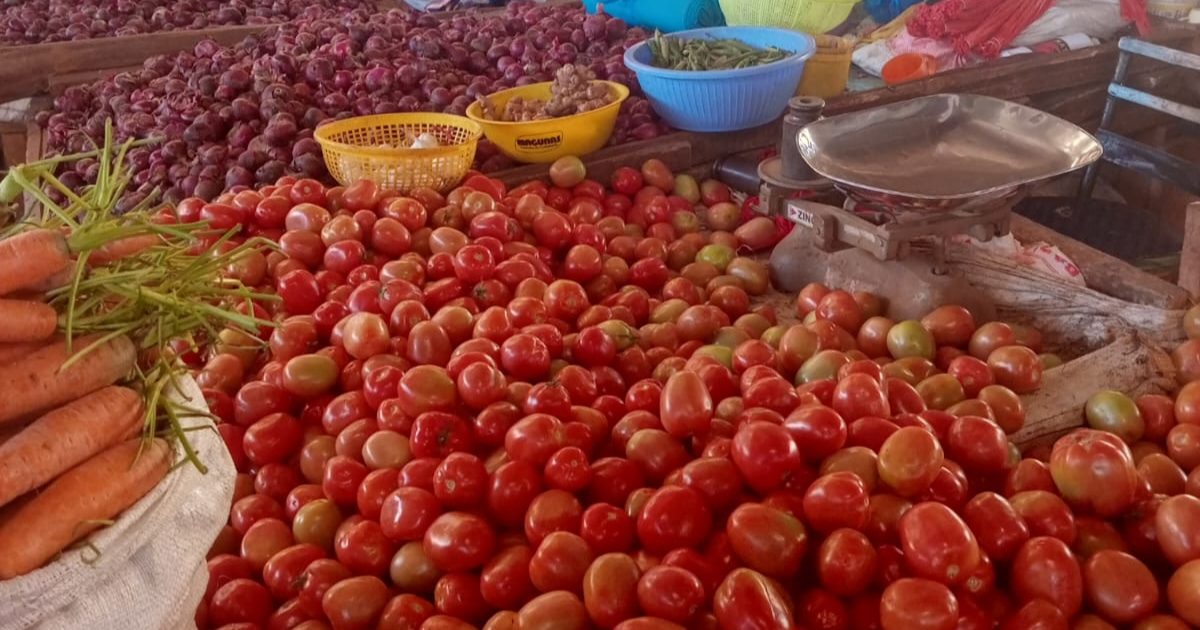
While potato prices have increased, consumers have received some relief from lower prices of tomatoes and onions.
A kilogramme of tomatoes is currently selling at about Sh50, down from Sh60, while onions have dropped from Sh120 to approximately Sh100.
Traders attributed the decline to increased supplies from neighbouring production areas, where farmers have been bringing more vegetables to the market.
The contrasting price movements have highlighted the impact of transport costs on food prices, particularly for commodities moved over long distances from farms to urban markets.
Farmers and traders incur costs for fuel, vehicle hire, loading and other logistics, which are eventually reflected in the retail prices paid by consumers.
Mwangi said potato traders were hoping for an improvement in supplies and stabilization of transportation costs to enable them to offer the commodity at more affordable prices.
Consumers, meanwhile, said they were closely monitoring market prices as they sought to cope with the rising cost of living.
Kimani said households were prioritising essential food items and adjusting their purchases depending on daily prices.
The traders said stable fuel prices and improved road and transport infrastructure would help reduce the cost of moving farm produce and, in turn, ease pressure on consumers.
The situation has also underscored the link between transport costs and food affordability, with increases in fuel prices capable of affecting the final price of agricultural produce even when farm-gate prices remain relatively stable.
Consumers are now hoping that improved potato supplies, lower transportation costs and increased market competition will help stabilize prices in the coming weeks.
By Purity Mugo and Tecla Lepojos