The State Department for Mining and the Environment and Land Court have launched a three-day conference in Kwale County, aimed at strengthening collaboration between the Executive and the Judiciary in the governance of Kenya’s mineral resources.
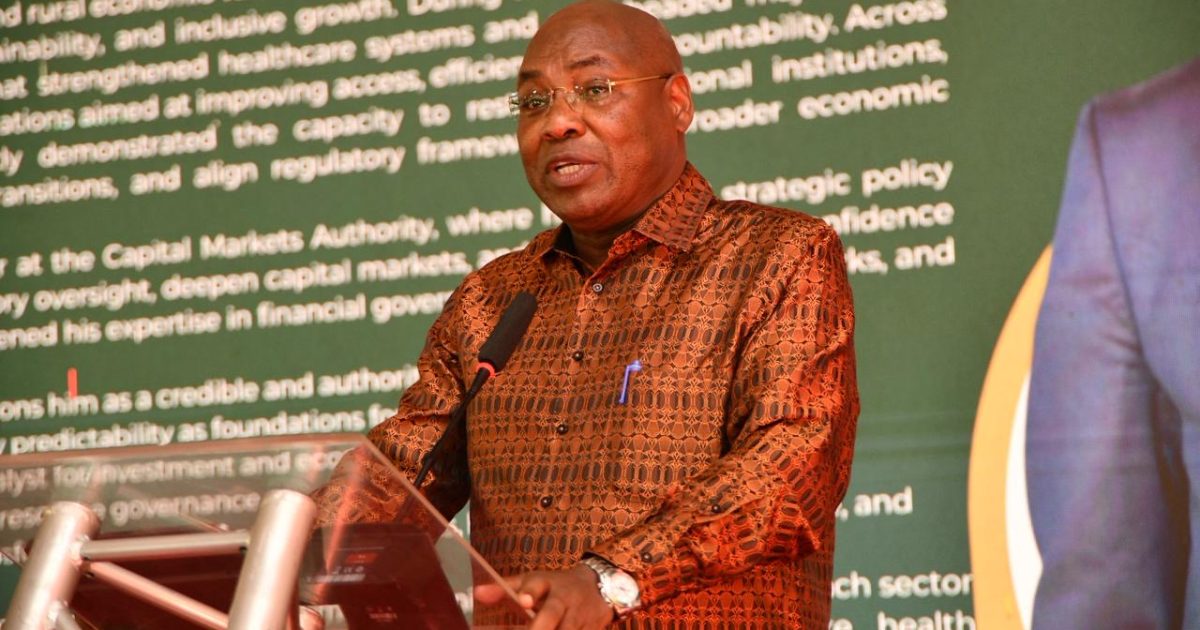
Speaking during the opening of the conference in Diani, Principal Secretary for Mining Harry Kimtai said the forum was designed to foster a better understanding of the mining sector among judges while promoting institutional dialogue on emerging legal, environmental and community issues in the extractive industry.
Kimtai noted that the conference was born out of a shared recognition by both the Judiciary and the State Department for Mining that closer engagement was necessary to improve service delivery to Kenyans.
“We are all stakeholders serving one customer which is the Kenyan citizen who needs justice and who needs services to be provided. We felt we needed to engage directly because mining is a very complex venture,” he said.
Kimtai described mining as a capital-intensive industry that requires balancing mineral extraction with environmental conservation and restoration.
He said the conference programme had been carefully structured to expose judges to the legal and regulatory framework governing the sector, community and environmental obligations, and emerging challenges shaping the future of mining in Kenya.
“You will hear from technical experts within the State Department, the Mineral Rights Board, industry practitioners and small-scale miners so that we can all better understand the sector from both policy and operational perspectives,” he said.
The PS added that participants would undertake a field visit to former mining sites in Kwale to gain practical insights into the full mining lifecycle, including post-mining rehabilitation and environmental restoration.
“We want the judges to understand what happens from the beginning of mining to the end, and what happens after extraction ceases. We want to understand both the benefits of extraction and how the environment can be restored,” he noted.
Kimtai emphasized that the Environment and Land Court was a key partner in the governance of Kenya’s mineral resources adding: “The State Department for Mining regards the Environment and Land Court not as a distant oversight body but as a genuine partner. It is our hope that this engagement marks the beginning of a sustained and productive relationship between our institutions.”
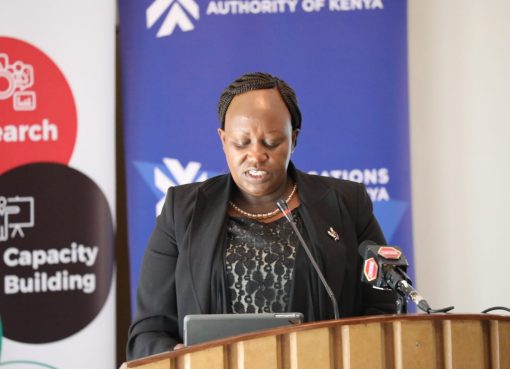
Kwale Governor Fatuma Achani welcomed the conference to the County, describing Kwale as a significant player in Kenya’s mining industry and an ideal venue for discussions on sustainable resource management.
“The choice of Kwale is both timely and significant. Our county is blessed with substantial mineral resources and has been at the centre of Kenya’s mining sector for many years,” she said.
Achani stressed that the success of natural resource management should be measured by the extent to which local communities benefit from the resources extracted from their areas.
“Host communities must not be spectators in the exploitation of mineral resources. They must be active beneficiaries through employment opportunities, local business participation, skills development, infrastructure improvement and benefit-sharing arrangements,” she said.
The governor underscored the importance of public participation before the commencement of mining projects, noting that meaningful engagement helps build trust, reduce disputes and strengthen social acceptance of mining operations.
“Communities have a constitutional right to be informed, consulted and involved in decisions that affect their lives and livelihoods,” she said.
Achani also called on mining companies to implement impactful corporate social responsibility programmes that address the genuine needs of host communities.
“Investments in education, healthcare, water access, environmental conservation, youth empowerment and livelihoods help create lasting partnerships between miners and local residents,” she said.
While acknowledging the economic potential of mineral development, the governor urged investors and government agencies to prioritize environmental protection and ecosystem restoration.
“Economic development and environmental stewardship must go hand in hand if we are to achieve sustainable development for present and future generations,” she said.
Achani further advocated for value addition of minerals at source, arguing that exporting raw minerals deprives local communities of employment opportunities and other economic benefits.
“Processing, refining and manufacturing closer to mining areas creates jobs, develops local skills, stimulates enterprise growth and ensures communities derive greater economic benefits from the resources found in their localities,” she said.
The conference brings together judges from across the country, officials from the State Department for Mining, members of the Mineral Rights Board, mining industry representatives and small-scale miners to discuss legal, environmental and governance issues affecting the sector.
By Chari Suche