Stakeholders in the tourism sector in Nakuru are re-strategising the industry to mitigate against a downturn caused by rising water levels, particularly at Lake Naivasha, which has flooded several resorts and tourism sites.
According to the Nakuru County Tourism Association (NCTA) Chairman, Mr David Mwangi, the Association is engaging its over 400 members, the Kenya Tourism Board (KTB) and other state agencies to encourage uptake of Water-Based Tourism, to diversify from terrestrial to aquatic activities.
The Chairman noted that Nakuru is well endowed with various aquatic tourist attractions that include bird watching, boat safari tours, sport fishing, nature walks and kayaking water sports to explore the new and larger deep water areas.
Despite the flooding challenges, NCTA Chairman affirms that the area remains a premier destination for viewing wildlife, including over 400 species of birds.
Mr. Mwangi points out that while the expansion of the lake has submerged hotels, campsites and access roads, forcing many businesses to close and displacing thousands of residents, it has, on the flipside created new, lush wetland habitats attractive to various birds and wildlife, thus providing unique opportunities for eco-tourism marketing.
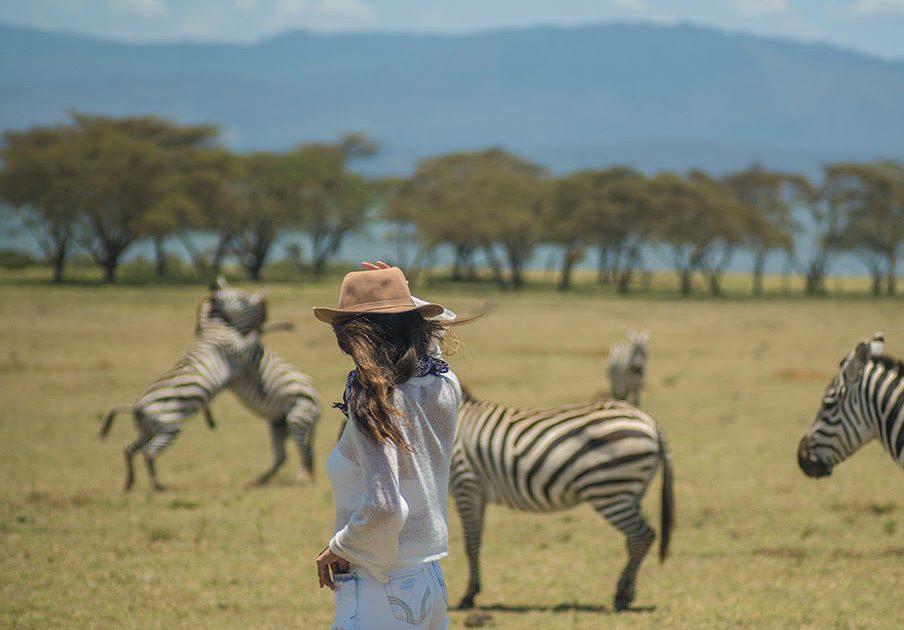
The scenic Crescent Island Game Sanctuary, located in the middle of Lake Naivasha, a premier Kenyan destination for daily boating and bird watching, is often described as a “Walking Park” because it has no predators and is well known for its high concentration of wildlife and diverse birdlife.
Mr Mwangi noted that the Island is a serene paradise, offering unique walking safaris, adding that surrounded by lake waters, it features incredible boat rides to spot hippos and over 200 bird species, including the iconic African fish eagle, offering a tranquil nature immersion.
The Island is home to the Maasai giraffe, gazelle, countless species of birds, hippopotamus, wildebeest, Defassa waterbuck (Kobus ellipsiprymnus defassa) and the largest snake in Africa the Central African Rock.
The NCTA Chairperson states that bird watchers will sight Osprey, Grey herons, Fish eagles, Marabou stork (Leptoptilos crumenifer), Malachite kingfishers, Pelicans, Cormorants, Whiskered terns and Grey-headed gulls among other bird species from the Island.
Through the initiative NCTA and its partners are highlighting the return of wildlife species that thrive in elevated water levels, including hippos and various bird species, while focusing on sustainable tourism practices that emphasize eco-tourism and environmental management, ensuring that new activities do not degrade the ecosystem or cause further pollution.
“Rising Lake Naivasha waters, while causing significant flooding and displacement, offer the tourism sector opportunities to rebrand and expand ‘blue economy’ activities. Key strategies include developing new boat tourism routes, promoting underwater heritage sites, and expanding floating eco-lodges. The focus is transitioning toward resilient, high-value water-based experiences and ecotourism,” elaborates Mr Mwangi.
He adds that to mitigate effects of rising lakes in Rift Valley that have negatively impacted wildlife sanctuaries in the region, players in the tourism industry in Nakuru County are also targeting a bigger share of revenue from Meeting, Incentives, conferences and exhibitions (MICE), a lucrative part of the tourism mix, business travels across the globe.
The MICE sector is an important contributor to the Kenyan economy. According to the Kenya Association of Travel Agents (KATA), the global MICE market, which involves travel for business-oriented purposes is valued at USD 877 billion and is expected to experience a compound annual growth rate of 7.5 per cent from 2024 to 2030. MICE is a niche of the travel and tourism industry
Mr Mwangi explains that the goal of MICE is to provide an enhanced, customised hospitality setting that brings together top professionals from various industries.
Mr Mwangi further notes that although wildlife safaris and prehistoric sites still remained attractive, the Association was also aggressively marketing alternative core tourism products that the county could offer from its diverse niches, including culture, cuisine, entertainment, sports, nature and medical tourism.
The Chairman says the county is blessed with many destinations that most tourists can visit, including little-known physical features such as waterfalls, craters, gorges and lakes; prehistoric sites; museums; and wild animals, among others.
He states that most local and foreign tourists only know of the generic attractions like the Lake Nakuru National Park and Hell’s Gate in Naivasha Sub-County. This, he notes, has not only put a strain on the facilities and capacity but has also left the tourism industry largely dependent on a few attractions.
“We have also been looking to grow domestic tourism through awareness drives to get the residents excited about the various destinations that their country has to offer. There are many Kenyans who are interested in travel but lack sufficient information,” he continues.
The Chairman adds, “We are committed to expanding areas that have previously not been showcased as well as those that require to be transformed into top travel experiences. Despite Kenya’s reputation as a hub of rich tourism, the focus has been largely on wildlife tourism, ignoring the several forms of tourism that the country has to offer. We are working with industry players such as hoteliers, tour companies and guides in drawing attraction to the hidden gems that our county has in store.”
Mr Mwangi disclosed that NCTA is also encouraging the private sector and local communities to develop “out of park” tourism activities, such as mountain hiking and biking. The Association is further encouraging visits to cultural and spiritual sites, cultural performances and community walks.
Lake Naivasha Crescent Camp Assistant Manager, Ms Judy Wairimu, points out that with higher water levels, operators can develop new boat trip routes, potentially turning the flooded areas into new tourist attractions.
The flooded landscapes, Ms Wairimu adds, create new habitats and underwater sites that offer potential for underwater archaeology and creating “underwater museums” to boost tourism.
The Assistant Manager reveals that the Resort is transitioning to flexible, boat-based activities to showcase the expanded ecosystem while upgrading its facilities to be more resilient against future flooding.
“We have been partnering with independent boat operators to increase our capacity to offer both our domestic and international visitors enhanced boat tours, sport fishing, and bird-watching expeditions that explore areas previously inaccessible, such as flooded woodlands,” she explains.
Ms Wairimu indicates that visitors always have a memorable boat ride experience, as reaching the Island requires a scenic boat ride from the mainland (commonly starting from areas like The Hook/Moi South Lake Road or various lodge docks).
She adds that during the 10 to 60-minute boat ride, visitors frequently spot hippos, flocks of flamingos and African fish eagles.
Ms. Wairimu commended Kenya for actively developing new and innovative tourism products beyond traditional safaris and beach holidays to enhance economic growth and create employment opportunities. This strategic shift, Ms Wairimu observes, aims to leverage untapped attractions and position Kenya as a more competitive global destination.
“Avitourism or avian tourism is travel and tourism that focuses on and highlights local birding opportunities. Bird watching is increasingly becoming more popular in Kenya, although at a trailing pace in comparison to wildebeest migration and the big five tourism,” states the Assistant Manager.
Tour guide and coxswain, Mr John Wanjahi, notes that the number of boating and birdwatching tourists visiting the island peaks between June to December.
Mr Wanjahi says that a boat ride from the mainland to the island provides views of the volcanic Crater Lake, large pods of hippos, and boat-based birding.
While the island is a year-round destination, the tour guide reveals that the dry season from June to October is best for wildlife spotting, while November to December offers green landscapes and superior birdwatching
Safu Jean, a French tourist resident at Naivasha Crescent Camp, says she was thrilled to walk safely among grazing wildlife, including giraffes, zebras, wildebeests, and waterbucks, making for an intimate, close-up experience as there are no predators on the island.
Ms Jean notes that the crescent-shaped island had offered her breathtaking views of the surrounding Great Rift Valley, including Mount Longonot, especially during sunrise and sunset boat trips.
By Jane Ngugi and Dennis Rasto