Murang’a County has stepped up preparations for the expected enhanced October-December short rains, with a multi-agency team putting in place measures to minimize the risk of floods, landslides and other weather-related disasters.
The preparedness meeting, chaired by Murang’a County Commissioner Hassan Bule on Friday, brought together various government departments and agencies to assess the county’s vulnerability and agree on measures to protect lives and property.
The Kenya Meteorological Department (KMD) has warned of the possibility of enhanced rainfall towards the end of 2026, with its State of the Climate report indicating a 58 to 61 per cent probability of El Niño conditions dominating between June and December.
The department says the phenomenon could enhance the October-November-December rains, particularly in eastern and central Kenya, while increasing the risk of flooding in vulnerable areas.
KMD says seasonal forecasts are important in guiding disaster preparedness, agriculture, water management, health and other sectors, while its weather services provide early warnings on heavy rainfall, flooding and strong winds to support timely action.
Bule called for enhanced communication and early warning systems to ensure residents, particularly those living in landslide-prone areas, receive timely information and take appropriate precautions.
He said the multi-agency team would visit areas considered vulnerable to assess their preparedness and sensitize residents on the dangers associated with heavy rainfall.
“We need to streamline communication so that residents can receive information on time and take necessary action to protect their lives and property,” Bule said.
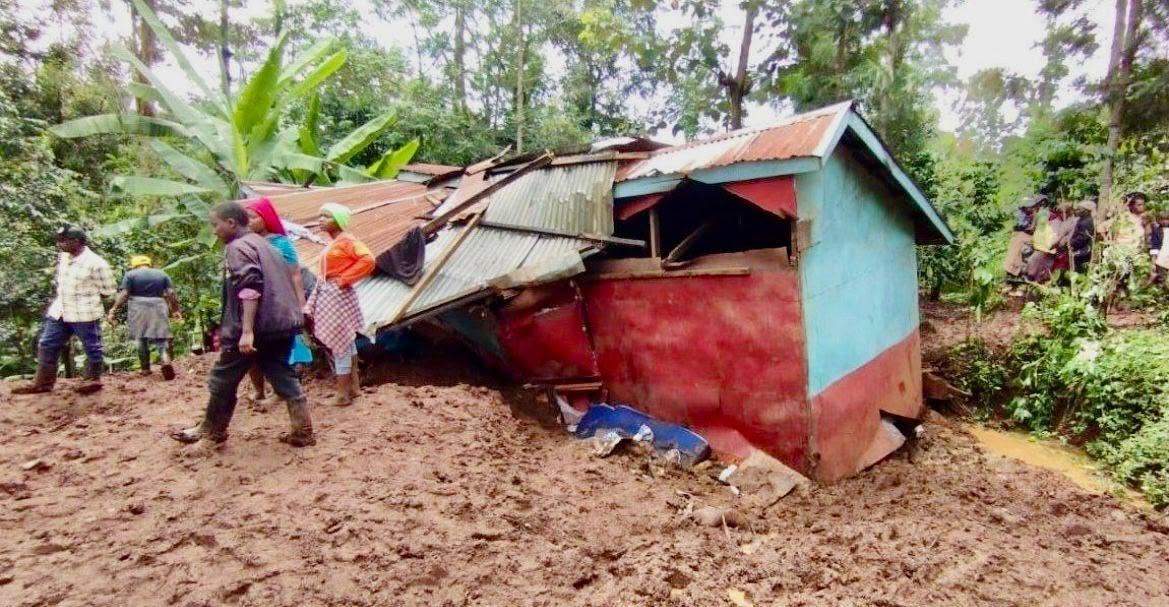
Murang’a has in the past experienced landslides in the upper parts of the county, resulting in loss of lives, destruction of homes and damage to infrastructure.
The lower parts of the county, meanwhile, are prone to flooding, particularly during periods of heavy rainfall.
Bule also called for close cooperation between the county and national governments to clear blocked drainage and sewer systems and undertake other measures aimed at preventing flooding in urban and residential areas.
Kenya Power was asked to inspect and prune tree branches that are likely to fall on power lines during strong winds and heavy rains, while the education sector was urged to ensure schools adhere to appropriate reporting and closing times to minimize the exposure of learners to hazardous weather conditions.
The meeting also raised concern over mature trees standing near homes and other buildings, which could be brought down by strong winds and cause injuries or damage to property.
The county government said it would work with affected property owners and other stakeholders to facilitate the safe removal or harvesting of trees considered a danger.
Murang’a County Director of Meteorology Rose Njeru said the onset of the short rains in the county was expected around the second or third week of October.
Njeru said some parts of the county could receive above-average rainfall, which would benefit sectors such as agriculture but could also pose risks to infrastructure, settlements and other vulnerable areas.
She urged stakeholders to work together and use weather information to undertake early preparedness measures instead of waiting for disasters to occur.
“Enhanced rainfall can be beneficial to agriculture, but it can also create risks in areas that are vulnerable to floods and landslides. We therefore need concerted efforts to protect lives and property,” She said.
The Kenya Red Cross said it had already identified evacuation centres in Kangema and Mathioya sub-counties, which are considered particularly vulnerable to landslides.
The agency said the identification of the centres would help facilitate faster evacuation and response in case of emergencies.
KMD has similarly emphasized the importance of anticipatory action, where authorities use forecasts and early warnings to act before a disaster occurs. The department says this approach can help reduce the impact of climate-related hazards and protect vulnerable communities.
The stakeholders agreed that continued monitoring of weather forecasts, public sensitization, clearing of drainage systems, protection of power infrastructure and early identification of evacuation areas would be key to reducing the impact of the expected rains in Murang’a.
By Bernard Munyao