The County Government of Nakuru has pledged to continue strengthening the dairy sector by investing in projects that help farmers reduce post-harvest losses and increase their incomes.
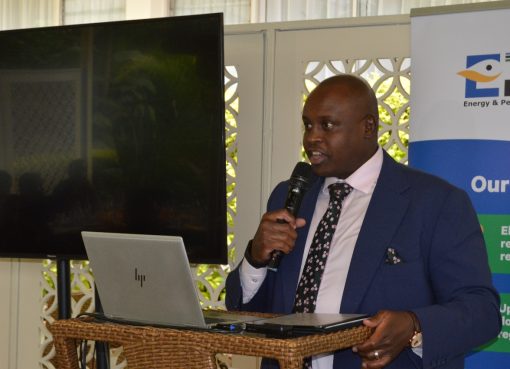
According to County Executive Committee Member (CECM) for Agriculture, Livestock and Fisheries Mr Leonard Bor, through such programmes, the devolved unit’s administration remains committed to building a stronger and more profitable dairy sector for the region’s farmers.
Mr. Bor pointed out that the dairy value chain is a vital economic pillar, supporting millions of livelihoods from farmers and transporters to processors, retailers and consumers.
He said the interventions are part of Governor Susan Kihika’s administration’s efforts to revitalize the dairy sector in the country aimed at boosting value addition and creating sustainable jobs.
“We are actively strengthening the dairy value chain to boost productivity, minimize post-harvest losses, and increase farmers’ incomes. Key initiatives include milk cooler distributions, training farmers on animal feed formulation, vaccination drives and livestock disease surveillance among other measures,” stated the CECM.
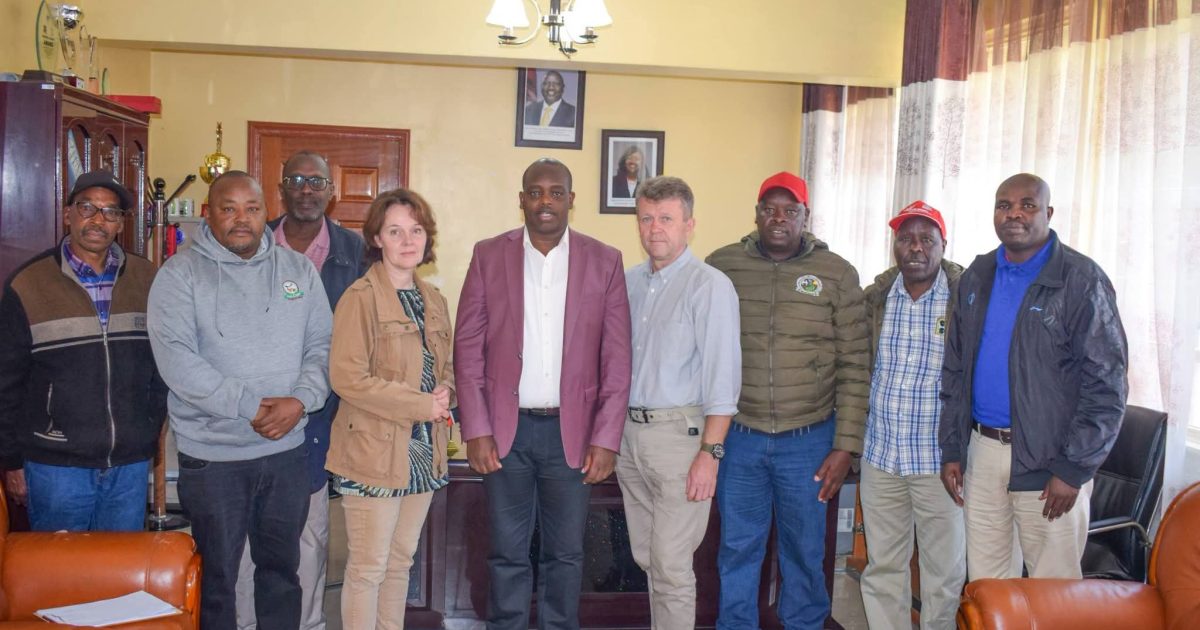
He spoke at the county offices in Nakuru Town during a meeting with officials of the Elburgon Progressive Cooperative Society who were accompanied by the director of the Poland–East Africa Economic Foundation, Mr. Robert Zduńczyk.
Mr Bor disclosed that his department was crafting regional and international partnerships aimed at equipping farmers with modern dairy production skills, improve access to advanced farming technologies and enhance the competitiveness of cooperative societies, in a move expected to increase milk production and boost household incomes.
Mr. Bor indicated that the county government has consistently supported investment in farmer training, improved breeding technologies and cold-chain infrastructure to enhance milk quality, increase production and improve the competitiveness of Kenyan dairy products in regional and international markets.
He further noted that strengthening cooperative societies through technical training and international partnerships enables farmers to access new technologies, improve farm management practices and increase profitability while creating employment opportunities for young people in agriculture.
The CECM added that the devolved unit’s administration had partnered with the Poland–East Africa Economic Foundation to facilitate knowledge exchange, farmer training and access to modern agricultural machinery through cooperative societies. The collaboration is aimed at building farmers’ capacity to adopt climate-smart and commercially viable dairy farming practices while improving productivity across the county.
Bor said the County government was working closely with the national government towards strengthening milk aggregation, processing and market access through key milk collection centres.
He further called for collective support to strengthen the dairy value chain as a pathway to reducing poverty and creating jobs and reiterated the County Government’s commitment to working with farmers through capacity building and improved market access both locally and internationally.
Official statistics indicate that nationally, livestock contributes 50 percent of Agricultural Gross Domestic Product (GDP) and over 10 percent of the National GDP. Dairy production is the largest contributor to the livestock GDP.
The statistics reveal that the dairy sub-sector yields about Sh237 billion annually and that Kenya is one of the leading countries in dairy cattle production in Africa.
Mr Bor stated that the industry is on an upward trajectory with an estimated growth rate of 3 percent to 4 percent per year adding that the Kenya Kwanza administration recognizes dairy value chain as one of the main sources of household incomes and a crucial contributor to food security.
Vision 2030 which has been adopted as a new model for Kenya’s development, emphasizes the enhancement of dairy productivity as key to increasing incomes, food security and nutrition.
The Ministry of Agriculture and Livestock Development developed a Dairy Master Plan 2010– 2030, and Kenya Dairy Industry Transformation Strategy & Investment Plan 2022-2032, developed by the Kenya Dairy Board, which currently guides the dairy industry.
Mr. Bor said the County government is striving to make the dairy subsector one of the leading subsectors in socio-economic development through production, value addition and marketing.
This, he added, is being done by mobilizing and working with all stakeholders and development partners as the county seeks to maximize the utilization of all available opportunities and resources for the benefit of the entire region.
The partnership with Poland–East Africa Economic Foundation, the CECM noted, would provide dairy farmers with practical knowledge and exposure to modern farming technologies that can improve efficiency, increase milk yields and strengthen the county’s dairy value chain.
He pointed out that members of the Elburgon Progressive Cooperative Society would participate in an exchange programme where they will receive hands-on training in feed and forage formulation, modern dairy production techniques and the use of mechanized farm equipment.
Mr. Bor called on beneficiaries of the partnership to share the skills acquired with other farmer groups and cooperatives to ensure the benefits of the programme reach more dairy producers across the county.
The CECM said knowledge transfer and collaboration among cooperatives remains essential in building a resilient and sustainable dairy industry capable of competing in local and international markets.
He said the partnership complements the County Government’s ongoing efforts to modernize dairy farming through subsidized artificial insemination (AI) services, improved breeding programmes and investment in milk handling infrastructure.
“The county has also supplied milk coolers to several dairy cooperatives, including Elburgon Progressive Cooperative Society, to improve milk quality, reduce post-harvest losses and increase farmers’ earnings,” he observed.
According to the Food and Agriculture Organization (FAO), dairy farming plays a critical role in improving rural livelihoods by providing regular household income, creating employment and enhancing food and nutrition security.
FAO notes that improved animal genetics, quality feeds and farmer training are among the most effective interventions for increasing milk productivity.
The International Livestock Research Institute (ILRI) observes that knowledge exchange and adoption of modern livestock technologies enable smallholder farmers to improve productivity while strengthening resilience to climate change and fluctuating market conditions.
In Kenya, the dairy industry is one of the country’s leading agricultural sub-sectors.
According to the Kenya National Bureau of Statistics (KNBS), livestock contributes significantly to agricultural GDP, with dairy farming supporting the livelihoods of millions of Kenyans directly and indirectly through production, processing, transportation and marketing.
The State Department for Livestock Development estimates that Kenya produces more than 5 billion litres of milk annually, making it one of Africa’s leading milk producers.
The sector supports over 1.8 million smallholder dairy farmers, with cooperatives playing a vital role in milk collection, value addition and market access.
For Nakuru farmers, the collaboration is expected to improve dairy productivity, promote the adoption of modern farming practices, strengthen cooperative societies and expand market opportunities, ultimately increasing household incomes and contributing to Kenya’s food security and economic growth.
By Jane Ngugi and Jefther Afuyo