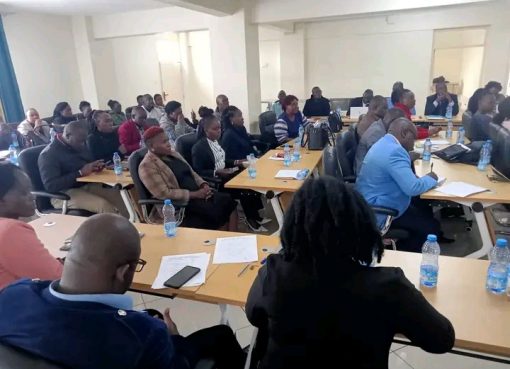
Persons with disabilities in Nyanza Region received a major boost after the National Fund for the Disabled of Kenya (NFDK) rolled out a regional programme worth Sh 5 million fund, targeting economic empowerment, mobility support and institutional development.
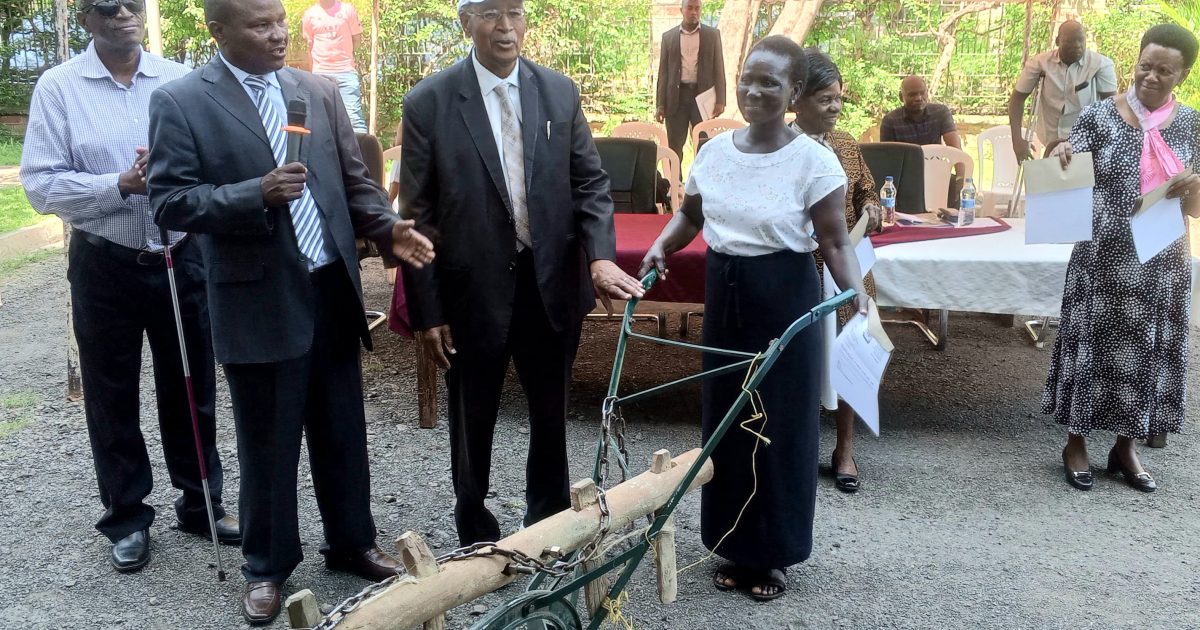
The initiative, launched in Kisumu, saw 18 beneficiaries from Kisumu West and Nyando sub-counties receive assistive devices and income-generating equipment valued at Sh815,000.
The beneficiaries were issued with wheelchairs, welding machines and other tools aimed at enhancing mobility and enabling self-employment.
At the same time, 21 institutions serving persons with disabilities across the Nyanza region received grants of Sh200,000 each, translating to Sh4.2 million, to support rehabilitation and development projects.
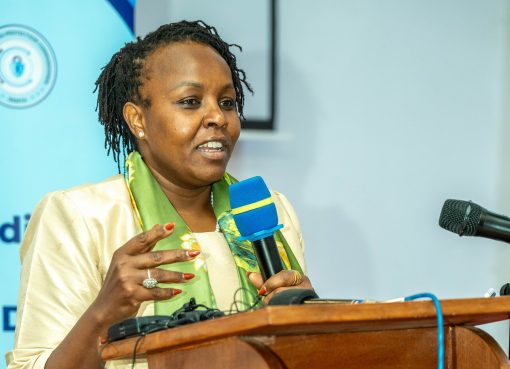
NFDK Chairman Prof. Francis Kibera said the programme is part of the fund’s broader strategy to improve the social and economic well-being of persons with disabilities through direct support, institutional funding and advocacy.
“We want persons with disabilities to become economically independent and fully participate in society. The tools and assistive devices we are providing are meant to unlock opportunities and improve livelihoods,” said Prof. Kibera.
He noted that institutions supporting persons with disabilities can also apply for flagship project grants of up to Sh2.7 million for infrastructure development, including classrooms, dormitories and laboratories, with an additional Sh300,000 available for equipment.
Prof. Kibera said the fund, established in 1980, operates in all 47 counties and continues to expand its reach through partnerships with government agencies and the private sector.
He lauded continued support from the national government and corporate organisations, including Safaricom and KenGen, saying such partnerships had enabled the fund to reach more vulnerable groups.
The chairman challenged county governments, businesses and development partners to invest more in programmes targeting persons with disabilities, while urging families to stop concealing children living with disabilities.
“Children with disabilities should be taken to school and given equal opportunities to realise their potential. Society must move away from stigma and exclusion,” he said.
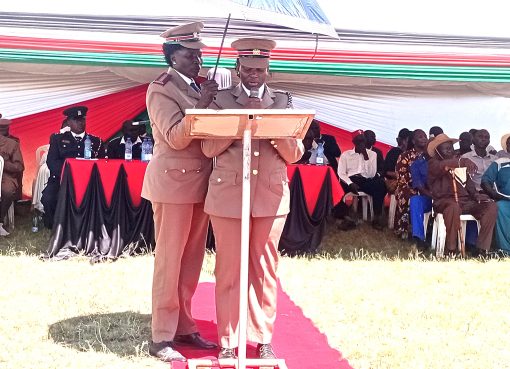
Speaking during the same occasion, Nyanza Regional Commissioner Onesmus Kyatha welcomed the programme, describing it as a practical intervention that would help improve livelihoods and promote inclusion in the region.
Kyatha urged beneficiaries to make productive use of the donated equipment and cautioned against selling the items.
“These tools are meant to transform lives and create economic opportunities. Beneficiaries should use them for the intended purpose,” he said.
He also directed National Government Administrative Officers to work closely with communities in identifying persons with disabilities and linking them to available government support programmes.
The distribution of assistive devices and tools of trade will continue in other counties and sub-counties across the Nyanza region as part of efforts to enhance inclusion and economic participation among persons with disabilities.
By Valery Nyagaka and Robert Onyango