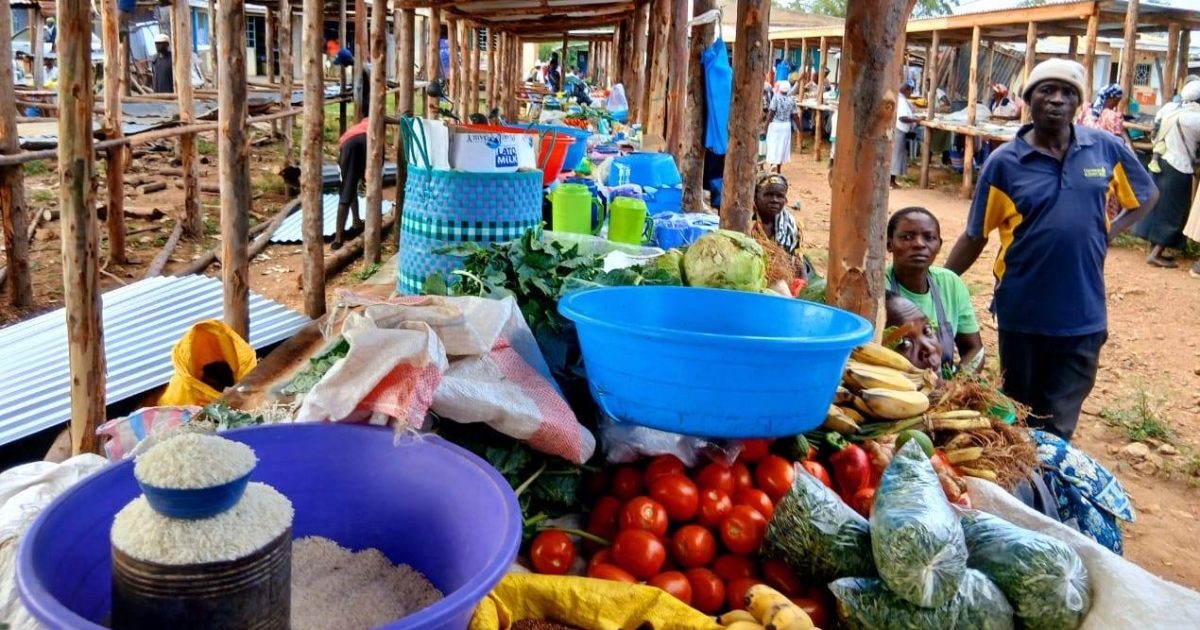
Residents of Nyando Sub-County have shared and offered honest reflection on the state of affairs across the major sectors of the economy.
In Awasi town, high commodity prices, rising taxes and surging youth crime has left small business operators and families on the brink of economic collapse.
The residents including traders are now appealing to the government to lower the cost of fuel and basic commodities and pay attention to the increasing insecurity to salvage the deteriorating economy.
Grassroots businesses and families have been hardest hit, reducing consumer spending power and compelling families to drastically shift how they manage their everyday lives.
According to Jane Achieng, a mother of four and a resident of Awasi, the skyrocketing prices of essential commodities such as maize flour, cooking oil and sugar have left many people unable to afford three meals.
“The rising prices of basic commodities have made it necessary for many households to plan their purchases accordingly,” Achieng said, adding that families are now buying small amounts of food because of dwindling finances.
Emily Awuor, a local shoe retailer at Ahero market, reported that her daily clientele has dropped from 25 to 5, and sometimes none, since the increase in fuel prices.
The cost of electricity tokens has also hindered her ability to undertake a secondary electricity token vending service to supplement her income.
“The frequency of break-ins here is so high. My shop has been broken into and all my stock stolen many times in Ahero, it is not safe,” she added.
Boda boda operators have also reported a decline in income despite spending heavily on motorcycle maintenance and fuel.
They say many customers have opted to walk to work in protest against the increased transport fares, further reducing their earnings.
Vincent Onyango, who has been riding in the region for seven years, said the cost of fuel has increased by over 250 per cent in the past half a decade.
“Due to bad roads in the area, the motorbike gets damaged fast, making it very expensive to maintain, this also leads to high fuel consumption,” Onyango lamented.
He said that the bodabodas have tried to double fares to compensate for such costs, but it has failed to work because local commuters cannot afford the high rates.
In addition to the financial burden, operators are in a very dangerous situation while on the road especially at night due to the high rate of insecurity in the area.
The increasing local crime rates, he said, are attributed to the lack of economic opportunities for the young people.
However, despite these challenges, there is a glimmer of hope as many women in Awasi have turned to small-scale businesses and informal table-banking groups to cushion themselves against the harsh economic conditions and sustain their livelihoods.
by Rainhard Ayub and Peterson Kombe