Stakeholders in the employment and labour sector have underscored the need for stronger national, regional, and international cooperation to address emerging challenges in labour justice, arising from increased labour mobility and the changing world of work.
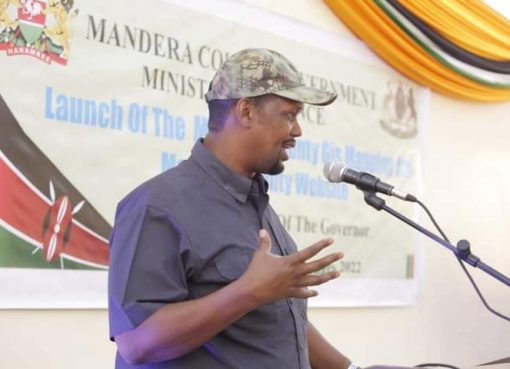
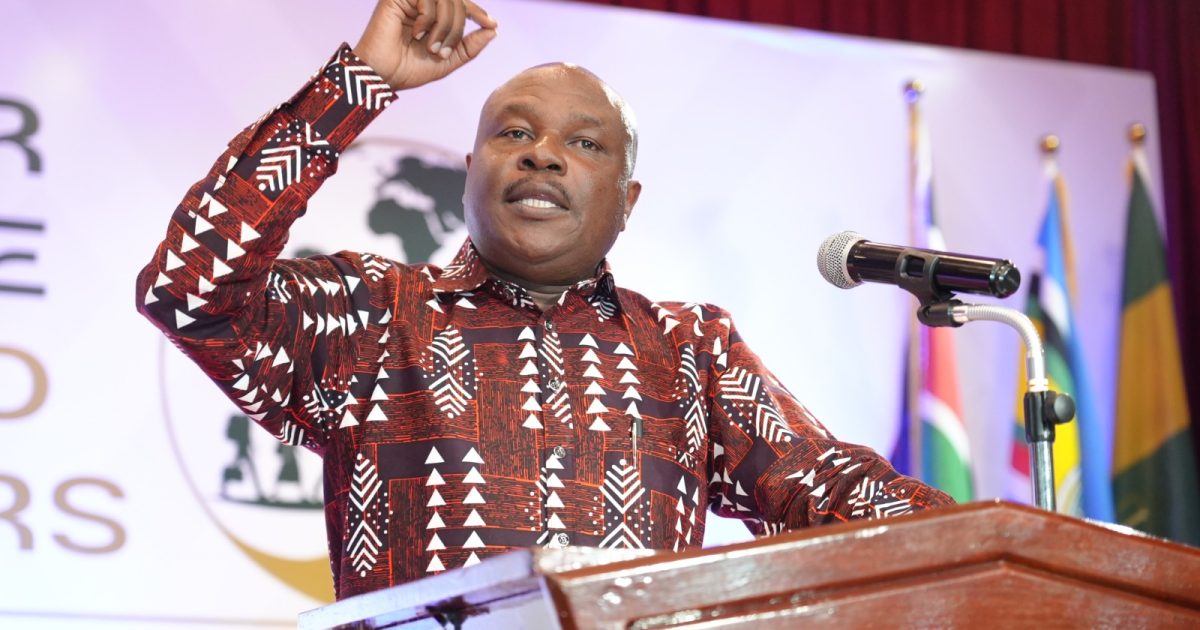
Speaking at Strathmore University in Nairobi during the closing ceremony of the fourth Employment and Labour Relations Annual Symposium and Exhibition (ELRASE IV, 2026), Labour and Skills Development Principal Secretary (PS) Shadrack Mwadime, stressed that effective labour migration governance must extend beyond facilitating movement of workers to ensuring that their rights, welfare, and access to justice are protected throughout the migration cycle.
Mwadime observed that labour mobility is no longer simply a question of migration but encompasses the development of skills that meet international standards, access to decent employment opportunities and the protection of migrant workers through safe, orderly and regular migration pathways.
“Labour mobility is of immense benefit to migrants, communities, employers, governments and other stakeholders in both countries of origin and destination when it is properly managed,” he advised.
Mwadime further emphasised that benefits of labour mobility must be accompanied by effective safeguards for workers, saying that it begins long before a worker boards a plane.
“Our labour mobility programmes cover the entire journey of a migrant worker, starting with the pre-employment and tour of duty, as well as return and reintegration,” explained the PS.
Critically, Mwadime noted that the symposium provided an opportunity for the Government, the Judiciary, employers, workers’ organisations, recruitment agencies, civil society, development partners and other stakeholders to strengthen collaboration in labour migration governance and the administration of justice.
Further, the PS reaffirmed the Government’s commitment to the implementation of Bilateral Labour Agreements and other mechanisms that facilitate labour mobility while protecting Kenyan workers, even as he stressed that translating the recommendations emerging from the symposium into tangible reforms will require sustained collaboration among all stakeholders.
Employment and Labour Relations Court Principal Judge Monica Mbaru, who also spoke during the closing of the symposium, said ELEASE IV underscored the imperative of ensuring that labour rights and access to justice remain protected as workers increasingly move across geographical and legal boundaries.
“The symposium brought into focus the opportunities and vulnerabilities associated with labour mobility, including recruitment practices, unfair contractual arrangements, wage exploitation, unsafe working environments, discrimination, harassment, trafficking, forced labour and unfair termination,” she reported.
Justice Mbaru emphasized that crossing borders should not deprive workers of access to justice and that labour mobility must go hand in hand with protection of labour rights.
In this regard, she called for practical action, including stronger judicial research and resources, improved court-user accessibility, effective use of technology and Alternative Dispute Resolution (ADR), better coordination of labour migration policies and development of coherent jurisprudence on cross-border employment disputes.
“The overarching objective is to contribute to a future-ready labour justice system in which geographical borders do not become barriers to justice and every worker local, migrant, formal, informal or engaged in emerging forms of work can have confidence that the law protects their dignity and provides accessible remedies when their rights are violated,” established Justice Mbaru.
Meanwhile, the three-day symposium organised by the Judiciary themed, ‘Labour Migration and Access to Justice: Strengthening Judicial Responses to Inclusive and Effective Labour Justice Systems’, brought together key stakeholders to deliberate on the future of labour justice in an increasingly interconnected world.
The symposium provided an important forum for advancing dialogue on how courts and other justice institutions can strengthen access to justice for migrant workers and other parties to cross-border employment relationships.
Additionally, discussions focused on global and regional migration dynamics, cross-border labour disputes, judicial innovation, refugee rights to work, alternative dispute resolution, international labour standards, human rights, constitutionalism and institutional reforms as well as implications of labour mobility for courts and other justice sector institutions, particularly the need for effective mechanisms to resolve disputes involving workers, employers, and other actors across jurisdictions.
Bottom line, the symposium underscored the critical role of justice institutions, including the Judiciary in protecting workers’ rights and ensuring fair and effective resolution of labour disputes in an increasingly complex and interconnected world.
By Michael Omondi