Swisscontact, a non-governmental organization, has called for stronger collaboration with the media to enhance reporting on development programmes and their impact on communities.
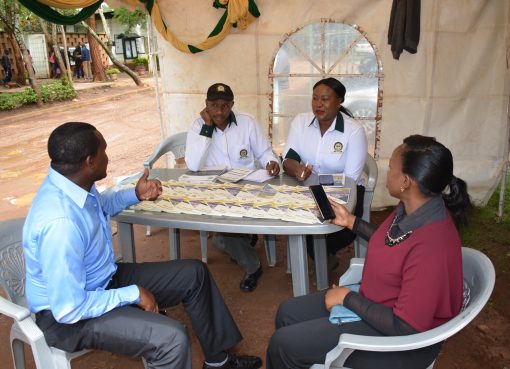
The organization made the appeal during a media roundtable meeting held in Nairobi, which brought together journalists from various media houses and development stakeholders.
Registered in Kenya in 1997, Swisscontact focuses on promoting financial inclusion, strengthening livelihood systems, and advancing green, inclusive, and nature-positive economic growth.
The organization has implemented several projects in the country, including CP Wash, Eye Focus, Future Fit, NURTURE, and PropelA.
According to its Central, East, and Southern Africa (CESA) regional 2025 results, the interventions have generated more than USD 17 million in additional income for farmers and non-agricultural MSMEs.
Swisscontact Country Director Sharon Mosin said the organization, founded by private-sector actors including Swiss Airlines, applies private-sector-driven solutions to development challenges.
Mosin said many stakeholders still have limited understanding of the role of the private sector in development, noting that Swisscontact works by identifying challenges within communities and partnering with government and other actors to deliver sustainable solutions.
She emphasized that the organization does not focus solely on project implementation but on building market-centred systems that can sustain themselves beyond donor support. She also underscored the importance of the media in amplifying evidence-based development outcomes.
“As a country, we are in a very precarious situation, we are facing high unemployment, climate change, and declining agricultural production, and therefore the pressure is on us,” Mosin said, adding that these challenges also present opportunities for collaboration.
The Technical Advisor and Team Lead of the PropelA Project, Jimmy Delyon noted that Swisscontact’s approach is grounded in market systems development, where economic activity is driven by the exchange of goods and services.
Delyon explained that inefficiencies within these systems contribute to unemployment, poor service delivery, and economic exclusion, adding that the organization works to identify and strengthen weak points within markets to benefit communities.
“A functional system should be sustainable, which means it should not depend on donor aid to operate,” he said.
He added that Swisscontact’s model focuses on building systems that continue to function independently after project support ends, noting that this approach has enabled the organization to train millions of young people.
Journalists who attended the roundtable meeting cited challenges in covering development stories, including political interference, misconceptions by editors who often view such content as promotional material, and limited access to information on lesser-known projects.
The forum underscored the need for stronger collaboration between media practitioners and development actors to improve evidence-based reporting on socio-economic transformation and enhance public understanding of development programmes.
by James Kabutu