For many young Kenyans, creative talent is no longer just a passion—it is increasingly becoming a source of livelihood.
From music and fashion to film, photography, visual arts and digital content creation, the creative economy is attracting thousands seeking to earn an income from their skills.
Yet while talent is abundant, many creatives struggle to convert their craft into sustainable businesses.
Limited access to financing, inadequate business skills, weak market linkages and a lack of structured support continue to hinder growth within the sector.
It is this gap that the SANARA Programme seeks to fill.
Named after the Swahili words sanaa (art) and biashara (business), SANARA was established to help young creatives move beyond informal, talent-driven activities and build enterprises capable of generating sustainable income.
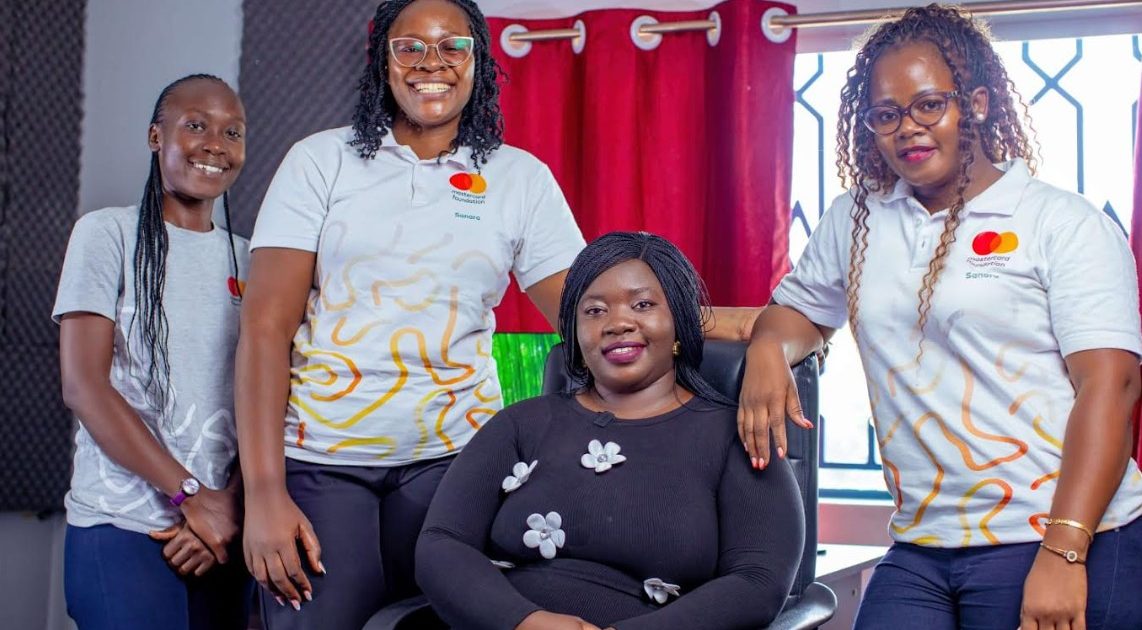
The initiative is being implemented through a partnership between the Mastercard Foundation and a consortium comprising HEVA fund, SNDBX Ubuntu, Baraza Media Lab and GoDown Arts Centre across Nairobi, Mombasa, Nakuru, Kakamega, Kisumu and Turkana counties.
According to SNDBX Ubuntu Regional Coordinator Millicent Philips, the programme was informed by a recurring challenge within the creative industry: many talented young people possess the skills to create but lack the tools needed to commercialise their work.
“Creatives often have the talent, but they face challenges in areas such as financial literacy, business management, intellectual property rights, market access and access to capital,” she said.
To address these barriers, the programme provides Business Development Skills training covering entrepreneurship, marketing, finance, taxation, legal compliance and business operations.
The goal, Philips said, is to equip creatives with the knowledge and confidence needed to run their artistic ventures as businesses rather than side activities.
“The programme helps creatives transition from informal talent-based work into sustainable and profitable enterprises while connecting them to opportunities within the broader creative economy,” she said.
Beyond training, SANARA has supported hundreds of creatives through mentorship, networking forums and entrepreneurship development programmes.
More than 500 beneficiaries have received grants, equipment, vouchers and cash support worth up to Sh130,000, enabling them to launch or expand their ventures.
For many participants, the support has provided the foundation needed to take the next step in their entrepreneurial journey.
Some have used the funding to purchase equipment and grow existing businesses, while others have transformed ideas into operational enterprises for the first time.
The programme has also created opportunities for creatives to access new markets through exhibitions and industry events such as the Mashariki Expo.
These platforms allow participants to showcase their work, build professional networks and connect with potential clients, collaborators and investors.
Philips says one of the most significant outcomes has been a shift in how creatives perceive their talents.
“Many participants now view their creative skills as viable businesses and long-term career opportunities rather than hobbies,” she said.
That change in perspective has translated into tangible results.
Beneficiaries have formalised businesses, strengthened their brands, improved financial management practices and expanded their market reach. Others who previously struggled to find employment are now generating income through their own ventures and creating opportunities for others.
The support does not end after training. Beneficiaries continue to receive mentorship, coaching, incubation services and assistance in accessing markets and financing.
“We ensure creatives are linked to spaces where they can showcase and commercialise their work while also supporting their continued business growth,” Philips said.
She noted that sustained engagement is critical in ensuring that skills acquired through training translate into real economic outcomes.
As the programme expands, SANARA hopes to strengthen the creative ecosystem by increasing access to financing, fostering partnerships and promoting innovation, particularly through digital platforms.
Its long-term vision is to create an inclusive creative economy where artists and cultural entrepreneurs are recognised not only as creators but also as contributors to economic growth and job creation.
“Our vision is to see creatives build sustainable businesses that contribute meaningfully to their communities and the national economy,” Philips said.
At a time when youth unemployment remains a major challenge, initiatives such as SANARA are demonstrating how investment in the creative sector can unlock new economic opportunities.
By combining business skills, financial support and market access, the programme is helping a new generation of creatives transform talent into enterprise—and creativity into sustainable livelihoods.
By Pamella Dorothy