Residents of Vihiga want the county government to increase funding towards development projects and other critical social sectors.
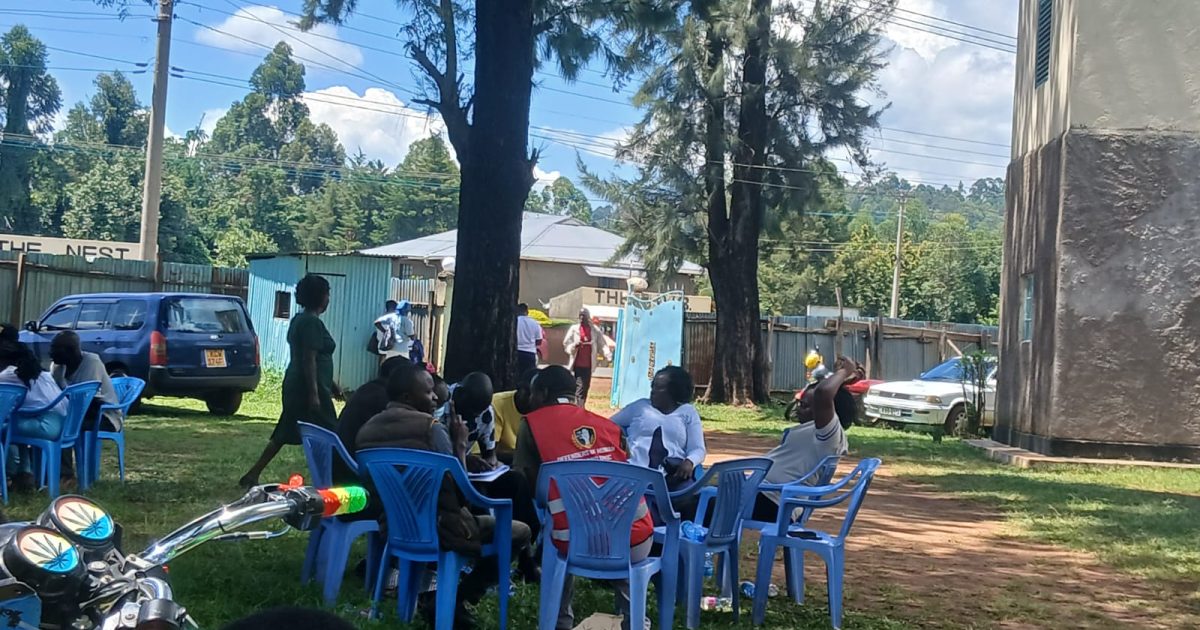
This emerged during a public participation forum on the Proposed Budget Estimates for the Financial Year 2026/2027, organized by the Vihiga County Assembly’s Committee on Budget and Appropriations held at ACK Church Ebusakami.
The forum brought together members of the public from the five wards of Luanda Sub County including Luanda Township, Luanda South, Mwibona, Emabungo and Wemilabi.
During the function, county officials distributed printed copies of the draft budget estimates to participants before dividing them into ward-based discussion groups.
Residents were then given nearly two hours to scrutinize the budget proposals, discuss their priorities and concerns, and compile written memoranda which were later submitted to county officials for consideration.
Despite the importance of the exercise, attendance was relatively low, with each ward recording an average of between 10 and 15 participants.
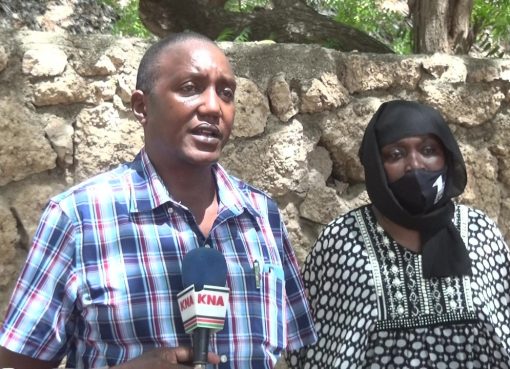
Speaking to KNA after the discussions, a resident, Isaac Maganga expressed concern over what he termed as the disproportionate allocation of funds between recurrent and development expenditure.
According to Maganga, the county has allocated a significant share of the budget towards recurrent expenditure at the expense of development projects that directly benefit wananchi.
“Development should be given greater priority because it is what residents expect to see from the taxes they pay. The gap between recurrent and development expenditure should be reduced, where development funding surpasses recurrent expenditure,” he said.
Maganga further observed that the education sector had not received adequate attention, particularly in the development of Early Childhood Development Education (ECDE) centres and Technical and Vocational Education and Training (TVET) institutions.
He called for increased investment in educational infrastructure, employment of more teachers and improved remuneration for educators, noting that teachers play a crucial role in shaping society.
“The education sector forms the backbone of our community. There is a need to employ more teachers and improve their welfare, while also investing in ECDE and TVET institutions,” he stated.
On healthcare, Maganga questioned some of the proposed allocations, citing what he viewed as an imbalance in priorities.
“It is difficult to understand how Sh36 million can be allocated to casual labour, while only Sh30 million is allocated to medical drugs. Drugs should be given higher priority because it directly affects service delivery and the health of residents,” he remarked.
However, he praised the county government for its proposed allocations to the agriculture, environment conservation and water sectors, describing it as fair and responsive to the needs of residents.
He noted that environmental conservation efforts and water projects undertaken in recent years have contributed to visible improvements in environmental management and water accessibility across parts of the county.
Another resident, Raphael Liboywa, echoed concerns over the county’s expenditure structure, noting that the proposed budget allocates approximately 69 percent to recurrent expenditure and only 31 percent to development expenditure.
He argued that such a distribution limits the county’s ability to implement transformative projects that can improve the livelihoods of residents.
“We need more resources directed towards development projects because they create long-term impact. The current allocation is not fair to residents who expect visible development from county resources,” he said.
Liboywa also highlighted water shortages as one of the major challenges affecting Luanda Township Ward.
He urged the county government to prioritize investment in water infrastructure to ensure residents have access to adequate and quality water.
In addition, he pointed to the poor condition of roads within Luanda Town and surrounding areas, saying deteriorating road networks continue to affect businesses, transportation and service delivery.
“The state of roads in Luanda remains a major concern. The county should allocate more resources to road improvement projects to facilitate movement and economic activities,” he added.
The public participation exercise forms part of the constitutional requirement that citizens be involved in governance and decision-making processes, particularly on matters concerning the allocation and utilization of public resources.
Views collected from the various wards will be consolidated and presented to the relevant county authorities and the County Assembly Budget and Appropriations Committee for consideration before the final budget is approved.
Residents who attended the forum expressed hope that their recommendations would be incorporated into the final budget to ensure county resources address the most pressing needs of the people.
By Kelly Barasa