Over 300 children from disadvantaged backgrounds in the Suba North constituency have been enrolled back in school to continue with their academic dreams.
The 380 children who were on the verge of dropping out of school, with some having already dropped out due to economic hardships, were supported back to school courtesy of a non-governmental organization, the Victoria Friendly Montessori Project.
The project, which began 10 years ago, has seen more than 1200 children so far benefit from the educational support program.
The project Director, Tom Odhiambo, revealed that they started the program to uplift needy learners from Rusinga Island Ward, Suba North constituency.
He said the majority of the children they were supporting had abandoned school because of financial difficulties.
“The project was started in the Rusinga area with a sole agenda of transforming the lives of bright but needy children through education. We realised that taking them back to school is the best way to empower them for the future,” Odhiambo said.
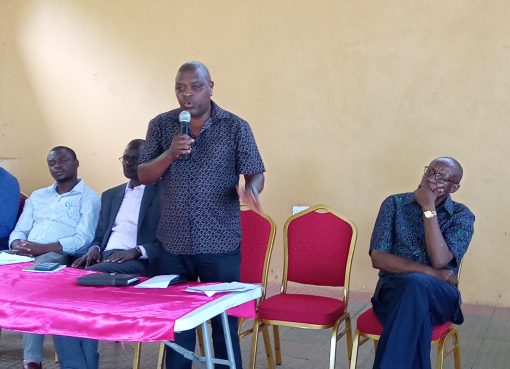
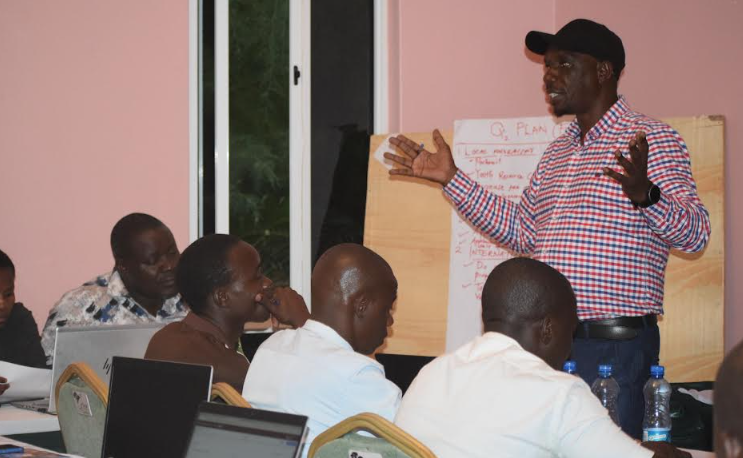
Speaking today during an education stakeholders’ capacity-building forum at Marindi in the Homa Bay Town constituency, the Director said they had embarked on establishing a technical youth resource centre to absorb children who do not qualify to join university.
Suba North is a constituency with several islands, including Rusinga, Mfangano, Kibuogi, Ringiti, Remba, and Takawiri, with the main economic activity being fishing.
Odhiambo highlighted there are children who have dropped out of school for fishing to enable them to earn livelihoods.
Currently, we have more than 25 students with grades of direct entry into universities. The remaining students will go to technical school to acquire knowledge and skills to be job creators and better the lives of people,” he said.
Most vulnerable children are assisted with 60 percent of the total school fees.
According to Jacklyn Atieno, the project community coordinator, they also have an initiative meant to improve the living standards of poor residents besides a water project that has seen more than 330 households connected with piped clean water. The commodity is also used to support the growing of food crops.
“Through the water project, we have made efforts to reduce waterborne diseases like cholera and dysentery. Food security is also boosted from the irrigation ventures,” Atieno said.
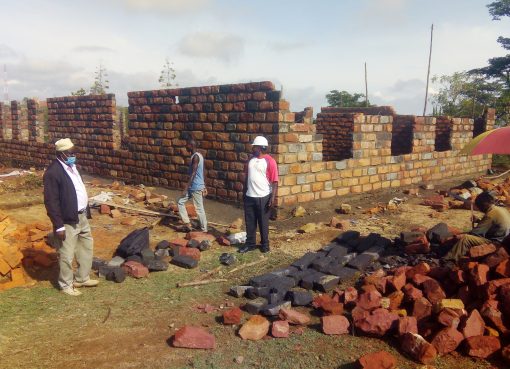
The project has also extended a helping hand to some vulnerable families by constructing 10 houses and renovating five others.
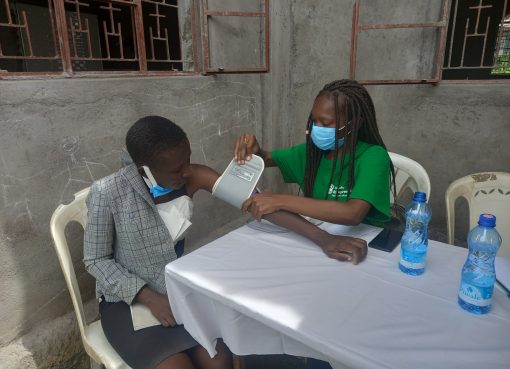
In addition, reproductive health talks are organized for adolescent girls and boys on beaches within Rusinga Island and surrounding areas to sensitize them on HIV infections and teen pregnancies.
“Good moral values are inculcated in them when they are still young. We are appealing for continuous collaboration and support from the community,” she said.
By Davis Langat