Stakeholders in the conflict prone Kerio Valley have commended the role of Women-led peace initiatives in restoring security and livelihoods in the troubled belt.
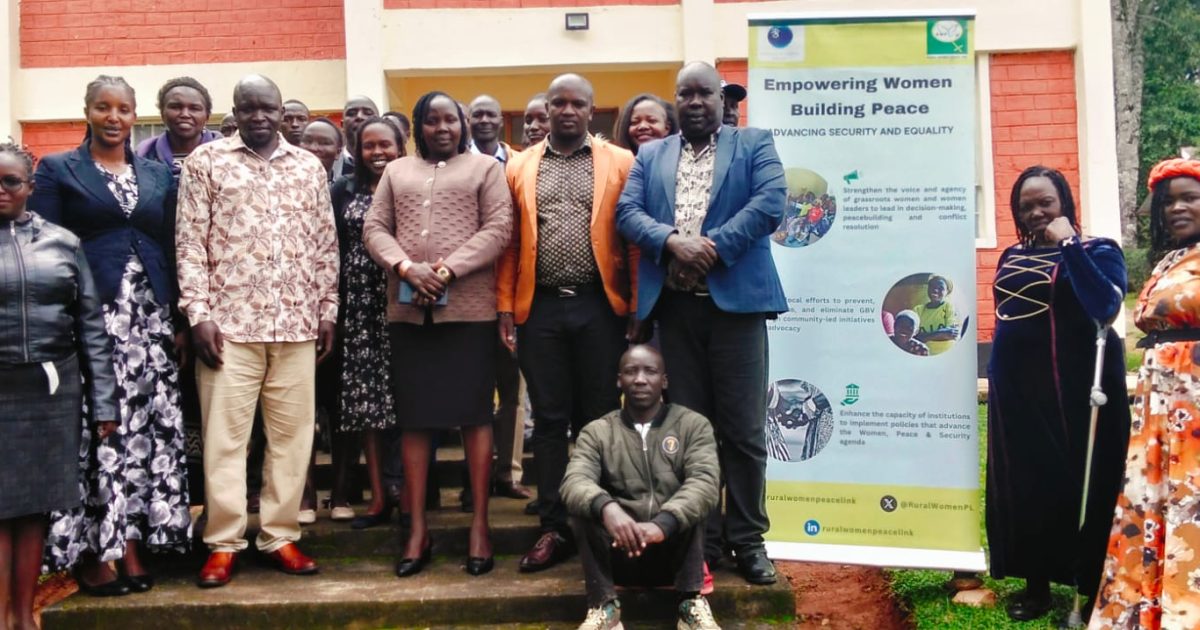
The appreciation was echoed during a stakeholders’ engagement meeting held at the Lutheran Church offices in Kapenguria, where speakers acknowledged the critical role the women folks played in peace initiatives that has seen hitherto rival communities build solid bridges.
The meeting brought together government officials, organizations, community leaders, and development partners to foster inclusive dialogue and coordinated action in strengthening resilience against climate-related shocks and insecurity.
Participants also took time to review climate action plans aimed at addressing vulnerabilities linked to climate change and peace-building.
Speaking during the forum, Sally Burer from the Rural Women Link said the organization, in partnership with the Embassy of Finland was implementing the “Empowerment of Women, Building Peace project,” aimed at localizing the United Nations Security Council Resolution 1325 through the Kenya National Action Plan on Women, Peace and Security.
Burer said the project seeks to strengthen community ownership in peace-building and gender-based violence prevention across West Pokot, Baringo, and Elgeyo Marakwet counties.
She noted that the initiative focuses on equipping grassroots women and local leaders with peace building and conflict resolution skills, while advocating for women’s inclusion in decision-making structures.
“We are working with women in communities affected by conflict to build their capacity because when women are empowered, they are able to sustain peace within communities,” said Burer.
The project adopts a triangular approach linking the three counties, areas that have for years experienced insecurity fueled by banditry, cattle resulting, drought, and competition over natural resources.
She added that women participating in the program have already formed advocacy and lobby groups championing peace and security initiatives at the community level.
Burer further observed that climate change remains a major driver of conflict in the region, prompting the organization to integrate women into climate action discussions and planning processes.
“We are bringing together stakeholders from different departments of government, organizations, and community leaders to evaluate climate action plans and identify gaps in women’s inclusion so that women can participate in climate-related decision-making,” she said
Kapenguria Division Assistant County Commissioner Peter Njuguna said women who have long borne the brunt of insecurity, are now rebuilding their lives following the restoration of peace in several areas of the county and across the county.
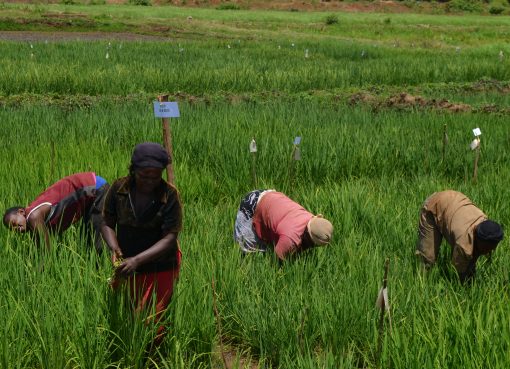
“Families have returned to farming and small businesses. They are planting vegetables, cultivating crops, and rebuilding their livelihoods,” Njuguna said.
He also acknowledged the contribution of Rural Women Peace Link in educating women about their rights and mobilizing them to participate in peacebuilding activities.
Njuguna further noted that many women in West Pokot are involved in artisanal gold mining and called for stronger cooperatives and enforcement of regulations to support safer and more organized operations.
He lauded the government commitment to fully restoring peace and stability in the Kerio valley region, citing the significant progress that has helped reduced incidents of banditry and insecurity, noting calm has returned to the region, enabling local communities to resume normal economic and social activities under enhanced security measures
West Pokot County Executive Committee Member for Youth and Gender Affairs, Lucky Litole, praised women for their contribution to peace-building within families and communities.
“If a woman holds a family together, the family remains stable, and where there is stable family life, there is peace,” Litole said.
She noted that the county government has rolled out empowerment programs targeting women and youth where they are provided seed capital to help them start business and improve household incomes.
She said economic empowerment had significantly contributed to reducing conflict by discouraging young people from engaging in cattle rustling and criminal activities.
The County Executive commended women in the region for speaking out against insecurity and discouraging their children from participating in banditry.
“We are seeking positive changes because women are speaking out and rejecting violence. Peace is returning and people who had fled their homes in the Chesogon area are coming back,” she said.
The county official further highlighted west Pokot’s tourism and cultural potential, inviting visitors to explore attractions such as Mount Mtelo and the scenic Lelan area in Pokot South Sub-county.
In his remarks, West Pokot County Director of Peace, Reverend Jackson Alukusia, commended the organization for placing women at the center of peace-building efforts across the Kerio Valley Region.
He cited areas including Aror Location, Cheptule, Sikerot in Masol ward and parts of Tiaty Constituency in Baringo County as regions where women-led peace initiatives have helped reduce insecurity and restore normalcy.
Alukusia said women have played a critical role in discouraging youth from cattle rustling and other criminal activities that undermine peaceful coexistence among neighbouring communities.
The Director cited Chesogon in West Pokot, once heavily affected by banditry as an example of progress achieved through collaborative peace efforts led by the government, community members, and organizations.
“Schools that had been closed due to insecurity have reopened, displaced families have returned to their homes, and communities are now enjoying peace,” he said.
Stakeholders at the meeting reiterated the need for sustained collaboration between government agencies, civil society organizations, development partners, and local communities in addressing the root causes of conflict and ensuring long-term peace and development in the Kerio Valley region.
By Anthony Melly