Youth have been urged to participate actively in the political and electoral process by seeking elective positions and registering as voters ahead of the 2027 General Election.
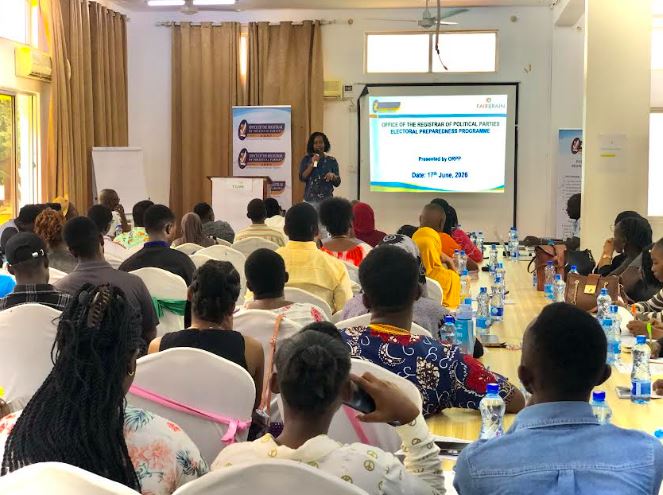
Consequently, the Office of the Registrar of Political Parties (ORPP) in conjunction with Fairbrain Consulting and the Independent Electoral and Boundaries Commission, has held a day-long sensitization of youths in Mombasa.
The forum brought together youth representatives from Nyali, Kisauni, Changamwe, Jomvu, Likoni and Mvita constituencies.
The meeting aimed to strengthen civic awareness, improve understanding of electoral systems and address persistent challenges that continue to suppress youth participation in governance including voter apathy, misinformation and lack of engagement in political party structures.
Key issues discussed included voter registration, electoral technology and integrity, political party compliance and campaign financing, civic education, prevention of electoral violence, and misinformation.
The training also emphasized the importance of inclusion of women, youth, Persons with Disabilities (PWDs), and other marginalized groups in leadership and decision-making processes.
Josephat Nyongesa, ORPP Official, said IEBC shouldn’t be blamed for party mistakes, noting that many electoral disputes begin long before voting day, often during party nominations
“Everyone runs to IEBC when results are announced. But the real rigging happens months earlier when parties lock youth out of nominations. If you’re not paying membership dues, not attending branch meetings, you can’t complain about the candidate you get,” stated Nyongesa.
“Join a party. Ask questions. That’s how you protect your interests and shape the outcome of elections,” he advised the youth.
ORPP Coast Regional Coordinator Susan Mwaingo said they are keen to listen to young people rather than lecture them.
She noted that ORPP officers monitor political parties and ensure compliance with regulations, but stressed that youth feedback is essential in strengthening their oversight role.
“You say parties only call you for T-shirts and handouts. I hear you. So help me change that. Should ORPP force more youth onto party lists? Should we publish how parties spend money? Tell me what rules will make you feel included, because your answers today become our policies tomorrow,” said Mwaingo.
Khadija Mohamed, IEBC official for Mvita Constituency, explained the voter registration processes, electoral technology safeguards and efforts to combat misinformation.
“IEBC will make registration easier, but we can’t force you to register. Every five years, we tackle lies online. If you see a viral post saying IEBC deleted voters, don’t share it. Come to us first. Also, 2027 cannot be men-only. We need women, youth and PWDs as candidates, not just voters,” Mohamed said.
Assistant County Commissioner Lucy Kabura cautioned young people against being used to incite electoral violence, warning that they often suffer the greatest consequences.
“Peace is your job, not the police. After elections, politicians go to Nairobi. You stay with broken shops and injured friends. Don’t let anyone use you to burn what your mother built. Say no to handouts meant to buy violence. Protect your estate like you protect your home. Kenya’s development depends on that choice,” said Kabura.
Mtopanga youth leader and 2027 MCA aspirant Mkombozi Darius said the training had reshaped how young people view their role in governance and leadership.
“From the gallery to the field, we’ve been spectators for too long, shouting from the gallery. But development won’t come from handouts. It comes when we register, contest, and vote for ideas, not tribes. If we get 2027 right, Mombasa will be different. 2027 starts today not next year,” Darius said.
Participants also raised concerns regarding voter registration accessibility, engagement with IEBC offices, and limited opportunities for youth within political party nomination structures.
Organizers acknowledged the concerns and noted that they were being incorporated into the ongoing electoral reforms and civic engagement efforts.
By Joshua Peter and Lillian Kasyoka