Cabinet Secretary (CS) for Interior and National Administration, Kipchumba Murkomen, has linked the persistent insecurity in the Kerio Valley region to environmental degradation, sparking conflict over scarcity of resources.
He stressed that sustainable peace could only be achieved if ongoing ecological destruction was addressed to restore degraded ecosystem, so as to reduce conflicts over depleting resources
Speaking during the Cherangany Peace and Conservation Run, held at Kapyego Tebe Grounds in Elgeyo Marakwet County, the Interior CS said the North Rift region has for years struggled with banditry, cattle rustling and fear, but warned that the root causes of the conflict extend beyond criminal activity.
“For too long, the Kerio Valley has been a theatre of conflict involving banditry, cattle theft and fear,” Murkomen said.
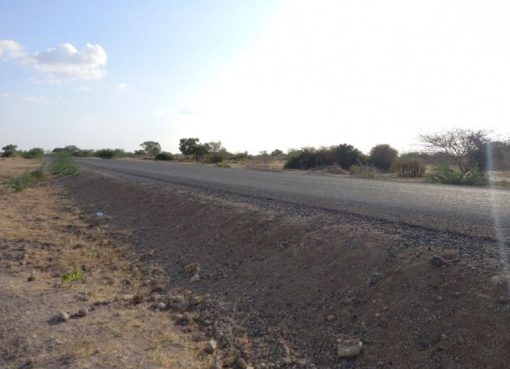
The CS noted that environmental stress, including the shrinking of grazing land and drying up of rivers and water sources, has intensified competition over scarce natural resources among communities living in the region.
“We know what the root cause is. The conflict is caused by rivers running dry and grazing land shrinking,” he said.
Murkomen observed that the collapse of ecosystems has left many young people vulnerable, with some turning to crime and violence, due to a lack of economic opportunities and sustainable livelihoods.
“The bandit or the cattle thief is often a young man who has watched his environment collapse around him,” he stated.
Addressing residents and leaders gathered at the conservation event, the CS emphasized that environmental restoration and security interventions must go hand in hand if lasting peace is to be realized in the troubled Kerio Valley belt.
“Ecological destruction and insecurity are two sides of the same coin,” he said. “We cannot have lasting peace on degraded land and you cannot restore land in the middle of conflict.”
Murkomen urged both the National and County governments, communities and conservation partners, to embrace tree planting, water restoration and land rehabilitation, as part of broader peacebuilding efforts in the North Rift.
“When we plant trees, we are planting peace. When we restore our springs, we are reducing conflict in the region,” he said.
He further called for increased investment in green economic opportunities, targeting young people, saying initiatives such as beekeeping, agroforestry, and ecotourism, could help steer young people away from crime and violence.
“When we create jobs for youth in beekeeping, agroforestry and ecotourism, we are closing the door to despair and opening one to dignity,” he added.
Murkomen challenged residents in banditry-prone areas, to voluntarily surrender illegal firearms, before the government intensifies security operations targeting armed criminals.
“Insecurity continues to remain a major concern in parts of the North Rift and other arid and semi-arid regions of the country,” he said, noting that counties such as Elgeyo Marakwet, Baringo, Samburu, Turkana, West Pokot, Isiolo, Marsabit and Tana River, continue to experience incidents linked to banditry and illegal firearms.
He warned that those still holding illegal weapons, should surrender them before the government takes action to recover them.
The Cherangany Peace and Conservation Run, brought together leaders, residents, conservation groups and security stakeholders in a symbolic effort, to promote environmental restoration and peaceful co-existence in the Kerio Valley.
By June Jebet and Rennish Okong’o