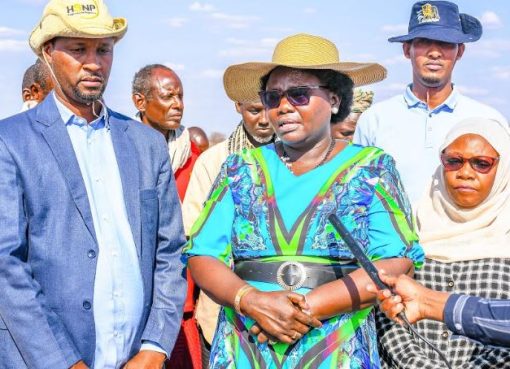
The National Government Affirmative Action Fund (NGAAF) is urging communities to organize themselves into registered groups to benefit from various empowerment programmes.
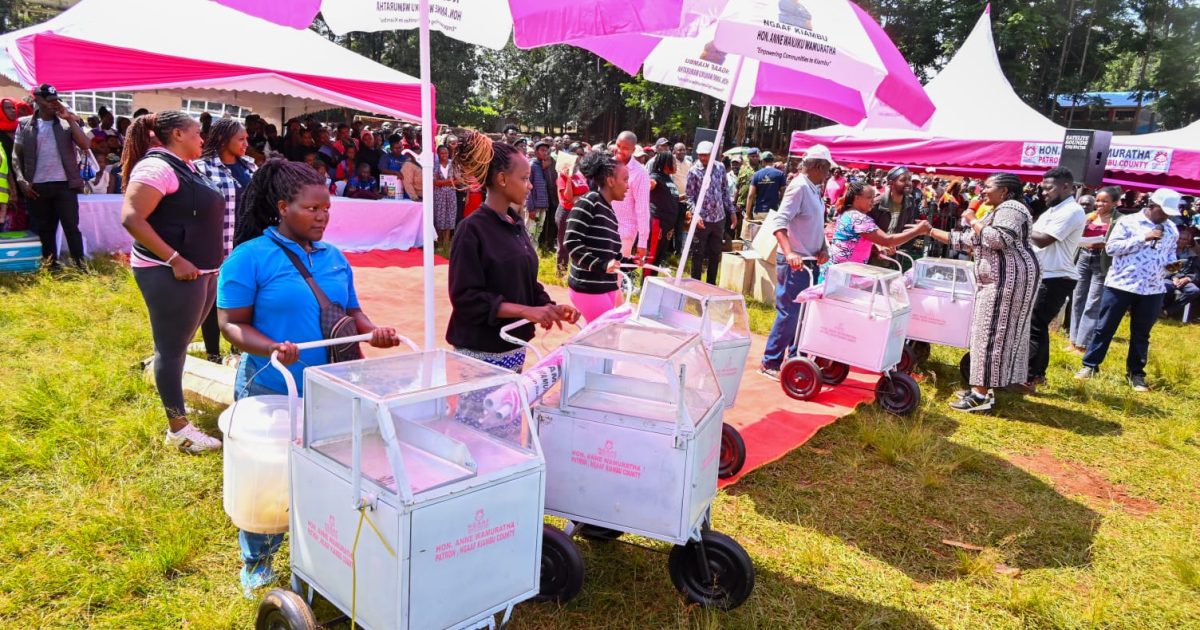
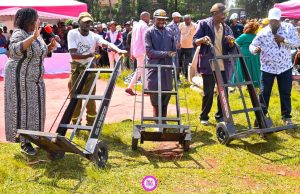
The Fund has expanded grassroots initiatives, including tents and chairs for welfare groups, salon equipment for young entrepreneurs, car wash machines for youth groups, and white canes for people with visual disabilities, to improve livelihoods and promote self-reliance.
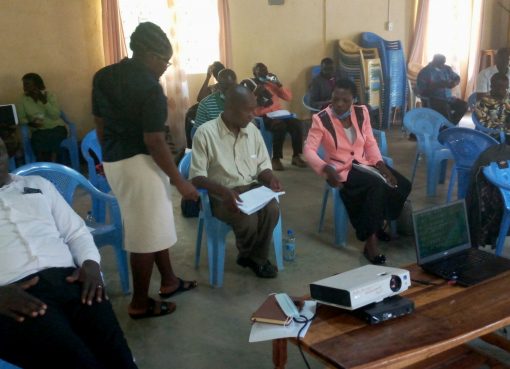
Speaking to the Kenya News Agency, NGAAF programme officers in Kiambu Town disclose that many residents still miss out on empowerment opportunities due to a lack of information, poor group organization, and failure to complete the required registration procedures.
Anita Nungari, one of the programme officers, says the empowerment process begins at the grassroots level, through Constituency Committee members.
“For every Constituency we have one Committee member who identifies the groups, visits them during meetings, and sensitizes them on the support programmes NGAAF offers,” she explains.
Interested groups are required to formally register with the Social Protection office under the National government before applying for support through NGAAF.
“The Certificate of Registration must be at least six months old. County Registration Certificates are not accepted because those groups are funded separately,” Nungari clarifies.
Applicants are also required to submit group membership lists, minutes authorizing the application, bank statements, treasurer’s reports, and copies of identification documents for group officials.
When it comes to individuals benefiting, she asserts that NGAAF does not fund individuals directly, but instead works through registered self-help and welfare groups to enhance accountability and sustainability of projects.
“The minimum number of registered members per group is 100 members for women groups, 20 for youth groups, and 10 for PWD groups,” Nungari adds.
While the youth and PWDs are encouraged to apply, it emerged that many youth groups struggle to remain active after formation, while stigma still discourages some persons with disabilities from joining empowerment programmes openly.
All funding approvals are processed through NGAAF Headquarters and the National Treasury.
Vanice Omangi, another programmes officer, chimes in, saying successful groups receive grants beginning from a minimum of Sh100,000.
“There is no maximum amount. Once approved at our headquarters, National Treasury processes the cheques,” she explains.
However, the approval and disbursement process usually takes around six months, calling for patience among applicants.
“Like the groups you saw us awarding recently, they applied in January this year,” Omangi notes.
Recent empowerment drives in areas such as Kiambaa, Gatundu, Lari, Juja, Limuru, and Ting’ang’a have seen community groups receive tents, chairs, salon kits, shaving machines, car wash machines, water tanks, and business grants aimed at supporting income-generating activities.
Apart from economic empowerment, the fund also supports vulnerable learners through scholarships and bursaries targeting students in senior secondary schools, tertiary institutions, and special needs schools.
“We only receive around 800 bursary forms to distribute across Kiambu County’s 60 wards, so the process becomes very competitive,” Nungari explains.
The National Government Affirmative Action Fund was established in 2013 under the Public Finance Management Act and operates under the State Department for Gender and Affirmative Action.
Its mandate includes socio-economic empowerment of women, youth, persons with disabilities, vulnerable children, and elderly persons.
According to NGAAF national reports, thousands of community groups and vulnerable households across the country have benefitted from empowerment grants, business equipment, bursaries, and capacity-building programmes since the fund was established.
President William Ruto affirmed that grassroots empowerment programmes remain central to the government’s Bottom-Up Economic Transformation Agenda, particularly in supporting vulnerable populations and promoting financial independence among youth and women.
NGAAF encourages residents to remain alert for upcoming sensitization forums and empowerment activities within their constituencies, where communities can receive guidance on registration and application procedures.
by Rose Muthoni