Kisumu County joined the rest of the world in commemorating the International Day for the Elimination of Sexual Violence in Conflict, with leaders calling for stronger measures to eradicate sexual violence during conflicts and other forms of insecurity.
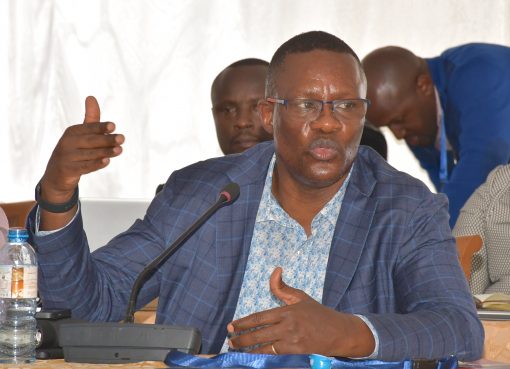
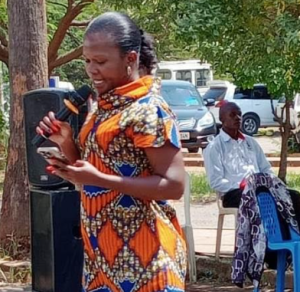
Speaking during the commemoration event held at the Huduma Centre in Kisumu on Friday, County Executive Committee Member (CECM) for Gender, Sports and Youth Affairs, Ms. Beatrice Odongo Wathiaga, reaffirmed the county government’s commitment to protecting survivors and ensuring their voices are heard, respected and supported.
She said sexual violence leaves lasting effects not only on victims but also on families and communities by weakening social cohesion and destabilizing social structures.
“The consequences of sexual violence extend far beyond the immediate victim. We recognize the courage of survivors who continue rebuilding their lives despite the trauma they have endured,” she said.
Observed globally every June 19, the day serves as a reminder of the devastating impact of sexual violence on individuals, families and communities, particularly during periods of conflict and instability.
Odongo said Kisumu County remains committed to strengthening prevention, response and recovery mechanisms through improved access to medical care, psychosocial support, legal assistance and safe shelters for survivors.
She added that the county is actively promoting awareness and prevention programmes aimed at addressing harmful social norms, gender inequality and discrimination, which often contribute to sexual and gender-based violence (SGBV).
According to the CECM, the county is also supporting initiatives that enhance access to justice and accountability for perpetrators while empowering women, youth and vulnerable groups through education, economic opportunities and participation in decision-making processes.
“These measures are critical in achieving gender equality and advancing the Sustainable Development Goals on peace, justice and strong institutions,” she noted.
Odongo urged stakeholders to invest in survivor-centred approaches, strengthen accountability systems and establish safe spaces where survivors can seek assistance without fear of stigma, discrimination or victimization.
She challenged young people to become agents of change by speaking out against harmful cultural practices, promoting respect and equality and championing non-violence and human rights within their communities.
On policy reforms, the CECM revealed that the county’s Sexual and Gender-Based Violence Policy is currently under review. She further announced that a Gender Mitigation and Equity Bill will undergo public participation beginning June 25, 2026, across all seven sub-counties to gather residents’ views before implementation.
To strengthen response systems, she said the county government, in collaboration with human rights organizations, plans to establish a situation room and recovery centres in all seven sub-county hospitals.
The first recovery centre will be established in Muhoroni Sub-County before being replicated in other parts of the county. The situation room will be located at the county referral facility to coordinate reporting, response and support services.
Odongo also disclosed that the county is renovating the Tieng’re Safe Space to enhance its capacity as a secure and supportive environment for survivors seeking refuge and assistance.
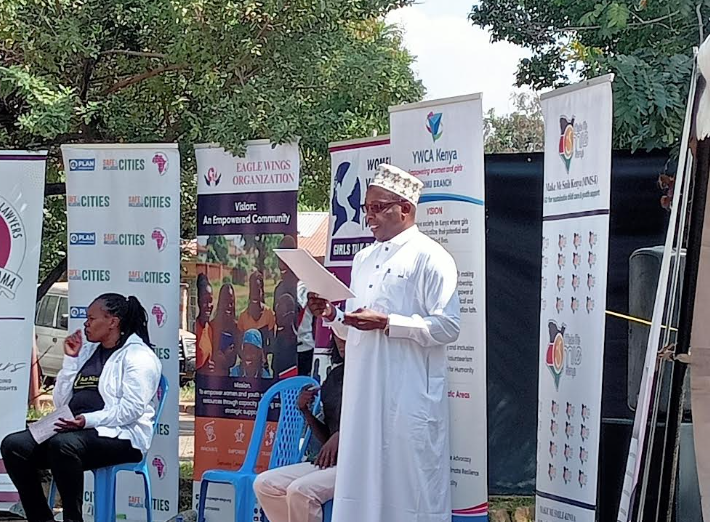
Kisumu County Commissioner Mohamed Mabudzo emphasized the need to restore trust, dignity and hope among affected individuals and communities.
“We have to restore integrity and hope amongst one another,” he said.
Mabudzo noted that recovery from sexual violence goes beyond treating physical injuries and should focus on restoring confidence, livelihoods, dignity and hope among survivors.
He explained that a survivor-centered approach places the rights, needs and choices of survivors at the core of all interventions.
Such interventions, he said, should include comprehensive medical care, trauma counselling, mental health support, legal aid, access to justice, educational opportunities for affected children and adolescents, vocational training and economic empowerment programmes, as well as community support systems that promote acceptance rather than stigma.
The County Commissioner said efforts to reduce gender-based violence would also involve strengthening prevention structures at the community level.
He announced plans to work with headteachers, religious leaders and community health promoters to identify girls at risk of dropping out of school due to poverty, exploitation, early pregnancy or other vulnerabilities that expose them to abuse.
Mabudzo further said boda boda operators and youth groups would be trained on gender-based violence prevention and reporting mechanisms to enable them to serve as advocates for community safety.
In addition, local peace committees and community dispute-resolution structures will be strengthened to address emerging conflicts before they escalate into violence, particularly during elections and periods of insecurity.
The County Commissioner recalled the 2007 post-election violence, which remains one of Kenya’s most painful chapters, noting that many women and girls suffered sexual assault during the unrest that followed the disputed general election.
“Justice is a fundamental right and sexual violence thrives where perpetrators believe they will not be held accountable. We must therefore ensure survivors obtain justice and that offenders face the consequences of their actions,” he said.
He also stressed the importance of engaging men and boys as allies in promoting respect, equality and non-violence, saying community safety is a shared responsibility.
Data from the National Gender and Equality Commission and judiciary reports indicate that Kisumu County recorded a sexual and gender-based violence prevalence rate of 36 percent between 2024 and 2025, placing it above the national average of 32 percent.
Although increased reporting and prosecution of cases is encouraging, officials said the figures remain worrying.
Statistics show that Kisumu recorded 1,007 SGBV cases in 2025, representing an increase of 130 cases compared to the previous year.
Nationally, 170 women lost their lives to gender-based violence-related killings in 2024, while 129 GBV cases had already been reported across the country during the first quarter of 2025.
County officials identified key drivers of SGBV in Kisumu as economic hardship in communities around Lake Victoria, persistent stigma that discourages reporting, and the high cost of prevention, response and survivor support services.
Despite the challenges, the county government expressed optimism that ongoing policy reforms, expanded survivor support services, community awareness programmes and strengthened partnerships with stakeholders will contribute significantly to reducing cases of sexual and gender-based violence.
By Mabel Keya-Shikuku and Salma Omollo