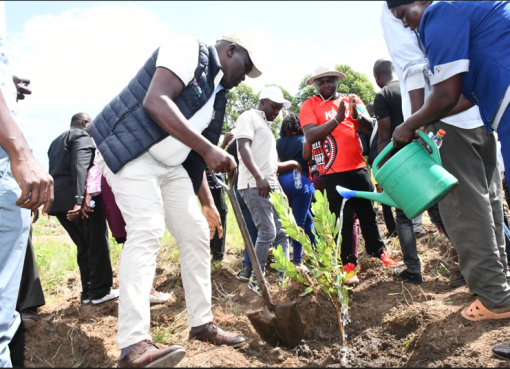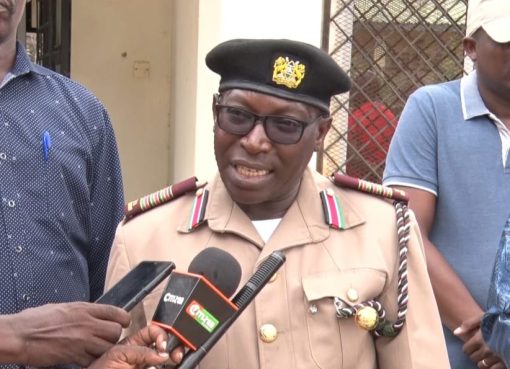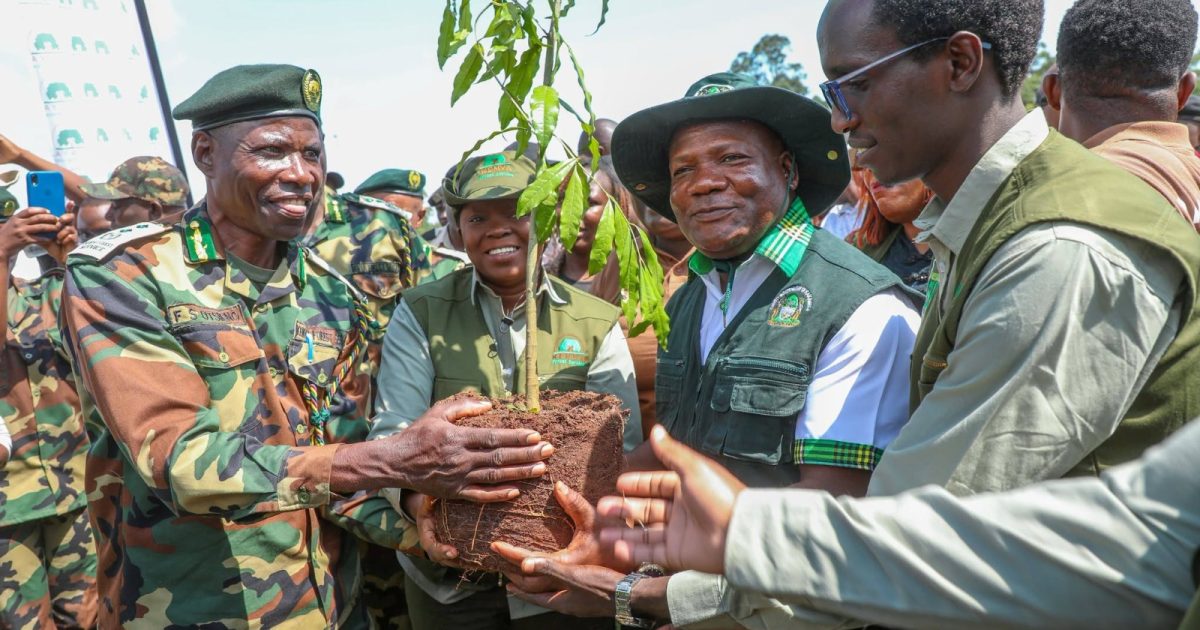
Conservationists and leaders have reiterated the importance of safeguarding Kenya’s only remaining tropical forest by supporting sustainable community-led conservation measures.
Speaking on Monday at the Lwaningu forest block in the Kakamega forest during the marking of World Rainforest Day under the global theme “The Forest Within You,” conservationists are pushing to enhance protection of the 19,792-hectare area against illegal logging and encroachment.
Led by the Environment, Climate Change and Forestry CS Dr. Deborah Barasa; Kenya’s Permanent Representative to the United Nations Environment Programme (UNEP) Ida Odinga; Kakamega Governor Fernandez Barasa and key partners, they noted that the forest provides an important water catchment source and biodiversity preservation with local livelihoods.
Dr. Barasa outlined the policy measures the Ministry has put in place to safeguard the country’s forests, among them the National Forest Policy of 2023, the National Landscape and Ecosystem Restoration Strategy, the National Agroforestry Strategy, the Bamboo Strategy and the National Climate Change Policy and Act, terming them covenants with future generations rather than mere documents.
The CS said the Kenya Forest Service (KFS) is being strengthened with new personnel, training, equipment and deployment to protect forests from illegal logging, encroachment and fires.
She disclosed that KFS has been directed to develop comprehensive guidelines to confront the invasive guava menace threatening Kakamega Forest.
Dr. Barasa said the Kakamega rainforest, which is an extension of the Congo Tropical Rainforest, sustains life far beyond its boundaries, with rivers that flow from the forest feeding all the way into Lake Victoria.
The CS called on every Kenyan to plant trees, particularly indigenous and fruit trees, in homes, schools, churches, farms and public spaces, saying this would restore soil health and provide sustainable income for communities as well as providing nourishment to children.
“This is an economic transformation and not merely environmental work; it fulfills President Ruto’s directive to plant 15 billion trees by 2032 and raise the country’s forest cover to 30 percent, in line with the Bottom-Up Economic Transformation Agenda,” she added.
Kenya’s Permanent Representative to UNEP, Ida Odinga, said her office was committed to courses that advance sustainable forest conservation because of the vital role they play in livelihood sustenance, biodiversity protection and environmental stabilization.
Mrs. Odinga encouraged the planting of indigenous trees to help accelerate forest restoration and enhance climate resilience.
She championed the national mission by the President to grow 15 billion trees by 3032, saying this will ensure sustainable forest management and stressed the importance of engaging local communities in forest protection.
Governor Barasa, in his address, called for stronger collaboration among governments, development partners, scientists and local communities to protect and restore Kakamega Forest, describing it as one of the country’s most important ecological assets supporting biodiversity, water security and climate resilience.
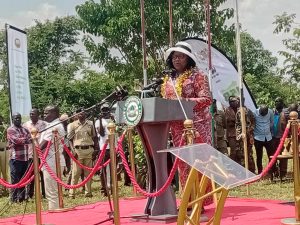
He noted that the forest is home to over 370 plant species, about 400 butterfly species and roughly 360 bird species and expressed concern over threats posed by human encroachment, illegal logging and climate change, emphasizing the need for sustained conservation efforts to safeguard the forest for future generations.
The Governor said his administration has invested over Sh30 million in tree planting activities across all sub-counties in Kakamega County, an effort that has so far seen more than 10 million trees planted countywide.
He said the County Government has also extended support to learning institutions to embed tree growing and environmental conservation into the day-to-day life of schools, terming this an investment in both the environment and in the character of the next generation.
Barasa further used the event to hand over 10,000 coffee seedlings to coffee farmers in Kakamega County, saying the gesture was meant to revive coffee farming in the region and give farmers a sustainable, forest-friendly source of income alongside the County’s wider conservation drive.
“I commend local communities and Community Forest Associations for their continued role in protecting Kakamega Forest, as well as schools and young people whose environmental initiatives are nurturing a new generation of conservation champions,” he said.
Kakamega Forest covers approximately 19,792 hectares across Kakamega, Vihiga and Nandi counties and is estimated to be over two million years old, making it one of Africa’s oldest surviving forest ecosystems.
It is a critical water catchment feeding the Isiukhu and Yala rivers and has an estimated annual value of about US$7.4 million in ecosystem services, supporting livelihoods through ecotourism, beekeeping and sustainable forest products.
Key threats facing the forest include encroachment and illegal settlements, unsustainable extraction of forest products, illegal logging, charcoal burning, forest fires, climate change and land degradation, according to the State Department for Forestry.
World Rainforest Day is marked annually on June 22 since 2017 to raise awareness on the importance of rainforests and the urgent need to protect and restore them.
By George Kaiga and Godfrey Wang’anya