Young artists and content creators in Eldoret have called for stronger government action against piracy, unpaid royalties and the lack of formal certification for trained artisans.
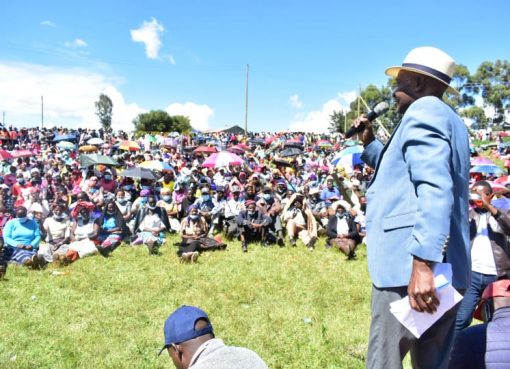
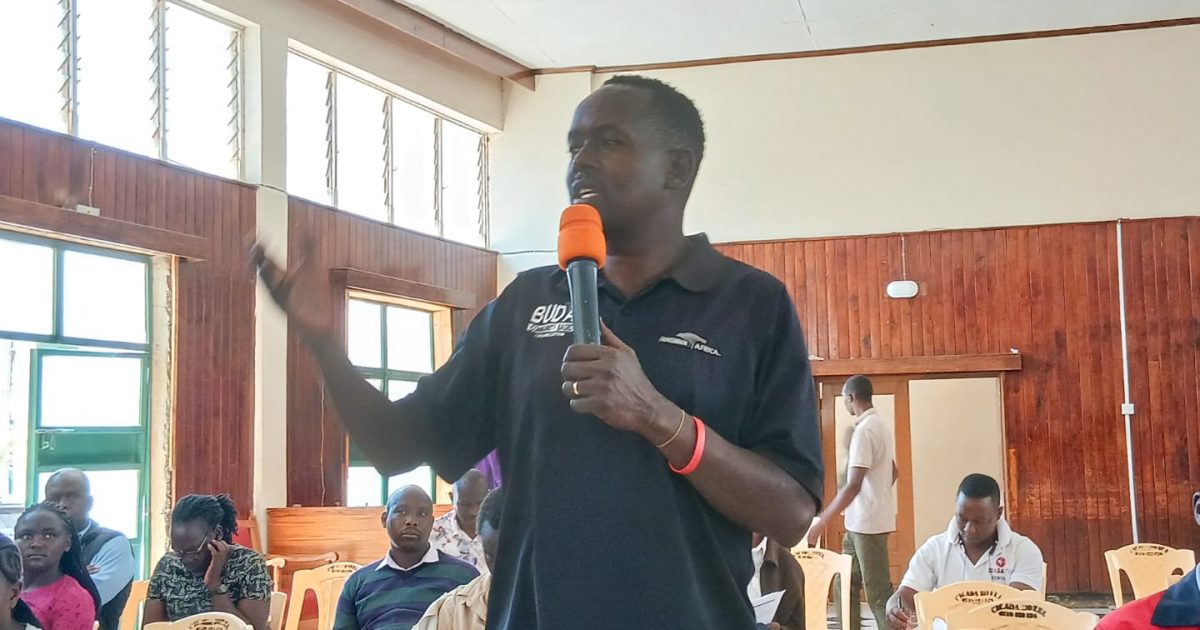
The concerns were raised on Wednesday during a public participation forum on the Creative Economy Bill, 2026, held at the Uasin Gishu County Multipurpose Hall.
The session was chaired by members of the National Assembly Sports and Culture Committee, Turbo MP Janet Sitienei and Malava MP David Ndakwa.
The legislators outlined the objectives of the proposed legislation before inviting members of the public to make submissions. Most of the speakers highlighted challenges they face in the creative industry, which they said they hoped the Bill would address once enacted into law.
Artist Sammy Kiprop said many young artists lack access to affordable studios and other resources, leaving some vulnerable to harmful activities, including drug abuse and dealing.
He urged Parliament to include provisions that would create more economic opportunities and generate employment for young people in the creative sector.
Leonard Kiplagat, who runs a two-year-old creative museum, called for stronger measures to protect creative works from piracy.
Kiplagat said visitors to his museum routinely take photographs and videos of exhibits without permission and later use the material for commercial purposes, denying him potential income from his work.
He urged the Government to establish stronger mechanisms to protect artists and other creatives from unauthorised use of their work.
Fashion designer and trainer Ann Kamau said many of her trainees struggle to secure employment because they lack recognised professional certification.
She appealed to Parliament to ensure the proposed legislation provides greater support for young people in the fashion industry, including access to formal certification, training and employment opportunities.
Comedian Anthony Sitienei, popularly known as Konte Chizi, said content creation had evolved from a hobby into a source of livelihood for many young people.
He urged the Government to collaborate with digital platforms such as TikTok to establish mechanisms that would enable creators to benefit fairly from their content.
“I started content creation as a passion for entertainment, but now it has become a livelihood and a source of income. If the Government can collaborate with platforms like TikTok to monetise artists, that would be very good,” he said.
Musician Kelvin Kiprop welcomed the proposed legislation but raised concerns over unpaid royalties from the Music Copyright Society of Kenya (MCSK).
“This is a key conversation. We have been concerned about royalties. MCSK has not paid deserving artists their royalties for a long time, despite registering our content,” said Kiprop.
He, however, expressed appreciation for platforms such as Skiza Tunes, which he said had provided musicians with opportunities to earn directly from their work.
In her closing remarks, Sitienei said the Bill seeks to establish a legal and institutional framework for the development and growth of Kenya’s creative economy.
“This Bill seeks to establish the legal and institutional framework for the development and growth of the Kenyan creative economy. It also recognises that the creative economy is a source of job creation, business, investment and income,” she said.
Sitienei said the proposed law would cover creatives, digital content creators, the film and audiovisual industry, creative businesses, fashion designers and musicians, as well as the general public as consumers and stakeholders.
She added that the Bill aims to nurture, support and grow the creative economy so that Kenyan creatives can compete regionally and internationally.
The legislation would also provide a regulatory framework for the creation, development, distribution and marketing of creative works.
Sitienei noted that Kenyan content remained underrepresented on local television compared with content from other African countries, adding that the proposed framework would seek to strengthen the local creative industry.
by Rooney Kiprop and Purity Nafula