Nearly 1.5 million Kenyans are estimated to be living with chronic Hepatitis B, yet the majority remain unaware they carry the potentially life-threatening virus.
According to the World Health Organization (WHO) Global Hepatitis Report 2026, only 13 percent of people living with chronic Hepatitis B globally know their status, leaving millions at risk of developing severe liver disease and liver cancer without timely treatment.
For Michelle Maina, a resident of Kikuyu in Kiambu County, a routine antenatal clinic visit provided the answer she never expected.
Like many expectant mothers, she attended the appointment anticipating standard pregnancy tests and reassurance about her health. Instead, one of the routine blood tests revealed she was living with Hepatitis B.
“I didn’t have any symptoms. I felt completely fine,” recalls Michelle, whose name has been changed to protect her identity. “If I wasn’t pregnant, I don’t think I would have known.”
The diagnosis came as a shock, raising concerns about her health and that of her unborn child. Doctors, however, reassured her that the infection could be managed. She was started on treatment during pregnancy and closely monitored to reduce the risk of transmitting the virus to her baby.
Today, the virus remains inactive, and she only attends routine follow-up appointments to monitor her health.
Michelle’s story reflects the experience of many Kenyans who only discover they are living with Hepatitis B during pregnancy, blood donation, or routine medical examinations.
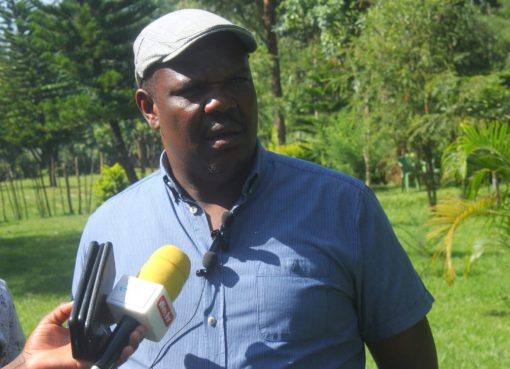
Speaking to the Kenya News Agency, Dr. Alloysius Luambo of Mama Lucy Kibaki Hospital says Hepatitis B is a viral infection that attacks the liver and is diagnosed through a simple blood test.
“Many people do not know they have Hepatitis B because the infection may remain silent for years. By the time symptoms appear, significant liver damage may already have occurred,” he says.
According to Ministry of Health estimates, about 1.5 million Kenyans are living with chronic Hepatitis B. While some people naturally suppress the virus, others risk developing liver damage, cirrhosis and liver cancer if the infection is not detected and managed early.
“If we identify someone at risk of liver complications early and provide appropriate treatment, we significantly reduce the risk of liver damage and liver cancer,” says Dr. Luambo.
Early diagnosis was particularly important in Michelle’s case because it helped protect her baby from infection.
According to the WHO, up to 90 percent of babies born to mothers with high levels of the virus can become infected during childbirth if no intervention is provided. However, treatment during pregnancy and timely vaccination of newborns can reduce the risk to below 10 percent.
Kenya has made significant progress in prevention through routine childhood immunization and antenatal screening programs. Dr. Luambo is encouraging adults born before the Hepatitis B vaccine was introduced into Kenya’s childhood immunization program in 2003 to get screened, especially if they have never been vaccinated.
“Adult screening is encouraged, particularly for those born before 2003. If you have never been vaccinated, get screened. If you test positive, seek treatment,” he advises.
Hepatitis B spreads through contact with infected blood and body fluids, including during childbirth, unprotected sexual contact, and exposure to contaminated needles or medical equipment.
Globally, WHO estimates that 254 million people were living with chronic Hepatitis B in 2024, with Africa accounting for the majority of new chronic infections.
Despite its burden, the disease receives relatively little public attention, with stigma and misconceptions continuing to discourage some people from seeking testing and treatment.
While there is currently no cure, experts say ongoing research is showing promise. Until then, early diagnosis, treatment where necessary, and regular monitoring remain the most effective tools in preventing serious complications.
Looking back, Michelle believes the routine pregnancy test that revealed her condition changed her life.
“I found out because I was pregnant,” she says. “Many people don’t know they have it. If getting tested can help someone start treatment early or protect their baby, then it’s worth knowing your status.”
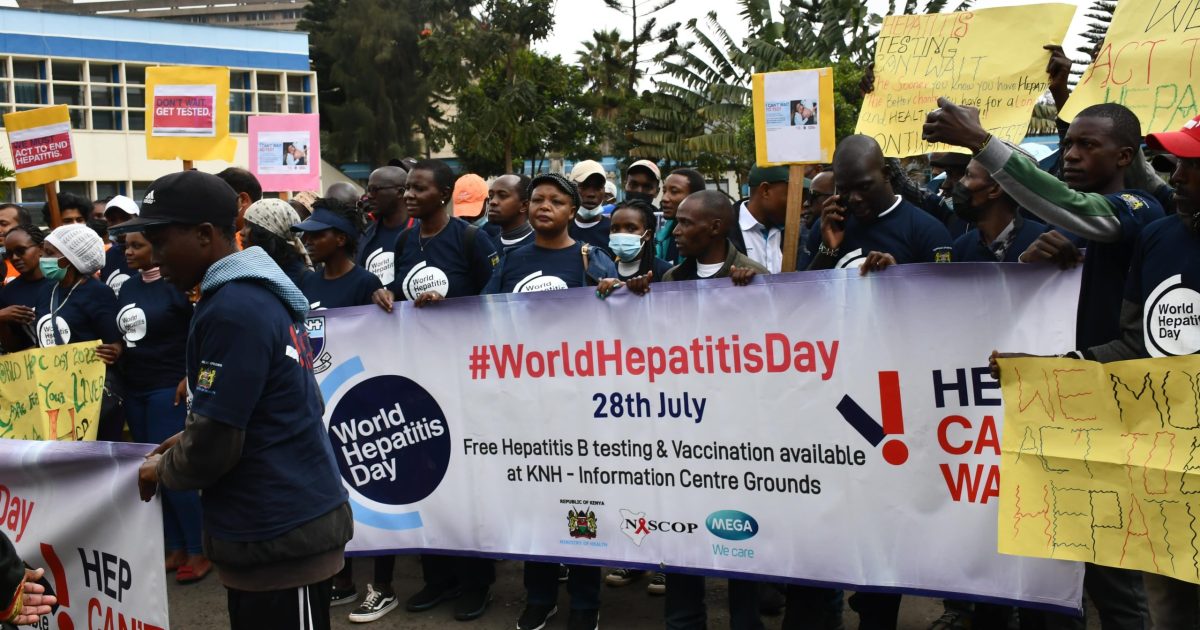
As Kenya strengthens efforts to eliminate viral hepatitis as a public health threat, health experts are urging more adults to get screened and know their status before complications develop.
By Annrita Mutembei