Kenya is set to adopt new World Health Organization (WHO) treatment guidelines for visceral leishmaniasis (Kala-azar) and post-kala-azar dermal leishmaniasis (PKDL), paving the way for patients to receive shorter, safer and more effective treatment regimens.
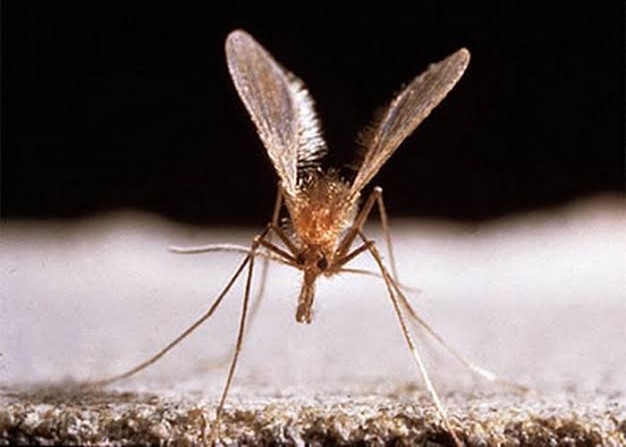
Kala azar, also known as visceral leishmaniasis, is a severe, life-threatening parasitic disease spread by infected sandflies. It attacks internal organs like the spleen and liver, and it is fatal in over 95 percent of cases if left untreated.
Kala-azar surge in Kenya in 2025, reached 3577 cases across 12 endemic counties, double the number of cases in 2024. The disease affected arid and semi-arid regions.
Twelve counties are currently endemic for visceral leishmaniasis, including Turkana, Baringo, West Pokot, Marsabit, Kitui, Machakos, Meru, Isiolo, Wajir, Garissa, Mandera, and Tharaka Nithi.
According to the Ministry of Health, they are working to incorporate the revised WHO recommendations into the country’s national treatment guidelines.
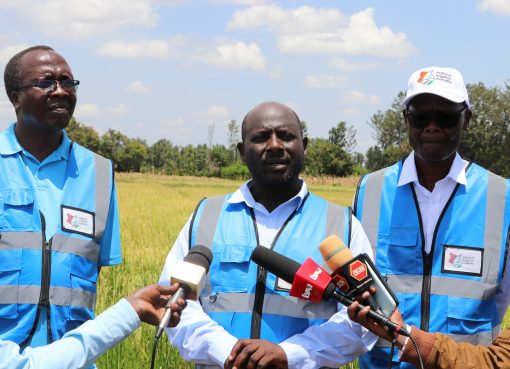
Head of the Division of Vector Borne and Neglected Tropical Diseases at the Ministry of Health, Wycliff Omondi, said the move will enable Kenyan patients to benefit from improved therapies as soon as possible.
“Now that WHO has updated its treatment guidelines, we are working to include the new treatments in our national guidelines, so our patients can benefit from them as soon as possible,” said Omondi.
He noted that Kenya played a key role in developing the new treatments through the Leishmaniasis East Africa Platform (LEAP), expressing confidence that the advances would contribute to eliminating the disease.
The updated WHO guidelines recommend shorter, safer and more patient-friendly treatments for visceral leishmaniasis and PKDL in Eastern Africa and South-East Asia, replacing some of the older regimens that relied on sodium stibogluconate (SSG), an injectable drug associated with lengthy treatment, painful daily injections and severe side effects.
For the first time, WHO recommends SSG-free treatment options for eligible patients.
In Eastern Africa, the organization recommended an oral drug, miltefosine, in combination with paromomycin injection for the treatment of both visceral leishmaniasis and PKDL.
The new regimen reduces treatment duration to 14 days while lowering toxicity and reducing the number of injections.
In South-East Asia, WHO recommends shorter combination therapies using liposomal amphotericin B alone or with oral miltefosine for treating PKDL.
The revised guidelines also provide updated recommendations for managing relapsed visceral leishmaniasis cases and include revised safety guidance and dosing for miltefosine.
WHO Director of Malaria and Neglected Tropical Diseases Dr. Daniel Ngamije Madandi said the revised guidelines represent a major step towards improving patient care.
“For too long, patients suffering from leishmaniasis have endured treatments nearly as punishing as the disease itself, especially in Africa. These new WHO guidelines mark a turning point,” he said.
Kala-azar is a parasitic disease transmitted through the bite of infected sandflies. It causes prolonged fever, weight loss, anemia, and enlargement of the spleen and liver and is fatal if left untreated.
WHO estimates that between 50,000 and 90,000 new cases occur globally each year, although less than half are officially reported.
PKDL is a skin condition that can develop after treatment for kala-azar. While not life-threatening, it can contribute to continued transmission of the disease and often subjects patients to stigma and social exclusion.
WHO said the new recommendations are expected to benefit nearly half of primary visceral leishmaniasis patients and all PKDL patients in endemic regions. Several of the therapies were developed by the Drugs for Neglected Diseases initiative (DNDi) and partners.
By Wangari Ndirangu