Kenya’s flower industry is shifting focus to emerging global markets as growers grapple with rising freight charges, high input costs, and supply chain disruptions that threaten export growth of the delicate sector.
The floriculture sector recorded export earnings of Sh81.3 billion in 2025, up from Sh72.1 billion in 2024, cementing its position as one of Kenya’s top foreign exchange earners.
According to the Agriculture and Food Authority—Horticultural Crops Directorate (AFA-HCD), Kenya exported 457,700 tonnes of horticultural produce valued at Sh143.78 billion in 2025. Cut flowers accounted for 62 percent of the total export value, followed by fruits at 19 percent, vegetables at 15 percent, and medicinal and aromatic plants at four percent.

AFA Acting Director General, Calistus Kundu, said export volumes rose from 102,500 tonnes in 2024 to 130,600 tonnes in 2025, with the Netherlands accounting for an average of 46 percent of Kenya’s flower exports over the two-year period.
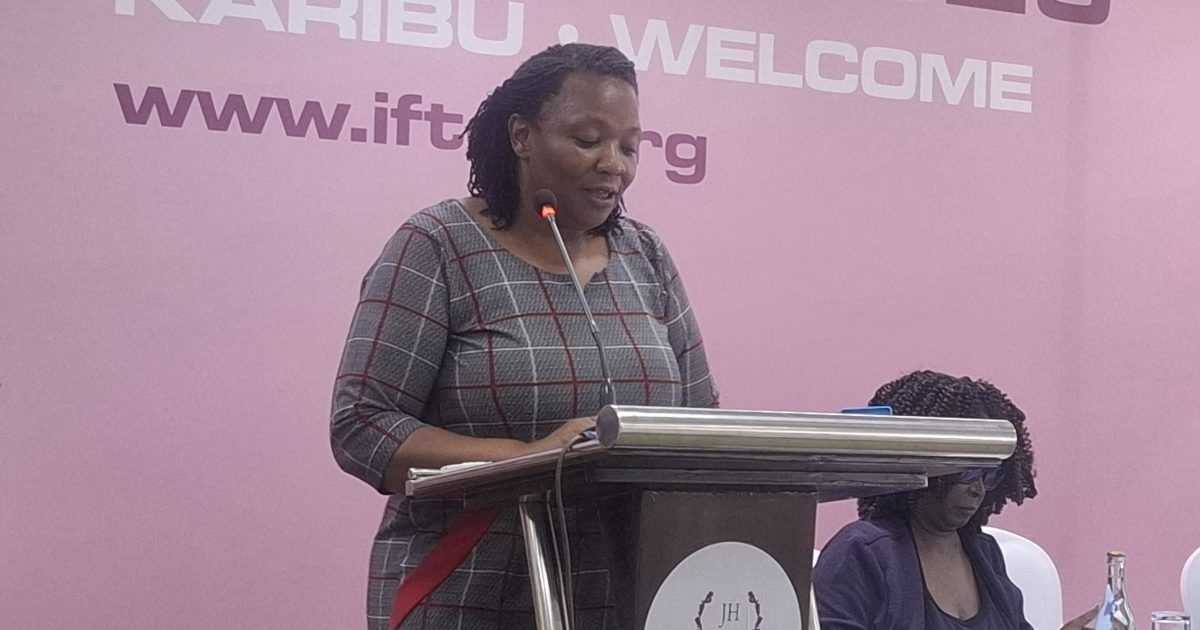
In a speech read on his behalf by Dorah Odundo, of the Horticultural Crops Directorate during a press briefing in Nairobi ahead of next week’s International Flower Trade Exhibition (IFTEX) 2026, Kundu said the government continues to implement policies aimed at strengthening the sector’s competitiveness.
“We have been enforcing quality standards, streamlining licensing and compliance procedures, supporting sustainability and traceability requirements, and expanding market access through trade engagements and international exhibitions,” he said.
Kundu added that the Directorate is also supporting new growers entering the export market through capacity building, promotion of Good Agricultural Practices (GAPs), and strengthening linkages between growers, exporters, logistics providers, and international buyers.
He called on local and international stakeholders to participate in the International Flower Trade Expo (IFTEX) 2026, describing it as a key platform for trade, collaboration, and showcasing Kenya’s leadership in global floriculture.
Meanwhile, the Kenya Flower Council (KFC) has warned of possible export losses, job cuts, and farm closures as escalating air freight charges and global supply chain disruptions continue to strain the industry.
Lina Jamwa from KFC said the sector is experiencing one of its most difficult periods since the Covid-19 pandemic, driven by geopolitical tensions in the Middle East, rising fuel prices, and logistical challenges.
She revealed that air freight costs have increased from about Sh400 (USD 3.10) to nearly Sh650 (USD 5) per kilogramme, significantly raising export expenses for the highly perishable flower industry. Freight costs now account for between 40 and 60 percent of total export costs during peak seasons.
“Nearly USD 4 million worth of flower exports are currently at risk every week, while fertilizer prices have increased by about 25 percent within a week. Some farms have recorded revenue losses of up to 75 percent because of shipment delays and perishability,” she said.
Jamwa further noted that over Sh10 billion in pending VAT refunds has created a liquidity crisis for growers and exporters, warning that if the situation persists for the next 30 to 60 days, export volumes could decline by up to 20 percent, with potential monthly losses exceeding USD 15 million and up to 50,000 jobs at risk.
Despite the challenges, she said Kenya remains globally competitive due to its favorable climate, advanced logistics systems, and strong sustainability standards.
“Over 92 percent of member farms have adopted integrated pest management systems, while more than 85 percent use efficient irrigation technologies and over 60 percent have embraced renewable energy solutions,” Jamwa added.

The industry is now calling on the government to urgently release pending VAT refunds, provide temporary tax relief on fertilizers and agricultural inputs, and review statutory levies to cushion growers from rising operational costs.
Jamwa maintained that Kenya remains a reliable and sustainable supplier of flowers to the global market, exporting to more than 60 countries and retaining its position as Africa’s leading flower exporter and one of the world’s top exporters of roses.
Dr. Isaac Macharia, Director of Phytosanitary and Biosecurity Services at the Kenya Plant Health Inspectorate Service (KEPHIS), said Kenya has strengthened compliance with global phytosanitary standards through automation and improved inspection systems.
He added that the country has streamlined the issuance of phytosanitary certificates and plant import permits through the Integrated Export-Import Certification System (iEICS), while adoption of the IPPC e-Phyto Hub has reduced delays associated with paper-based documentation.
Dr. Macharia added that Kenya has further modernized its central reference laboratories to support rapid pest detection and identification in line with international quarantine standards.
“To maintain competitiveness in global markets, Kenya has also enhanced pest management and export compliance measures, including the implementation of the Rose False Codling Moth Systems Approach, which has improved compliance for rose exports to the EU, UK, and South Korea,” he said.
He urged exhibitors participating in IFTEX 2026 to strictly adhere to market requirements, noting that compliance remains Kenya’s key competitive advantage.
IFTEX Chief Executive Officer and organizer, Dick van Raamsdonk, said the annual exhibition has continued to grow, describing it as a key indicator of trends in the global flower trade.
He noted the number of exhibitors, which has increased from 189 last year to a record 210 exhibitors this year, with nearly 20 percent being new growers.
“These are exactly the kind of exhibitors flower buyers from around the world want to meet when they visit IFTEX,” he said.
Van Raamsdonk noted that despite increasingly strict carbon emission regulations in Europe and rising global trade challenges, Kenya’s flower industry has continued to demonstrate resilience.
The International Flower Trade Expo (IFTEX) 2026 will be held from June 2 to 4 at the Oshwal Centre in Nairobi.
Kenya’s floriculture industry is now targeting expansion into emerging markets in North America, Southeast Asia, the Middle East, and Eastern Europe to reduce overreliance on traditional European markets.
The sector generated about Sh110 billion in export earnings in 2025 and contributes approximately 1.5 percent to Kenya’s GDP. It supports more than 200,000 direct jobs and sustains over one million livelihoods across farming, logistics, and export value chains, with women accounting for more than 60 percent of the workforce.
By Wangari Ndirangu