The Kenya Maritime Authority (KMA) has intensified efforts to expand employment opportunities for Kenyan seafarers through the signing of recognition agreements with four countries, a move expected to unlock more than 14,000 jobs for Kenyans aboard international vessels.
The agreements, signed with Singapore, the Dominican Republic, the Kingdom of Saudi Arabia and the Republic of Korea, are aimed at enhancing the global competitiveness of Kenyan seafarers while increasing the country’s earnings through foreign remittances.
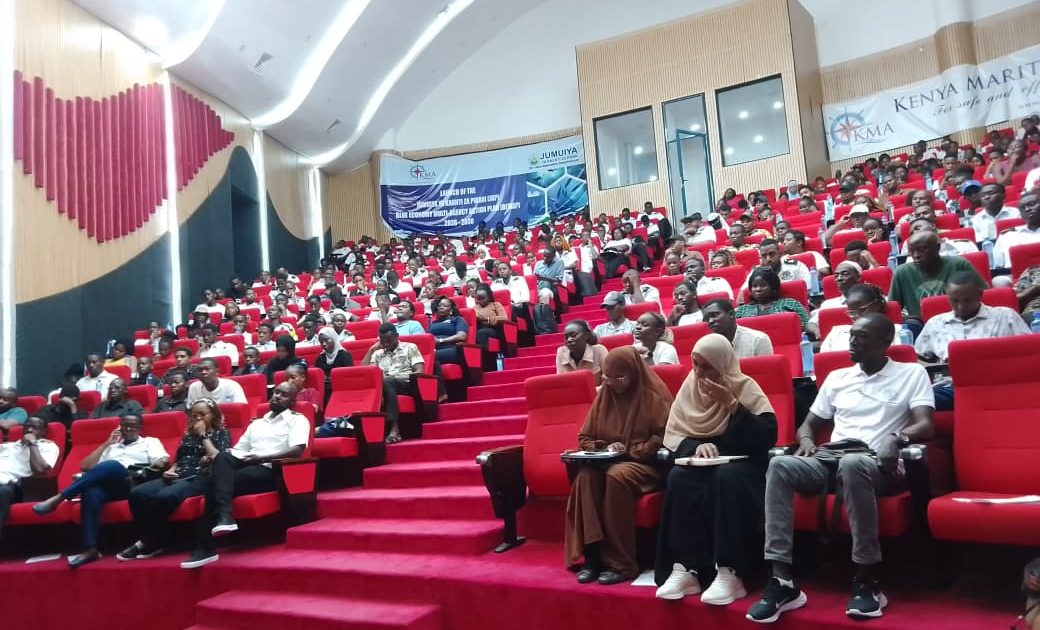
Speaking during a Cadet Sensitization Forum held in Mombasa, KMA Director General CPA Omae Nyarandi said the authority was committed to positioning Kenya as a leading supplier of skilled maritime labour to the international shipping industry.
Nyarandi said the agreements would provide Kenyan seafarers with access to employment opportunities in international fleets while strengthening the country’s participation in the global maritime economy.
“The agreements we have signed will shape the maritime future for our seafarers and cadets by creating access to global opportunities,” he said.
He revealed that KMA was also engaging additional international partners with the aim of securing more employment openings for Kenyan seafarers and maritime graduates.
The Director General further announced that the authority had awarded a contract for the production and delivery of Seafarers’ Identity Documents (SIDs), an important requirement for seafarers seeking employment abroad.
According to Nyarandi, the contractor is expected to complete the assignment within two months before the SID sample is submitted to the International Labour Organisation (ILO) for review and approval to ensure compliance with international standards.
“Our efforts demonstrate that the Authority listens to the needs of seafarers and is making every effort to ensure Kenyan seafarers are ready for employment in the international labour market,” he said.
He challenged cadets to embrace professionalism, discipline and lifelong learning, noting that they represent the future of Kenya’s maritime sector.
“As cadets, you are the future of Kenya’s maritime industry. You will carry our nation’s flag across oceans, uphold our reputation in international waters and ensure Kenya remains a trusted partner in global trade,” he said.
Bandari Maritime Academy Senior Principal Trainer Franklyne Toniok observed that Kenya’s Seafarers’ Identity Document remains underutilised despite its potential to enhance employment opportunities for trained seafarers.
He called for stronger partnerships between government agencies, maritime institutions and industry players to create pathways linking SID holders to available jobs in the international maritime labour market.
Toniok noted that while Kenya is projected to have received approximately Sh650 billion in foreign remittances in 2025, seafarers currently contribute less than one percent of the total amount, highlighting the need to tap into the sector’s untapped potential.
Captain Peter Munga, Chief Training Operations Officer at Harbour View Maritime Training Institute, urged cadets to cultivate a strong safety culture and maintain high professional standards throughout their careers.
He said employers in the maritime industry increasingly assess personal character alongside academic qualifications, making discipline, integrity, confidence and communication skills essential attributes for career success.
The East Africa Regional Representative of the International Transport Workers’ Federation (ITF), Betty Makena, cautioned cadets against rogue agents who exploit job seekers by fraudulently stamping seamen’s books in exchange for money.
She warned that falsified sea-time records could permanently damage the careers of aspiring seafarers and tarnish Kenya’s reputation in the international maritime sector.
“Employers are now actively verifying sea-time records directly with shipping companies. Cadets should report anyone demanding payment for job placement to KMA or ITF offices,” she said.
Makena also called for increased participation of women in maritime careers, noting that women currently account for only two percent of crew members on container and LPG vessels globally.
She encouraged maritime training institutions to continue supporting female enrolment and mentorship programmes to bridge the gender gap in the sector.
Meanwhile, Genevieve Muthoni, an engineering student, appealed to the government to facilitate more job opportunities for maritime cadets and extend access to Higher Education Loans Board (HELB) funding and bursaries to ease training costs.
by Mary Mtawa and Joan Kinuthia