Mining-affected communities in Kwale County have threatened to seek legal redress over the management of mining royalties, citing concerns over transparency, public participation and equitable distribution of benefits from mineral resources.
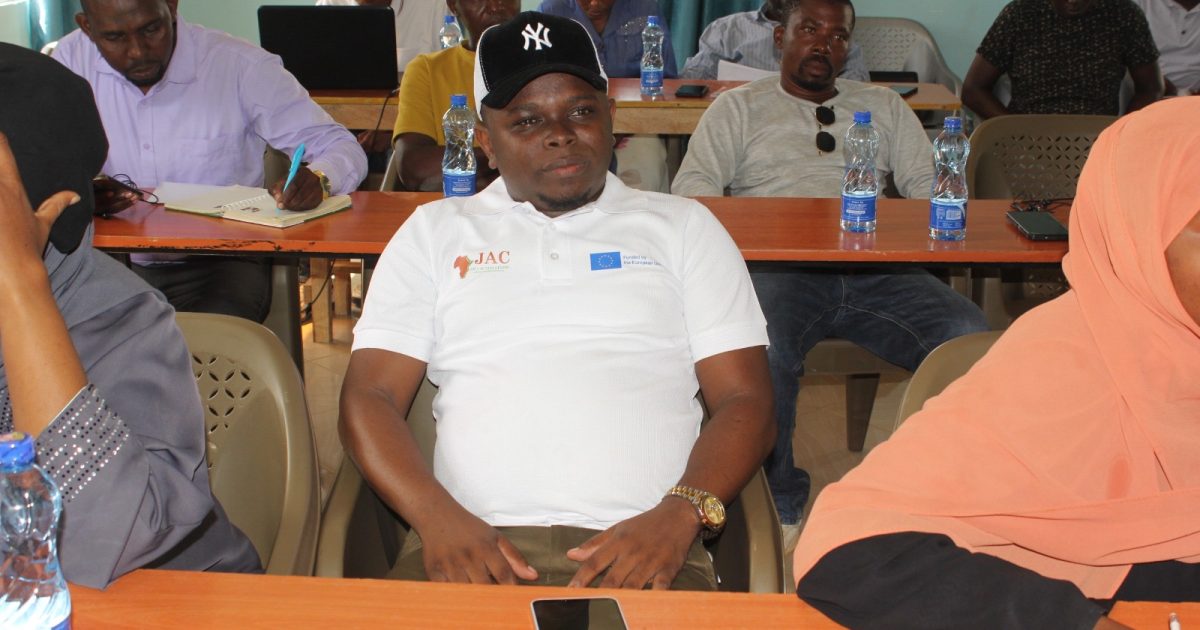
The concerns were raised during a consultative meeting organized by Kwale Mining Alliance (KMA), which brought together representatives from Kinondo, Kinango, Mrima and other mining-affected areas to review community issues related to mining revenue management.
Speaking at the meeting, KMA Deputy Coordinator Mahmoud Baroh said residents were dissatisfied with the way mining royalties allocated to county governments and local communities are being managed.
“The issue is not that there is no development, but that communities living with the impact of mining are not meaningfully involved in deciding how these resources are used,” said Baroh.
He questioned the allocation of royalty funds through a supplementary budget, citing the allocation of funds towards the upgrading of Kinondo Polytechnic, arguing that communities had identified other priorities.
“We have consistently raised issues of healthcare, roads, water and livelihoods. These are the priorities of the people on the ground,” he said.
Baroh also called for greater clarity on the management of the affected community fund, saying residents lacked sufficient information on its administration and beneficiaries.
According to him, more than 250 residents have signed and submitted a petition to the Kwale County Assembly seeking accountability and transparency in the allocation of mining revenues.
“If our concerns are not addressed, we are prepared to pursue public interest litigation to protect community rights,” he said.
The issue of representation in mining governance also featured prominently during the discussions.
Mrima Farmers Community-Based Organization (CBO) Chairman Justus Mwero Mwachupa said communities in the proposed mining areas had organized themselves to enhance their participation in engagements involving government agencies and investors.
“We decided we cannot remain silent when decisions about our land are being made without us,” said Mwero.
He noted that residents from villages around Mrima Hill area had established representative committees and governance structures to coordinate community participation, address disputes and engage on environmental matters.
Mwero added that the structures would also support civic education programmes on land rights, compensation and negotiation processes ahead of future mining-related engagements.
In Denyenye, residents called for increased public awareness on mining laws and community rights.
Community member Sikudhani Alphonse said many residents lacked adequate information on land rights, compensation mechanisms and avenues for resolving disputes arising from mining activities.
“We need to be educated on land rights, compensation and how to defend ourselves in a lawful way,” she said.
While acknowledging development projects undertaken through corporate social responsibility programmes by mining companies operating in the county, Alphonse called for greater transparency on revenue-sharing arrangements and beneficiary identification.
“We see development projects, but the question remains: who exactly is the community that benefits?” she posed.
The concerns come amid ongoing national discussions on natural resource governance, public participation and benefit-sharing in Kenya’s extractive sector.
Community leaders said dialogue remained their preferred approach but maintained that legal options would be considered if concerns over transparency, representation and revenue distribution remain unresolved.
by Chari Suche