The Judiciary has reaffirmed its commitment to mediation as a transformative tool for resolving family disputes, with a call for greater adoption of alternative dispute resolution mechanisms to promote harmony and preserve relationships.
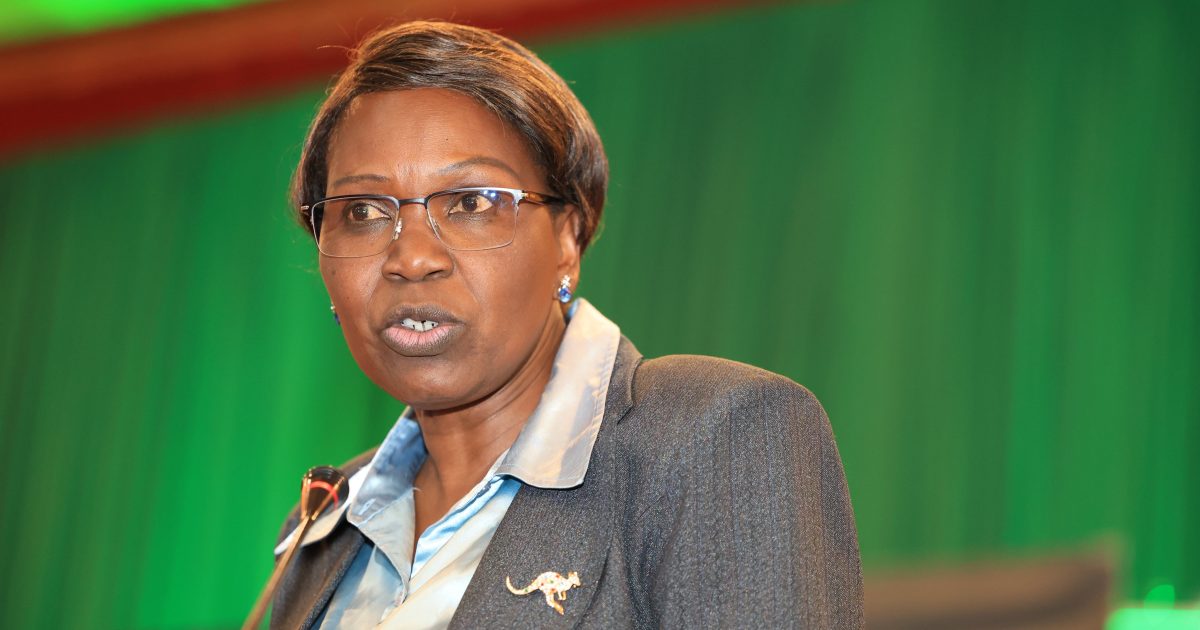
Speaking during the opening of the 4th Mediation Summit at Strathmore University, Court of Appeal Judge Justice Hellen Omondi said that mediation has emerged as a powerful pillar in enhancing access to justice in Kenya.
Justice Omondi noted that what began a decade ago as a pilot under Court-Annexed Mediation (CAM) in Nairobi’s Family and Commercial Divisions has grown into a nationwide programme embedded in 120 court registries across all 47 counties.
“The impact is undeniable,” she said, adding that over Sh95 billion previously tied up in litigation has since been released back into the economy through mediated settlements.
Beyond financial gains, she emphasized the social value of mediation, saying it has helped restore broken relationships, kept businesses afloat and shielded families from the trauma of prolonged court battles.
“Disputes are now resolved with incredible speed, with an average turnaround time of just 124 days,” she noted.
Justice Omondi underscored that mediation is anchored in the Constitution, citing Articles 48 and 159, which guarantee access to justice and promote alternative dispute resolution mechanisms.
She said these provisions empower citizens to resolve conflicts outside traditional courtroom processes.
The Appellate Court Judge illustrated the effectiveness of mediation through a landmark family dispute involving the estate of former Provincial Commissioner Charles Murgor, which had remained unresolved in court for 24 years.
“An estate worth Sh2 billion had been frozen in litigation for over two decades. Yet in just three days of mediation sessions, a settlement was reached,” she said.
She disclosed that the sessions were facilitated by mediator Denis Magare, now a High Court judge.
“That moment redefined justice for me. True justice is not a decree handed down from a bench; it is what families decide for themselves,” she said.
Justice Omondi added that even in her current role at the Court of Appeal, she continues to refer appropriate cases to mediation, noting that beneath legal arguments often lie relationships in need of healing.
She stressed that family disputes, the central theme of this year’s summit, require approaches that go beyond the adversarial nature of litigation.
“Legal battles won in courtrooms are hollow if they leave a home in ruins,” she said, adding that mediation offers a platform grounded in dignity, dialogue and mutual agreement.
The Judge reiterated that Article 45 of the Constitution recognises the family as the fundamental unit of society, warning that prolonged disputes can undermine social stability, particularly affecting children.
The three-day summit is expected to explore key areas including matrimonial property, child-focused mediation, cross-border parental disputes, and estate planning, as well as emerging issues such as the use of artificial intelligence in dispute resolution.
Justice Omondi highlighted the need to integrate mediation into emerging areas of family law, including surrogacy arrangements, noting that such agreements are deeply personal and often complex.
“Surrogacy agreements are far more than commercial contracts; they are deeply personal covenants. Embedding mediation into these arrangements helps address emotional complexities and potential disputes,” she said.
She urged legal practitioners to incorporate mediation clauses in such agreements to ensure disputes are resolved privately and amicably.
In her capacity as President of the International Association of Women Judges (IAWJ-Kenya), Justice Omondi emphasized the need for gender-responsive mediation frameworks, particularly in disputes involving women and children.
“Family disputes often weigh most heavily on women and children. It is our duty to champion mechanisms that protect dignity and safeguard the vulnerable,” she said.
She called for strengthened collaboration among the Judiciary, civil society, policymakers and international partners to enhance public trust and promote mediation as a preferred mode of dispute resolution.
Justice Omondi further encouraged Kenya to ratify the Singapore Convention to facilitate enforcement of international mediated settlements, noting that private mediation holds the key to reducing court backlog and promoting efficiency.
“The real game changer lies in citizens choosing private mediation before disputes escalate into litigation,” she said.
She urged stakeholders to remain focused on delivering people-centred justice.
“Behind every case file is a human story, a family in conflict, children awaiting certainty, and relationships hanging in the balance,” she said.
On behalf of the Chief Justice, she expressed confidence in the summit’s outcomes and reaffirmed the Judiciary’s commitment to advancing mediation as a cornerstone of access to justice.
The summit, themed “Mediation in Family Disputes,” has brought together judges, magistrates, mediators, legal practitioners, academics and policymakers to deliberate on strengthening alternative dispute resolution in Kenya.
by Celestine Lomolijah