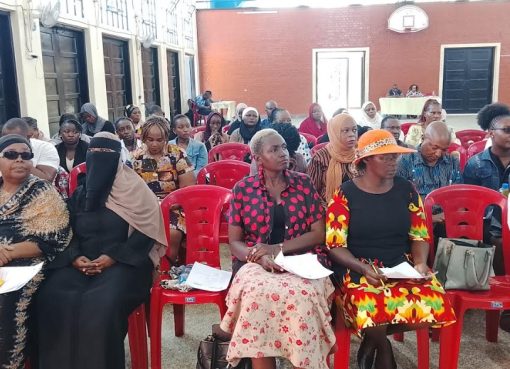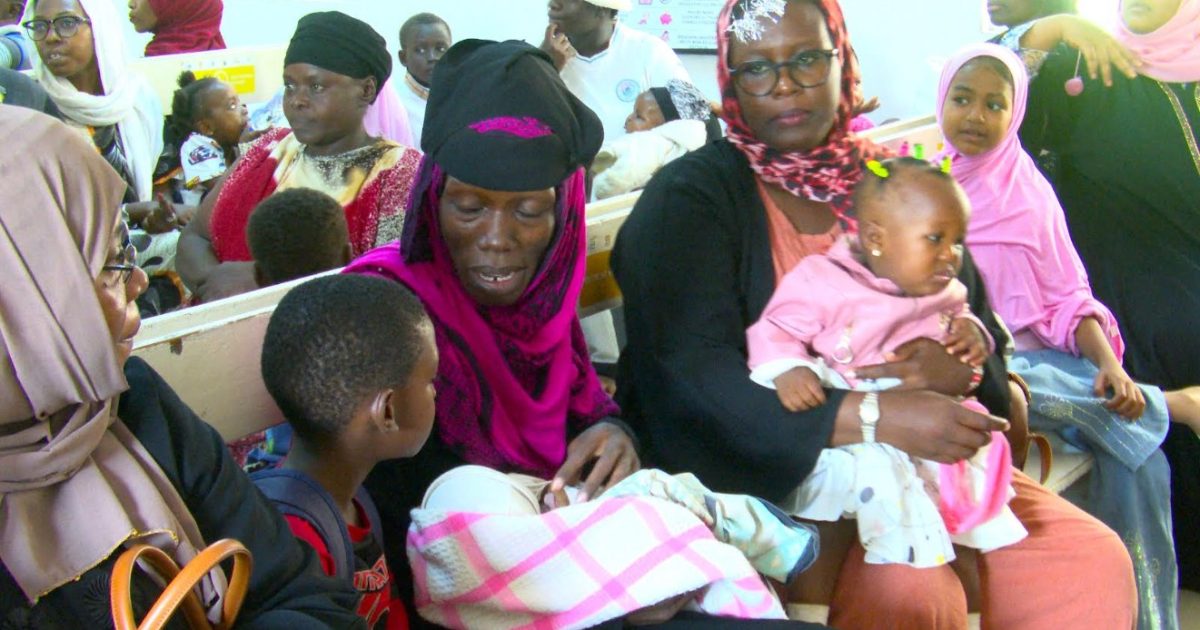
Health officials in Mombasa County have renewed calls for workplaces, health facilities and families to strengthen support for nursing mothers as the county wound up activities marking World Breastfeeding Week at Ganjoni Dispensary, with eight breastfeeding centres established across the county.
County Nutrition Officer Esha Muhammad Bakari said the centres were part of efforts to create supportive environments where mothers can breastfeed or express and safely store breast milk while at work or seeking services.
Speaking during the event, Bakari said World Breastfeeding Week, marked globally from August 1 to 7, was designated to protect, promote and support breastfeeding.
“This week is set aside by the United Nations, and we are here to make sure we protect, promote and support breastfeeding,” Bakari said.
This year’s global theme, “Breastfeeding for a Sustainable Start in Life: Strengthen What Works”, calls on governments, workplaces, health systems and families to build on proven approaches that improve exclusive breastfeeding rates.
Bakari said the theme was intended to encourage county and community-level actors to consolidate interventions that are already working, noting that exclusive breastfeeding during the first six months provides infants with essential nutrition and immunity.
“Breastfeeding, from birth up to six months, is the only way a mother can nourish her child fully. That milk carries immunity, good nutrition and everything the baby needs,” she said.
She said the county nutrition office conducts breastfeeding support activities daily at health facilities and in communities, but the annual observance provides an opportunity to draw greater public attention to the importance of breastfeeding.
On workplace support, Bakari said eight breastfeeding centres had so far been established in workplaces and health facilities across Mombasa.
One of the centres is at Ganjoni Dispensary, where health workers can express breast milk during their shifts, refrigerate it and take it home for their children.
She said similar spaces were being established at health facilities to give mothers seeking services with young children a private place to breastfeed.
The county is also collaborating with Kenya Power and Lighting Company to ensure the centres have electricity to facilitate safe refrigeration of expressed breast milk.

Bakari said the county planned to extend breastfeeding facilities to more public spaces, including Kongowea Market and the Likoni Ferry crossing, where mothers travelling with infants often lack private spaces to breastfeed.
She urged mothers experiencing breast engorgement or abscesses associated with poor attachment to seek assistance at health facilities, saying proper latching helps prevent complications and enables babies to feed effectively.
Bakari also called on fathers to play a more active role in supporting exclusive breastfeeding, saying practical and emotional support at home helps mothers remain relaxed, which in turn supports milk let-down and continued breastfeeding.
“When a father comes home and helps carry the baby, checks on his wife, and brings that closeness, the mother feels safe and relaxed, and the milk flows well,” she said.
She added that fathers could help by assisting with household responsibilities, checking on their spouses and participating in childcare, thereby easing pressure on breastfeeding mothers and strengthening family bonds.
Community health promoters attached to Ganjoni Dispensary said educating mothers on proper breastfeeding techniques and addressing myths remained an important part of their daily work.
Crisdon Kaganda, a Community Health Promoter serving Mvita Sub-County at Ganjoni Dispensary, said mothers were taught proper hygiene and breastfeeding techniques while being encouraged to exclusively breastfeed for six months.
“We train mothers that before you breastfeed, make sure the nipple area is clean to avoid infections for the baby,” Kaganda said.
He said a mother’s emotional state could affect milk flow, with anxiety and a rushed environment potentially delaying let-down.
“It is all to do with the brain. When you relax and settle your mind that you want to breastfeed your baby, the milk flows without difficulty,” he said.
Kaganda also dismissed the misconception that breastfeeding causes breasts to sag, saying the concern should not discourage mothers from nursing their children.
“That breastfeeding makes the breasts sag is a myth. Breastfeed your child; it protects them from infections and constant illness,” he said.
Bimaka Rashid, another Community Health Promoter at Ganjoni Dispensary, said some mothers faced pressure from relatives who encouraged them to give babies water or porridge alongside breast milk during the first six months.
“There are parents at home, grandmothers of old, who tell mothers the child is not satisfied and should be given something else. That is wrong. Breast milk alone is sufficient for the baby, without anything else,” Rashid said.
She explained that breast milk provides the water and nutrients babies require during their first six months and encouraged families to support mothers to maintain exclusive breastfeeding.
Rashid also noted that some religious teachings, including the Qur’an, encourage mothers to breastfeed children for up to two years.
On maintaining milk supply, she advised mothers to remain relaxed and consume nutritious foods and adequate fluids, including tea, cocoa, soup and porridge.
She said mothers did not need expensive foods to maintain a healthy diet, pointing to locally available and affordable sources of protein such as beans, peas, eggs and millet flour.
“It is not necessary to eat expensive things. Simple food like vegetables, beans, eggs and porridge flour, easily found in the market, can also boost breast milk,” Rashid said.
By Joan Kinuthia and Philip Kichele